
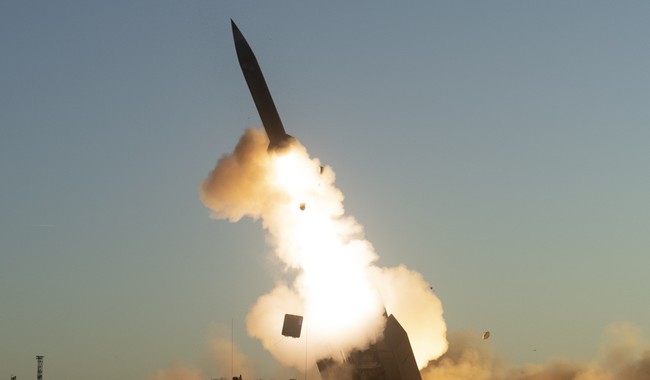
President Donald Trump warned that the United States is “locked and loaded” and prepared to use overwhelming force against Iran if Iranian leaders move to assassinate him, laying out a threat of “1000 Missiles” and “thousands more to immediately follow” in response to what he and others describe as escalating threats from Tehran and its supporters.
The president’s message came after reports surfaced that Iran might be plotting retaliation related to actions years earlier, and after public displays in Iran that included calls for vengeance. Trump framed his warning as a clear deterrent: the U.S. military has orders and a timeline for action should an attempt on his life occur. His tone was deliberate, combative, and intended to communicate resolve to both allies and adversaries.
In his social post the president wrote a single, sweeping declaration that names a scale, a timeframe, and a goal. Preserving the exact wording, he said: “1000 Missiles are Locked and Loaded and aimed at the Islamic Republic of Iran, with thousands of more to immediately follow, should the Iranian Government act on its threat, pronounced in many corners of the Globe, to assassinate, or attempt to assassinate, the sitting President of the United States of America, in this case, ME! Orders have already been given, and the U.S. Military is ready, willing, and able, for a one year period of time, subject to extension, to completely decimate and destroy all areas of Iran – PRAISE BE TO ALLAH! President DONALD J. TRUMP”
The context matters: Tehran has for decades used aggressive rhetoric and proxy operations, and recent public demonstrations at a high-profile funeral displayed banners and chants threatening the president. Those scenes have been seized upon by U.S. officials and supporters as proof that Iran remains willing to target American leaders and interests. From a national security perspective, the message from Washington is meant to cut off any temptation to act on those threats.
Alongside the blunt rhetoric, Trump pointed to a pattern of violence and leadership purges in the region as justification for America’s hard line. He emphasized that Iranian leadership has cycled through “leaders” who are then removed, implying Iran’s instability and their appetite for retaliation. The president made plain that he views himself as a primary target and that the United States will not hesitate to punish state-sponsored assassination attempts.
Supporters of the administration argue this is decisive leadership that abandons empty talk in favor of immediate deterrence. They say a credible, forceful posture is precisely what prevents conflicts from flaring into wider wars by convincing adversaries that the costs of aggression are unacceptable. Critics, meanwhile, worry about escalation, collateral damage, and the implications of promising such sweeping destruction.
Public displays in Iran included slogans that were explicit in their intent, and those images have hardened opinion in Washington. Whether or not Tehran can execute a sophisticated assassination on U.S. soil, planners in Washington treat any credible threat as a live contingency and prepare accordingly. The administration’s messaging signals both readiness to retaliate and a willingness to keep pressure on Iran’s behavior in the Gulf and beyond.
Trump’s language mixes military threat with psychological warfare, even invoking religion provocatively at the end of the declaration. That closing line was meant to sting and to mock Iran’s leadership while rallying domestic supporters who favor a tougher approach. The administration’s posture reflects a broader strategy: back decisive action with clear, public warnings to raise the political and military costs to any would-be attacker.
American policymakers who back the stance insist deterrence must be unmistakable to be effective, and they point to repeated attempts and plots against U.S. figures as evidence that softer responses have failed. They argue that containment through strength, not appeasement or ambiguity, protects American lives and safeguards international shipping and regional stability. From that viewpoint, striking hard when warranted prevents future bloodshed by making aggression too costly to consider.
Onlookers outside government continue to debate the prudence of promising massive retaliation, but inside the administration the focus is operational: prepare forces, plan options, and maintain a posture that makes the consequences of assassination or large-scale attacks immediate and devastating. That posture is designed to prevent escalation by deterring the initial act, while also signaling to allies that the U.S. will act decisively to defend its leadership and interests.
For now, the public exchange of threats has ratcheted up tensions, and U.S. forces remain on alert as intelligence assessments and diplomatic channels continue in parallel. The president’s message is simple and uncompromising: attempt to kill the U.S. president and the response will be massive, immediate, and sustained.
https://x.com/FoxNews/status/2075659021835714711


Add comment