
Checklist: summarize the incident and response; present direct statements and official CENTCOM text; describe the sequence of events and context; emphasize U.S. readiness and consequence; maintain quoted material exactly as provided.
President Donald Trump announced on Truth Social that Iran launched drones against commercial shipping, a clear breach of the ceasefire. That post set the tone for a rapid and forceful U.S. response, signaling a shift from talk to action. Commenters and officials quickly focused on the strike against the M/V Ever Lovely as the flashpoint that demanded a reply. The administration framed the operation as protecting global commerce and enforcing the agreement with Iran.
https://x.com/RapidResponse47/status/2070535863117750637
The Islamic Republic of Iran shot at least four One Way Attack Drones at Ships transversing the Strait of Hormuz. One of the Drones solidly hit the upper deck of a large and very expensive Cargo Carrying Ship. Damage was done, but the Ship was able to proceed on its way. We knocked down three other Drones. Obviously, this is a foolish violation of our Ceasefire Agreement.
Trump called them “foolish,” and that word carried weight because it came with implied consequences. When asked at a White House briefing what his response would be, he replied, “You’ll find out.” That short remark underscored a posture of deterrence: violations would no longer be met with mere condemnation. The administration made clear that words would be backed by tangible military action.
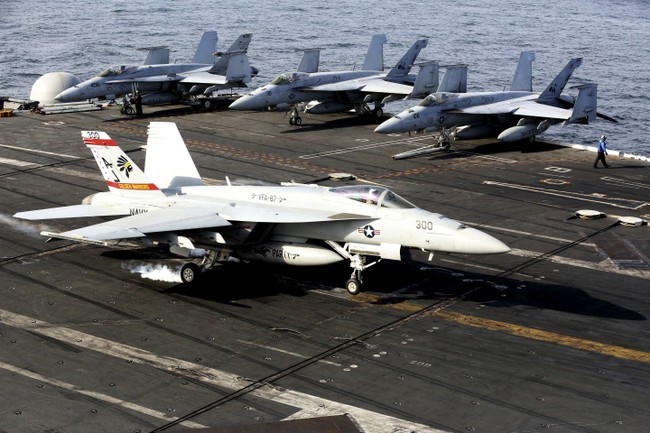
Soon after, U.S. Central Command announced strikes targeting Iranian missile and drone storage sites and coastal radar locations. These strikes were presented as proportional and limited, aimed at degrading the immediate capabilities that threatened merchant shipping. Officials stressed the strikes were a direct response to the attack on a Singapore-flagged cargo ship transiting near the Omani coast. The goal, they said, was to restore safety to a critical international trade corridor.
U.S. Central Command (CENTCOM) forces conducted strikes against Iran, June 26, as a powerful response to yesterday’s attack on a commercial ship that was transiting the Strait of Hormuz.
U.S. aircraft struck Iranian missile and drone storage locations and coastal radar sites after Iran hit M/V Ever Lovely on June 25 with a one-way attack drone. The Singapore-flagged cargo ship was exiting the Strait of Hormuz along the Omani coast at the time of Iran’s attack.
CENTCOM also framed the incident as a violation of the existing ceasefire that threatened freedom of navigation for civilian commerce. Their statement emphasized continued coordination and support to vessels transiting the strait, noting that U.S. forces remain present to ensure compliance. Military officials conveyed that the strikes were carefully chosen to minimize escalation while striking at the capability used in the attack. That balance was touted as the right approach to both deter further aggression and protect global trade.
Observers noted the clear pattern: Iran has repeatedly tested the boundaries of agreements and international norms, and this event was another example. The administration argued that previous presidents often relied on rhetoric without matching action, and that posture invited further Iranian adventurism. By contrast, the recent strikes were meant to create a new, unmistakable expectation that attacks on commercial shipping will trigger decisive responses.
Commercial shippers and allied nations are watching closely, because stability in the Strait of Hormuz matters to economies worldwide. The swift U.S. reaction was pitched as reassurance for those global partners that American power will be used to defend critical sea lanes. At the same time, officials emphasized restraint: these operations focused on degrading specific capacities rather than provoking broader conflict. The message intended was straightforward—aggression will be met with consequence, but measured to avoid needless escalation.
The political framing back home leaned into a theme of restored deterrence, with supporters praising decisive action as a return to credible policy. That view holds that strength at sea and clear enforcement of agreements reduce the chance of larger wars by making aggression costly and unattractive. Critics will argue about the risks of military strikes and the potential for retaliation, but supporters counter that unchecked provocations invite worse outcomes. For now, the administration is presenting the operation as both necessary and effective.
An important element remains oversight and continued vigilance: CENTCOM reiterated their mission to provide safe passage coordination and to ensure the agreement is obeyed. Naval escorts, surveillance, and targeted strikes together form a layered approach designed to protect commerce and deter future drone and missile attacks. The operational posture looks aimed at maintaining stability while compelling Iran to change its behavior through tangible consequences. The coming days will reveal whether that posture succeeds in restoring deterrence and safeguarding maritime traffic.


Add comment