
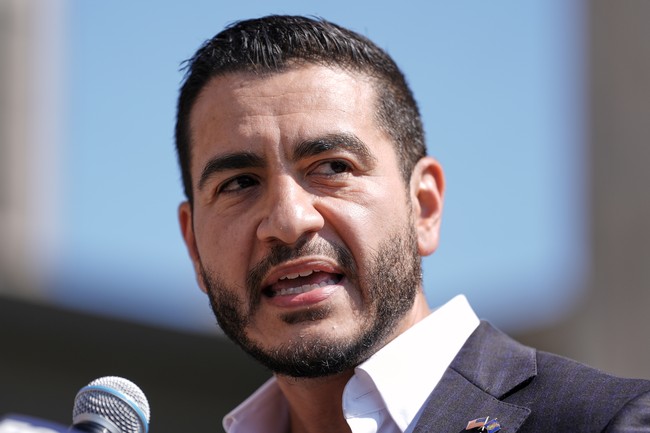
Checklist: Assess Begala’s critique of socialists; explain why Abdul El-Sayed faces a general election problem; highlight outreach failures to black and working-class voters; note reactions from allies and data analysts; contrast Republican candidate outreach. This article examines those points and their implications for the Michigan Senate race.
Paul Begala, once a Clinton adviser and now a CNN commentator, did not mince words about socialists on a recent panel. He argued that Abdul El-Sayed’s primary win was narrow and that his governing coalition is even narrower. From a Republican perspective, that kind of weakness in a swing state is a real opening. Voters in Michigan are not necessarily receptive to candidates who tilt too far left.
https://x.com/JasonJournoDC/status/2086478004960592209
“Abdul won a narrow victory,” Begala explained of El-Sayed’s primary win. “And more problematic for him, he has a narrow coalition.” Those direct words matter because they come from someone familiar with Democratic strategy. When a party insider signals vulnerability, opponents should take notice and press the advantage. This is not about cheerleading; it’s about identifying politically exploitable weaknesses.
Begala went further, saying of socialists, “I can’t stand them!” That blunt remark drew a laugh from the moderator, but it also underscored a larger truth: extreme labels can alienate the very constituencies progressive candidates claim to champion. Begala pointed to black voters and the working class as groups that are skeptical of socialist messaging. For Republicans, that skepticism is an opportunity to win over disaffected Democrats and independents.
Begala relayed a telling anecdote about El-Sayed’s campaign contact strategy. He said an “impressive” black leader in Michigan reported not being contacted by El-Sayed’s team, and Begala asked, “Like what are you doing?” That kind of basic outreach failure can cost votes that candidates often assume are secure. In a close race, missed connections with community influencers are as damaging as policy missteps.
Reactions from allies and surrogates have not helped El-Sayed’s image. When some Democrats suggested he needed to work harder with particular voter groups, Hasan Piker responded with vitriol, labeling critics “Islamophobic pieces of sh**.” That outburst doesn’t play well with moderate or undecided voters, and it gives opponents a clear line to attack. Voters who want civility and competence are likely to recoil at such language.
CNN data analyst Harry Enten added to the concern by reporting that El-Sayed is underperforming with black and working-class voters. That data echoes Begala’s assessment and turns an anecdote into a broader pattern. When both commentary and analytics point the same way, the political prognosis becomes harder to dismiss. For Republicans, those metrics suggest where to focus persuasion efforts.
If El-Sayed’s team continues to neglect outreach to the voters who decide close elections, his path to victory will shrink further. Extremist or fringe positions historically repel a percentage of the electorate across party lines, and Michigan is no exception. Republicans who actively court disaffected Democrats and independents can flip that small but crucial slice into a winning margin.
Mike Rogers, the Republican candidate in the race, has been making the kind of cross-partisan appeals that win in competitive states. Focused outreach and pragmatic messaging aimed at working-class voters and moderate Democrats are the sort of tactics Begala says are missing from El-Sayed’s approach. If Republicans keep pushing that successful model, they can exploit the contrast between practical campaigning and ideological posturing.
The bottom line for the Democratic side is clear: narrow primary coalitions and a lack of basic outreach are deadly in a general election that rewards persuasion and turnout. The public spats and defensive reactions from El-Sayed’s allies only underscore the campaign’s vulnerability. For Republicans, the strategy is straightforward—double down on outreach to the voters who matter and highlight the contrast in competence and appeal.

Add comment