
I’ll explain what the president notified Congress, why the 60-day clock matters, how the strikes began and escalated, what the White House says about ground forces and civilian risk, how the War Powers Act complicates things, and what political and strategic debates are likely to follow.
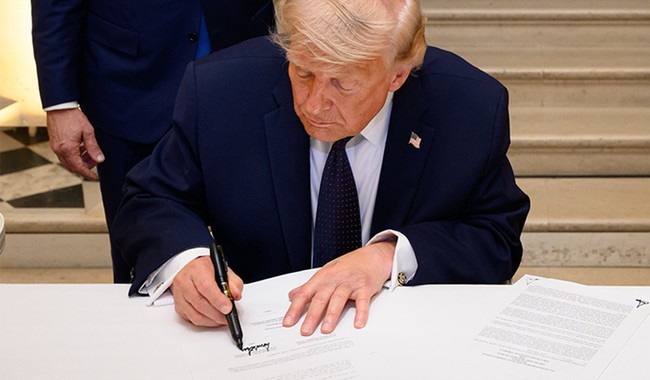
President Trump formally notified Congress that U.S. strikes on Iran have resumed and that a new 60-day period under the War Powers Act has begun. That notice does not seek a formal declaration of war, but it does invoke the statutory process that lets military operations continue for a set time without separate congressional authorization. This move frames the administration’s actions as aimed at protecting American lives and interests overseas.
The campaign of strikes picked up after repeated attacks on commercial shipping in the Strait of Hormuz, and the White House says those attacks required a measured response. According to the administration, the campaign kicked off recently and intensified quickly to deter further Iranian aggression against civilian vessels. The president described the operations as limited, planned, and designed to avoid civilian casualties.
In his letter to lawmakers, the president emphasized that U.S. ground forces are not involved, reinforcing a posture of stand-off strikes rather than a full-scale ground commitment. That distinction matters politically and legally because the War Powers Act specifically addresses the duration and limits of military deployments without congressional approval. Still, the statute allows forces to remain for 60 days with a possible 30-day extension before Congress must act if the president wants to continue.
Expect partisan fights over whether this is a new initiation of hostilities or a continuation of earlier operations that began months ago. Opponents in Congress argue the war clock already started with previous actions, claiming the administration cannot restart the timeline unilaterally. Supporters counter that fresh strikes, responding to renewed Iranian attacks, amount to a distinct set of operations that justify a new notification under the law.
https://x.com/AnthonyAdragna/status/2076722323479269723
The president publicly announced that the United States is reasserting control of the Strait of Hormuz and is reopening a blockade of Iranian ports, describing the U.S. role as a security guarantor for vital shipping lanes. He even joked about being the “Guardian Angel of the Strait” while pressing wealthy regional partners to reimburse the U.S. for the protection it provides. That posture blends hard military action with a push for burden-sharing among nations that benefit from safe maritime commerce.
Embedded in the public messaging were blunt lines aimed at Tehran and at critics at home, including an unfiltered characterization of Iran’s leadership. “To me, I think it’s over. I don’t want to deal with them anymore, but they’re scum,” the president said. You know what scum is? They’re scum, they’re sick people, and they’re led by sick people, and they’re vicious, violent people.
Part of the administration’s legal argument rests on presidential Article II authority as commander in chief, a claim many conservatives have long defended against what they view as an unconstitutional curtailing of executive war powers. The War Powers Act passed in 1973 over a veto and remains controversial; some legal scholars and former presidents argued it infringes on the president’s constitutional authority. That tension sets the stage for a likely institutional showdown if Congress moves to restrict or authorize further action.
Politically, this is a high-stakes moment with implications for elections, regional stability, and alliances. Republicans supportive of decisive action will frame the notification as responsible leadership that protects trade routes and deters terror-sponsoring regimes. Democrats and other critics will press for hearings, debate, and possible resolutions aimed at constraining the administration’s timeline and forcing a formal legislative vote.
On the operational side, the administration insists its objectives are limited: protect commercial vessels, degrade Iranian capacity to threaten ships, and restore safe passage in a key global chokepoint. That limited framing is meant to reassure allies and markets while signaling to Tehran that aggression carries consequences. How Tehran responds, and whether other states pick sides or push for de-escalation, will shape the next phase of this confrontation.
The next 60 days are therefore a test of both American resolve and international diplomacy, with Congress hovering in the background as the constitutional check. If the administration seeks to extend beyond the statutory timeframe, it will either need congressional buy-in or face mounting legal and political pressure. For now, the White House is using the War Powers notification as its ticket to keep striking while presenting the operations as narrow, deliberate, and aimed at protecting Americans and global commerce.


Add comment