
The article examines the clash between immigration enforcers and left-leaning city leaders, focusing on Tom Homan’s forceful response to Chicago Mayor Brandon Johnson’s appeal to international bodies and New York City Mayor-elect Zohran Mamdani’s comments about ICE accountability.
The Trump administration’s border policies and stepped-up interior enforcement are central to the dispute, with officials saying recent months show dramatic progress at the southern border. Those actions fuel a national debate over sanctuary cities and the role of federal immigration enforcement inside municipal limits. City leaders who resist ICE operations argue for local protections, while federal officials insist on enforcing immigration laws to boost public safety.
Chicago’s mayor publicly asked for international attention, framing federal immigration enforcement as a human rights concern and urging external oversight. That request drew immediate and sharp criticism from immigration officials who see such appeals as political theater that undermines domestic law enforcement. The exchange highlights a growing rift between federal priorities and some municipal approaches to immigration.
Chicago Mayor Brandon Johnson: The federal governments immigration enforcement has been marked by violence and an assault on the dignity of all Chicagans. I call on this council to hold the federal government of the United States to the same standards of accountiblity you apply elsewhere in the world. No country should be above international law. I urge the Human Right Council to consider additional measures, incuding a special session to examine the worsening human rights crisis in the United States.
The language in that statement raised eyebrows among federal officials who viewed it as an attempt to internationalize a domestic law-enforcement issue. Critics said the mayor’s stance mischaracterizes the role of ICE and overlooks the agency’s mandate to remove dangerous criminal aliens. Supporters of enforcement argue that local pushback can create safe havens for criminals at the expense of law-abiding residents.
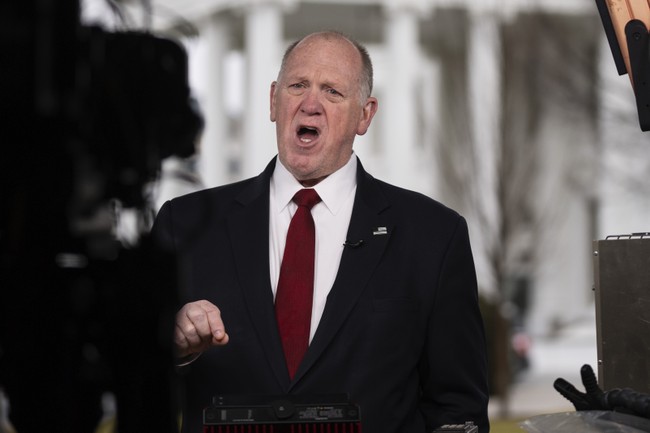
Tom Homan, a high-profile ICE figure, responded bluntly to the Chicago request and to the broader resistance from sanctuary-city politicians. Homan framed the debate in stark terms: either mayors cooperate with federal enforcement or the federal government will act without their help. His remarks were designed to underscore federal resolve and to cast local officials who resist as unwilling partners in keeping communities safe.
“He’s just proving he’s not that smart, right?” Tom Homan is all of us. New York City Mayor-elect Zohran Mamdani didn’t escape the Homan wrath either after his threat to ICE agents working in the city.
NYC Mayor-Elect Mamdani: I say this to ICE agents and to everyone across this city, is that everyone will be held to the same standard of the law. If you violate the law you must be held accountable. And, there is sadly, a sense that is growing across this country that certain people are allowed to violate that law whether they be the President of the agents themselves.
Mamdani’s comments asserted that no one should be above the law, but federal officials interpreted his remarks as a warning to agents rather than a commitment to cooperate on enforcement. That tension plays out in daily operations, where ICE agents report growing hostility and a sharp spike in assaults in some jurisdictions. The dramatic rise in attacks on officers has been cited by enforcement advocates as evidence that sanctuary policies can embolden criminal behavior toward federal personnel.
Homan also pointed to prosecution numbers and broader enforcement plans as proof the federal government intends to sustain pressure on sanctuary cities. He referenced a major hiring push and repeated that federal agents will continue making arrests regardless of local political objections. The message to mayors was clear: resistance will not stop ICE from doing its job, and federal resources will be brought to bear to ensure enforcement continues.
Homan: We are going to continue to prosecute. Mamdani needs to take a look at what happened in Chicago. Mayor Johnson pushed back, he’s not helpful. Guess what? We are arresting thousands of people in Chicago every week…All these mayors who don’t want their communities safer, they can scream and yell and protest all they want, we’re going to be out there tomorrow and the next day…We’re hiring 10,000 new officers, they’ll be flodding the zone of sanctuary cities…We’re going to make New York City safer again, with or without him, we’d like his partnership, but if he wants to stand by and let us do his job for him, that’s what we’ll do.
The clash between federal and local leaders is more than rhetoric; it shapes where and how enforcement actions occur and who bears the political fallout. For federal officials, steady enforcement and arrests are tangible metrics of progress, while city leaders emphasize community trust and protection from federal overreach. The standoff raises practical questions about coordination, public safety, and the legal boundaries of local resistance to federal law enforcement.
As the debate continues, the political stakes remain high on both sides. Local officials worry about immigrant communities’ safety and civil rights, while federal authorities argue that criminal aliens threaten public security and must be removed. The unfolding confrontation will influence policy, policing, and public perceptions in major cities across the country.


Go Get Em’ Tom and under Constitutional Tenets of Law woven into the fabric of America make them all pay for their Sedition, Conspiracy, Treachery and Treason! They’re wanted in GITMO as hell screams their names!