
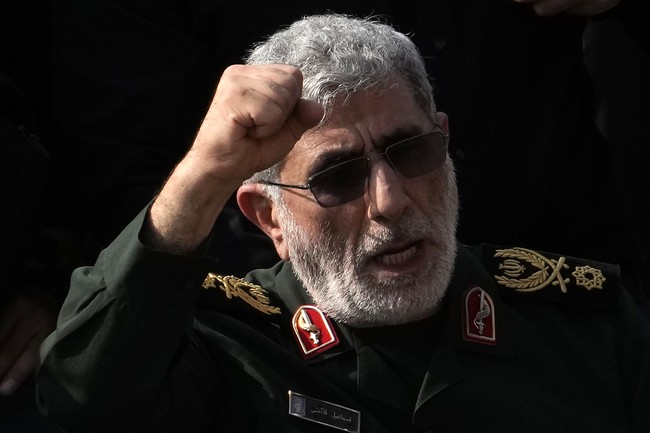
Is Iran the Lurking Presence Behind American Campus Protests?
This piece examines recent claims from university leaders that Iran may have played a role in fueling pro-Hamas, anti-Israel protests on U.S. campuses, looks at the pattern of coordination described by chancellors, considers border and immigration concerns tied to potential foreign actors, and argues why these allegations matter for campus safety and national security.
University leaders across the country are sounding an alarm that goes beyond campus politics. Syracuse University’s chancellor said he believes demonstrations seen on his campus and others were encouraged from abroad, and that many protesters were not students. When multiple campus leaders raise the same concern, it forces a national conversation about influence operations and who is really pulling the strings.
These are not casual remarks. The chancellors described similarities in messaging and tactics that suggest a coordinated playbook, not spontaneous student uprisings. Coordination on that scale raises questions about external direction, funding, and training, which are precisely the tools Iran has used in the region for decades. If true, the problem shifts from campus policy to national security response.
The chancellor of Syracuse University revealed his belief that pro-Hamas, anti-Israel protests were encouraged and potentially orchestrated by Iran while speaking on a panel this week in Washington, D.C.
Chancellor Kent Syverud spoke on a panel Tuesday alongside the chancellors from Vanderbilt and Washington University in St. Louis and described the protest activity that took place on his college campus as well as other universities across the country.
“When things happened that I really believe were encouraged from Iran,” Syverud explained to the audience. “[The protests] did not have the involvement of very many, if any, of our own students.”
Vanderbilt and Washington University officials echoed similar observations about a repeated playbook. They pointed to messaging recycled across campuses and to organized networks that supply tactics and manpower rather than mere social contagion. That pattern fits a scenario where outside actors disseminate a script and local activists execute it, whether knowingly or not.
Chancellor Daniel Diermeier of Vanderbilt, in Nashville, also pointed out clear coordination and the “playbook” for protests were backed by “organized networks” that could have motivated or directed students and agitators to demonstrate and disrupt campus.
“[Students] were looking at [and] were using the playbook that they had seen at Columbia and other places, and it was the same messaging. It’s more than social contagion,” Diermeier explained. “I think there are organized networks as well. And for sure we saw that.”
Washington University Chancellor Andrew D. Martin nodded in agreement.
We should treat these assessments seriously even while investigations continue. University administrators monitor their campuses and their claims deserve scrutiny, not dismissal. If external states are exploiting campus unrest, identifying channels of influence becomes crucial to protecting students and preserving free speech that is genuinely grassroots.
Historical behavior matters. Iran has long favored indirect methods: supplying weapons, logistics, and training to proxies rather than confronting superior military power head-on. Those same techniques translate into influence operations where funding, direction, or training can come from overseas while the unrest looks domestic on the surface. That makes detection and attribution harder but not impossible.
Border security and immigration policy are part of this picture. Officials have noted arrests of Iranian nationals in the U.S., and critics argue that lax enforcement in recent years increased the chance that bad actors could enter and remain. Understanding who is in the country, and what networks they connect to, is central to assessing whether foreign regimes are exploiting gaps to project power here.
Colleges like Columbia have seen prolonged occupations, arrests, and expulsions related to these protests. Those responses demonstrate that campuses can enforce discipline, but they do not answer who is organizing, funding, or training the most disruptive elements. If outside actors are involved, campuses need law enforcement and intelligence partners who can follow leads beyond university grounds.
The stakes extend beyond property damage and classroom disruption. Attacks on Jewish students and other targeted harassment raise civil rights and safety concerns that demand an urgent, coordinated response. If foreign-backed networks are part of the problem, responding with only campus-level sanctions is insufficient.
Any approach has to balance civil liberties with security. Investigations must avoid guilt by association while still pursuing clear evidence of foreign direction. Policymakers should be ready to act on credible findings with proportionate measures that protect students, uphold the law, and deter future foreign meddling.
At minimum, universities should improve transparency about the origins of disruptive campaigns and expand cooperation with federal authorities when signs point outward. Congress and state governments can push for better information sharing and clearer protocols so campuses are not left alone when complex, potentially international actors are involved.
For now, the claims from top campus officials deserve full investigation. Whether these protests were driven by social media contagion, domestic agitators, or foreign encouragement, the answer will shape how universities, law enforcement, and policymakers respond to future unrest.

Wipe-Out the Ayatollah and all of his mullahs!