
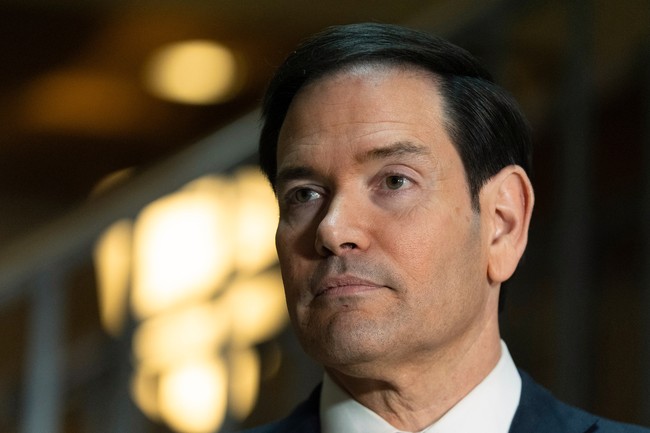
Marco Rubio’s recent trip to India focused on practical priorities: trade that creates American jobs, energy deals that reduce dependence on unreliable suppliers, defense cooperation to keep sea lanes open, and diplomacy that uses leverage instead of rhetoric. He met with Indian leaders, participated in Quad discussions, and balanced those visits with high-stakes negotiations elsewhere, showing a pragmatic, results-driven approach to U.S. interests. The trip showcased a clear preference for realism over idealism and a willingness to partner where mutual benefits exist.
Rubio’s discussions in New Delhi targeted concrete outcomes rather than speeches. Trade, energy, defense, and maritime security topped the agenda, reflecting priorities that matter to American workers and national security. Emphasizing mutual gains, he pushed for deals that would expand U.S. exports while strengthening strategic ties in the Indo-Pacific. That kind of focused diplomacy rewards productive partners and delivers measurable benefits at home.
Relations between Washington and New Delhi have had their share of bumps, from tariff disagreements to policy differences on global issues. Yet Rubio framed India as a strategic counterweight in the Indo-Pacific and a crucial market for U.S. goods. Pursuing a bilateral trade agreement and broader economic cooperation makes sense: it bolsters American manufacturing, creates jobs, and reduces reliance on adversaries for key supplies. This is foreign policy with an economic backbone.
The Quad meetings in New Delhi were a significant part of the trip, and Rubio’s presence reinforced U.S. commitment to a free and open Indo-Pacific. The U.S., India, Japan, and Australia coordinate where urgency and clarity beat bloated multilateralism. Quad cooperation lets competent partners move fast on shared security and economic goals without sacrificing national sovereignty. That model suits American interests and respects allied autonomy.
Rubio’s schedule illustrated the heavy diplomatic load he carries, juggling India meetings with other global crises. While touring Jaipur’s Amber Fort, he stayed in constant contact with negotiators working to end the recent conflict with Iran, showing how modern diplomacy mixes visibility with nonstop back-channel work. He told reporters a deal might appear “today,” underlining that U.S. bargaining positions aim to secure reopening of the Strait of Hormuz and the surrender of enriched uranium. That sort of stick-and-carrot negotiating signals seriousness to partners and adversaries alike.
Keeping so many plates spinning demands stamina and discipline, and Rubio showed both in India. He managed high-profile public visits while sustaining intense, private negotiations, a balance that seasoned diplomats learn quickly. His approach treats alliances as reciprocal arrangements where allies pull their weight and the U.S. asserts its interests. That posture creates leverage to achieve concrete results instead of exchanging promises that evaporate.
Serious question as Sec. of State Marco Rubio wraps his first official visit to India:
India just raised concerns with Rubio over recent H-1B, F-1, and J-1 visa reforms … pushing to protect open access for skilled workers.
Why would any nation want its “best and brightest” engineers, scientists, and innovators to keep leaving for America?
Visa policy and skilled-worker mobility are legitimate points of discussion, and Rubio met those concerns directly without backing down on America’s priorities. The U.S. benefits when talent circulates, but policy must also protect American workers and ensure reciprocity. Trade talks addressed tariff frictions and market access while exploring large purchases of U.S. energy and other exports. Those purchases can create manufacturing jobs and support domestic supply chains, which is the bottom line for voters.
Defense cooperation and maritime security featured prominently in the agenda, reflecting shared interests in deterring coercion and protecting commerce. India’s willingness to invest in its own defense capabilities and to coordinate on regional security complements U.S. efforts to maintain stability. Together, these partnerships help keep critical sea lanes open and reassure smaller states facing pressure. That kind of practical alignment strengthens deterrence without ideological posturing.
The trip also highlighted a contrast with past approaches that sometimes elevated abstract values over national interest. Rubio’s visits avoided moralizing lectures and instead prioritized bargaining, site visits, and targeted talks. India’s own insistence on pursuing national interest first mirrors a pragmatic America First sensibility in action. Mutual respect for that realism makes cooperation easier and more durable.
Work remains. Negotiations take time, and strategic competition is messy and persistent. Trade deals require patience and tough bargaining, and no agreement will erase all differences overnight. But steady engagement, backed by leverage and clear priorities, tends to produce better outcomes than vacuous rhetoric. Rubio’s trip demonstrated how disciplined diplomacy can advance U.S. jobs, security, and influence through real partnerships.
In short, Rubio’s India visit was less about grand statements and more about building practical ties that pay dividends for American workers and national defense. He showed that diplomacy grounded in American interests, persistent follow-through, and mutual respect gets things done. That approach should be the rule, not the exception, in Washington’s dealings abroad.


Add comment