
Checklist: Summarize tensions between Biden and Obama; describe reported silence and missed calls; relay anecdotes about Obama upstaging Biden and Clooney’s role; explain Harris’s reluctance and push for a quick endorsement; include direct quotes from Jonathan Karl’s reporting and other sourced statements.
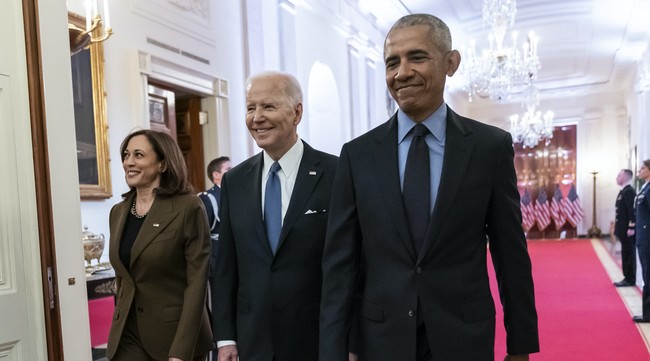
New reporting paints the “best friends” image between Joe Biden and Barack Obama as more image than reality. Behind the public smiles and bracelet props were long stretches of silence and awkward distance, according to excerpts from a recent account. The narrative now circulating suggests those private gaps mattered when the race got serious. That shift in tone matters because it rewrites how close allies behaved at a crucial moment.
Sources say Obama tried to reach Biden repeatedly in the days around Biden’s decision to leave the race, but the calls went unanswered. The timing is the key detail: those missed contacts came in the final 48 hours before Biden announced he was suspending his campaign. For a former president who has been a steady Democratic voice, the lack of a timely conversation looks notable and odd.
Jonathan Karl’s excerpt describes Obama making several calls that weren’t returned, and then waiting almost a month before the two men spoke again. That delay created an impression of distance at a moment when quick coordination would be expected. It also feeds the idea that the public display of camaraderie never matched what was happening behind closed doors.
“Obama had been trying to get in touch with Biden for about two weeks, but his calls had not been returned,” ABC News chief Washington correspondent Jonathan Karl writes in an excerpt from his upcoming book “Retribution: Donald Trump and the Campaign That Changed America” that was published by the Dispatch on Friday and detailed the 48 hours before Biden announced he was leaving the race.
“Obama reached out again after Biden suspended his campaign, but the two men would not end up speaking until shortly before the Democratic National Convention four weeks later.”
People close to the situation say George Clooney’s public letter accelerated the pressure for Biden to step aside, and because of Clooney’s ties to Obama the move looked very much like a coordinated push. When influential figures publicly call for change, it forces a response that can look like the work of broader networks rather than isolated critics. That dynamic makes it easier to see how the narrative shifted from private doubts to public action.
Another recurring complaint was how Obama’s visits to the White House reportedly made Biden feel sidelined. Staffers described scenes where the former president behaved as though he still called the shots, leaving the sitting president feeling secondary. Those kinds of moments create tensions that don’t always show up in polished photo ops.
“Obama caused tension when he would visit the White House because he operated as if he still ran it,” a Biden White House official told The Post.
“He made Biden feel secondary in the room even when staffers were present.”
Karl’s reporting also notes Biden ignored calls from other senior Democrats at sensitive moments, and that raised questions about who he trusted and who he would listen to. That pattern of silence extended beyond former presidents to congressional leaders, illustrating a broader breakdown in the usual channels. When a candidate pulls inward at crunch time, it feeds speculation and fuels strategic shifts around them.
Kamala Harris’s role in all this is complicated, according to the same reporting. She reportedly avoided calling lawmakers right after a damaging debate because she feared the calls might be spun as an early grab for the nomination. That reluctance looks defensive and tone-deaf to many observers, since not making those outreach efforts can look like a lack of support when unity matters most.
“Calls to lawmakers, Harris believed, could be misinterpreted as the early stages of an effort to secure the nomination for herself. If she called Democratic members, those members could later disclose that they had spoken to her and misrepresent the purpose of the call.”
When Biden ultimately decided to withdraw, Harris pressed for a swift endorsement to prevent a messy fight over succession, arguing time was of the essence. The push made clear she feared a competitive scramble that could produce a stronger rival. That insistence reads as the classic insider move to lock down advantage and limit surprises.
These newly detailed moments add up to a picture of a party making ungraceful calculations in public and private. Personal slights, missed calls, and fear of being perceived as selfish shaped choices that then shaped the race. The result is a lesson in how political loyalty and media narratives interact at the highest levels, often with outcomes that surprise the public and frustrate allies.

Add comment