
The Minneapolis mayoral contest revealed deep fractures in immigrant political behavior, showing how clan loyalty, not shared civic identity, shaped voting in a city where Somali communities are influential; this piece examines how identity politics, failed assimilation, and organized clan structures intersected to influence the result and what that means for local governance and national politics.
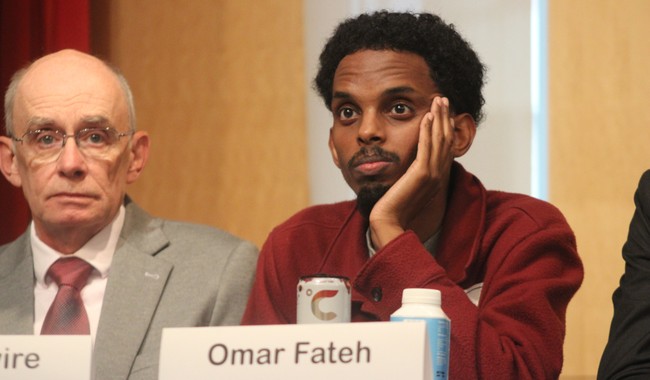
We’re Doomed. Omar Fateh Lost the Minneapolis Mayor’s Race Because He Lost the Loyalty of Somali Clans
For decades America framed assimilation as the path to civic cohesion, turning newcomers into citizens who put the nation first. That approach weakened as multicultural policies and identity-driven agendas encouraged people to preserve foreign loyalties, and those shifts now show up in local elections.
The shift from a “melting pot” to a “salad bowl” has had real political consequences in some communities that maintain strong clan or tribal ties. Where clan systems persist, local politics can mirror foreign rivalries, producing factionalism that does not align with broader civic interests or American norms.
Minneapolis offered a stark example when Omar Fateh, a candidate backed by progressive networks, failed to consolidate support among the city’s Somali voters. The expected solidarity did not materialize because voters aligned along clan lines rather than a simple ethnic bloc, and that split helped hand victory to the incumbent.
Campaigns that treat ethnic communities as single, monolithic voting blocs miss the nuances of internal divisions and loyalties. In Minneapolis the Daarood and Hawiye clan split mattered politically: endorsements, social media campaigns, and grassroots organizing followed those lines, and the result was a fractured electorate.
Politicians who assume identity politics will be straightforward risk misreading local dynamics, especially when foreign loyalties override civic commitment. The Somali case in Minneapolis shows how imported systems of allegiance can override assimilation and transform how communities interact with municipal politics.
Public statements from prominent figures added fuel to the narrative that some community leaders prioritize ties to their homeland over American civic life. Those comments, repeated verbatim in public forums, underscored the perception that certain organizers were appealing to a non-American identity when they should have been building civic unity.
High-profile endorsements were part of the story, but endorsements alone could not bridge the clan divide. Campaign rallies and public appeals attempted to stitch the community together, yet the grassroots realities on the ground proved more complex and entrenched.
In the following clip, Ilhan Omar is standing on stage at a political rally for Omar Fateh – another Marxist Muslim running to seize control of Minneapolis.
In this telling speech, she tries to unite the warring Somali clans we’ve imported into our country — yes, that’s right — we have imported foreign wars onto American soil, and those same factions have now seized political offices in the United States.
Omar’s words are not about America. They are about Somalia.
She reminds the crowd exactly who they are here to represent — not this nation, but their homeland.
“We only live in this country as Somalis,” she declares.
“Anyone who sees us on the street knows immediately that we are Somalis.”
That is the line. That is the confession.
They are not here to assimilate; they are here to organize, consolidate power, and represent Somalia from within the American system.
This is not immigration.
This is imported tribal politics, foreign allegiance, and ideological colonization wrapped in the language of “community.”
Omar is not celebrating diversity – she’s commanding loyalty to a foreign identity. And she’s doing it on American soil, under the banner of elected office.
Social media activity after the election highlighted the split. One faction celebrated and livestreamed victory scenes while another cohort expressed anger and accused rival networks of undermining unity with divisive tactics. Those online dynamics tracked directly with clan affiliations.
Reporting and community accounts indicate the Somali population in Minneapolis is substantial and growing, with thousands who speak Somali at home and well-established clan organizations. Those committees often manage mutual aid, funerals, and charity for relatives abroad, reinforcing a parallel social structure that can be mobilized politically.
Back to the question of whether people still continue to practice the clan system in the West. In Minnesota my elder cousins are all in clan committees. The clans are very organized and operate almost like life insurance. People are divided into small groups. They hold meetings at an elder clan member’s home who is trusted and has the best interest of the clan at heart. This person is responsible for informing clan members what is happening and collecting money for the benefit of the clan. Sometimes there will be a major thing happening where there is a death in a family and funeral expenses are needed. Other reasons for collecting money can be the famine where the collection of money is ongoing for a longer period. Other times money is collected on a regular basis to support schools, hospitals and orphan care in the region where the clan is from.
Those organized clan structures can be a lifeline for members, but they also create a secondary authority that competes with civic institutions. When political allegiance travels along those networks, it complicates efforts to build a unified, accountable electorate responsive to municipal governance.
Some observers suggest the clan rivalry could reshape upcoming primaries and even open openings for challengers who understand and strategically engage with these local loyalties. Others worry it will continue to fragment political coalitions and entrench parochial interests in city hall and beyond.
Importing and tolerating foreign systems of political organization within American elections poses a broader civic challenge. If local politics become forums for clan-based power plays, the focus shifts from effective governance and public safety to managing factional grievances and reciprocal favors.


Add comment