
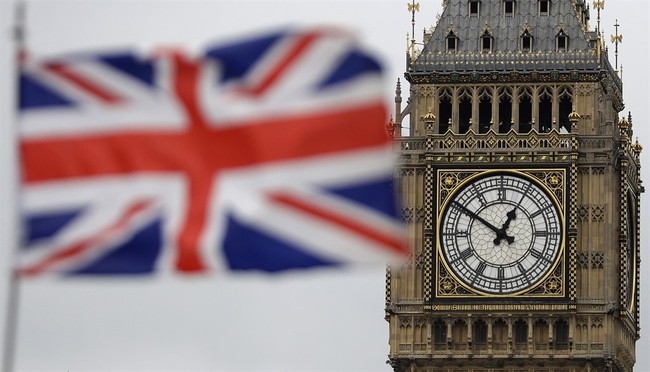
London saw two opposing demonstrations on the same day: a large “Unite the Kingdom” rally focused on national identity and a smaller pro-Palestinian march marking Nakba Day, while New York hosted its own pro-Palestinian protest the day before; tensions, arrests, and political fallout followed as critics and supporters traded accusations about the direction of politics at home and abroad.
Central London filled with people carrying national flags and chanting slogans that made their political aims clear. Organizers and participants framed their gathering as a defense of British identity and a response to what they see as government neglect. Estimates of the crowd varied widely, but observers agreed it was a major turnout and a visible expression of public frustration.
Crowds carrying St. George’s Cross and Union flags marched through central London chanting “we want Starmer out” and “Christ is King.” Some wore red “Make England Great Again” hats, echoing President Trump’s Make America Great Again movement. People cited a range of reasons for attending, but many described feeling ignored by the government and alarmed by the direction of the country.
Political ripples were immediate as commentators tied the protest energy to recent election losses for the ruling party. Critics argue the leadership failed to heed voter concerns on cost of living and national culture, giving opponents a potent narrative. Supporters of the leadership counter that the rhetoric from some marchers crossed into divisive territory, and the debate over that boundary intensified after the events.
Prime Minister Keir Starmer publicly condemned elements associated with the rally and refused to attend, accusing organizers of “peddling hate and division.” That stance did not stop calls from within his own ranks for accountability after poor local election results. The pressure mounted as some members pushed for a change of leadership, citing the party’s weakened standing with voters.
A substantial number of Labour MPs reportedly urged a leadership rethink, and several cabinet members resigned in an attempt to force a response. The resignations signaled a rare moment of internal revolt that added to the government’s instability. Observers noted how street-level activism and formal political maneuvers fed off each other during this tense period.
At the same time in London, a pro-Palestinian march marked Nakba Day with a smaller turnout and a different message. Organizers aimed to spotlight Palestinian displacement and call for international attention to their cause. The contrast between the two demonstrations underscored how London public spaces have become contested arenas for competing identities and historical narratives.
Police reported a number of arrests connected to the day’s events, reflecting the difficulties of policing large and emotionally charged gatherings. Officials said 31 people were detained across the separate marches, a figure that captured both crowd-control challenges and the potential for clashes. Local authorities emphasized their intent to allow lawful protest while preventing violence.
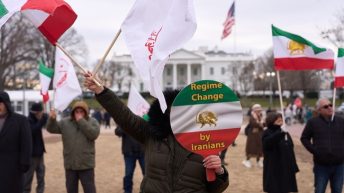
The previous day in New York City, activists also gathered in a pro-Palestinian march that drew several hundred participants. Demonstrators carried signs with provocative slogans and some symbols that alarmed observers, especially given timely security concerns. The presence of flags and masked individuals at certain moments fueled debates about the line between protest and endorsement of militant causes.
Law enforcement and federal authorities were already on alert after unrelated investigations raised concerns about plots targeting Jewish institutions, heightening sensitivity to imagery and rhetoric at demonstrations. That context made the appearance of certain flags particularly troubling for many residents and officials. Community leaders called for calm and for clear separation between legitimate protest and support for violence.
The recent spate of protests in both London and New York highlighted how public demonstrations can spotlight wider political fissures. Some participants see the streets as the last available platform to be heard, while others worry those platforms increasingly serve to amplify extreme views. The back-and-forth between grassroots energy and political consequence is shaping a turbulent moment for leaders and citizens alike.
As authorities process the arrests and as political parties assess electoral damage, activists are already planning follow-up events and legal responses. Media coverage and social chatter ensured the demonstrations stayed in the spotlight, and politicians on all sides responded with statements aimed at their bases. The events left communities debating the balance between free expression, public order, and the kind of politics they want moving forward.
Add comment