
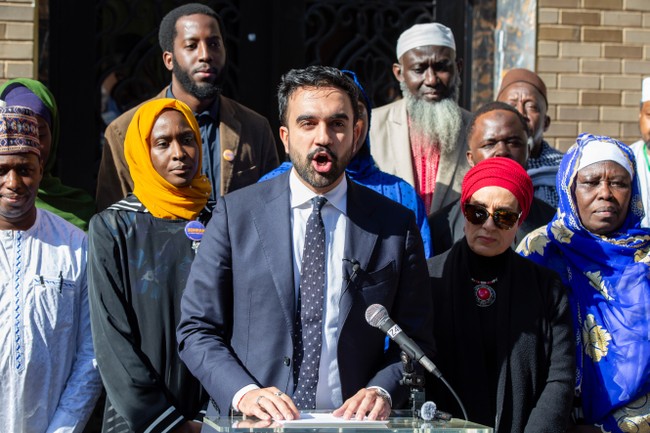
I’ll explain why Zohran Mamdani’s gender-affirming care proposal looks like a political balancing act, show how critics link it to authoritarian practices abroad, outline concerns about taxpayer-funded care for minors, and examine the alliances and incentives shaping his stance.
Zohran Mamdani’s plan for expanded gender-affirming care in New York is being sold as a progressive win, but it raises real questions about motives and consequences. Critics argue the policy could placate very different constituencies at once, and that suspicious alignments matter when a mayor-elect promises taxpayer-funded interventions. This debate isn’t abstract; it touches on how the city might handle medical decisions for minors and what incentives public funding creates.
This is such a good point that this writer is mad she didn’t connect the dots first. She has, however, written several articles about Zohran Mamdani and his troubling anti-gay ties. This includes a relationship with Ugandan politician Rebecca Kadaga, who supported legislation that would imprison gays for life; Imam Siraj Wahhaj, who called gays the “disease of society” and spoke with violent anti-gay rhetoric; and Mamdani’s own father, who waged a war against a gay Ugandan college professor.
Mamdani has a pro-trans agenda and vows that Americans, including children, will be able to come to New York City for “gender-affirming care” on the taxpayer’s dime.
At the core of the criticism is an idea that shouldn’t be shrugged off: when a politician needs votes from conflicting blocs, policy can become a cover. Mamdani has supporters who demand strong cultural or religious stances, and he also needs the woke progressive base that applauds expanded medical access. When those groups want opposite outcomes, a politician can try to thread a needle that ultimately pleases neither principled critic.
But writer Ben Appel, who also happens to be gay, made a point that Mamdani’s plan echoes the anti-gay policies of totalitarian theocracies like Iran.
Comparisons to the Iran model have been invoked by several commentators, and whether the analogy fits perfectly is less important than the warning it represents. The concern is that medical routes can be manipulated to erase or reclassify identities in ways that authoritarian actors favor. Using public funds to facilitate irreversible interventions on minors is especially controversial and politically combustible.
Another key worry is the source of support that helped Mamdani rise. Backers with different agendas can exert influence, and donations or endorsements often come with expectations. If community groups that funded a campaign see potential long-term cultural benefits from policy shifts, that creates an incentive to press for specific outcomes once their candidate holds power.
Some of the fiercest objections focus on children. Opponents argue that minors lack the legal autonomy to make life-altering medical choices and that public funding lowers the barrier to drastic interventions. Even supporters of expanded care tend to accept more conservative guardrails for young people, but the proposal as described by critics reads as broad and permissive, which alarms parents and fiscal conservatives alike.
Policy design matters, and vague promises fuel suspicion. If a city offers to pay for complex procedures without clear age limits, medical oversight, and parental involvement standards, it’s easy to imagine poor outcomes and legal fights. Those outcomes could haunt a mayor’s office and the city budget for years, while also deepening cultural divides rather than healing them.
Finally, political optics matter as much as policy details. When a public official appears to be aligning with fringe figures or foreign analogies enter the debate, opponents will seize the narrative and frame it as evidence of bad intent. In an era of hyperbole, that framing can shape public opinion quickly and hard, especially when the issue involves children and medical ethics.
New York faces a choice about how it balances compassion, parental rights, religious pluralism, and fiscal responsibility. Voters and watchdogs will press for specifics, and they should demand transparent rules that protect minors and taxpayers while making clear who decides what care is appropriate. The conversation happening now will set precedents beyond city hall, and the stakes are plain.



Add comment