
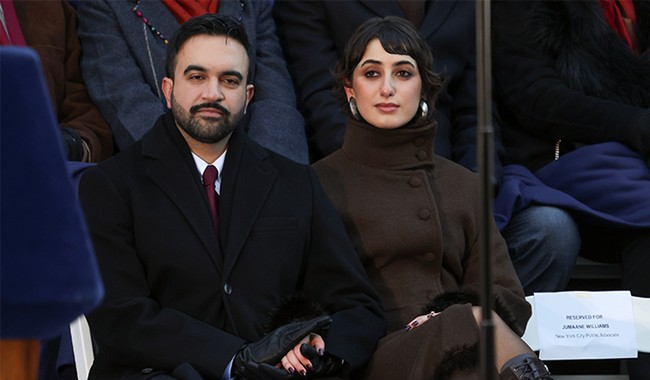
Zohran Mamdani’s office said the NYPD recommended sending a security detail with his wife, Rama Duwaji, for a personal trip to Syria and Lebanon, but the department quickly denied it would send officers to volatile foreign countries for discretionary reasons. The back-and-forth exposed an awkward contradiction between Mamdani’s past calls to shrink the police and his apparent request to have police protect his family abroad. Critics seized on the story as proof that the mayor’s private-citizen defense for his wife doesn’t hold up when convenience calls for official protection.
The mayor’s office originally claimed the NYPD had “strongly recommended” an escort for Duwaji as she planned travel starting September 20 to visit family in Syria and Lebanon. City Hall framed the detail as a safety step, saying it followed a previous trip where she traveled without police protection. That account spread quickly and raised eyebrows given the instability of the destinations involved.
Once the story hit the public, the NYPD moved to correct the record and shut down the narrative. A department spokesperson made it clear the NYPD “does not send officers to countries with level four travel advisories for discretionary reasons not linked to investigative work.” That was a forceful rejection that left City Hall looking like it had overstated or misrepresented the department’s role.
People across the city reacted with frustration and disbelief. “We’re putting the police officers in danger. They will be viewed as the bad guys. These are war zones,” one critic said, capturing the raw practical concern many had about sending officers into active conflict areas. The idea of deploying New York police to regions dominated by groups hostile to the United States struck many as both unnecessary and reckless.
The episode highlights a sharp political contradiction. Mamdani campaigned on limiting and defunding the police, yet the request for an NYPD detail for a private trip signals a different expectation when it comes to his family’s security. Voters noticing that dissonance see a leader asking for special treatment from an institution he often criticized in public.
https://x.com/nypost/status/2087165673428353390
Questions about Duwaji’s status as a private citizen also resurfaced. The mayor has repeatedly described her as playing no official role and having little to do with city governance, but reporting has suggested she acted as a close adviser during his run. If she influences messaging, strategy, or campaign visuals, then the claim that she is purely private becomes hard to square with seeking official protection tied to the mayor’s office.
There’s also the matter of optics and precedent. Allowing an NYPD detail on a discretionary international trip for the mayoral spouse would set a new standard, one that could invite similar requests while stretching resources and exposing officers to danger abroad. Opponents argue the city should be careful about treating political leaders and their families differently from ordinary citizens when it comes to taxpayer-funded protection.
Beyond optics, the story touched on deeper concerns about accountability and transparency at City Hall. When official statements conflict, the public is left guessing which account is accurate and why the miscommunication happened in the first place. For a mayor who promises radical changes to law enforcement and city services, credibility matters, and this incident didn’t help Mamdani’s standing with skeptics.
Many New Yorkers saw this as another example of entitlement from political elites who demand protections on one hand while pushing policies that reduce resources for those same personnel. The contrast between rhetoric and personal requests fuels distrust and gives critics an easy target: promises versus practice. That gulf is politically damaging, especially in a city where public safety is a top voter concern.
The NYPD’s categorical stance closed the door on City Hall’s initial claim and left the mayor’s office to explain what happened. Whether this was an internal mistake, a miscommunication, or an overreach, it created headlines and underscored the tension between private life and public duty for elected officials. The dispute will likely be revisited as questions about Duwaji’s public influence and the mayor’s approach to policing remain in play.


Add comment