
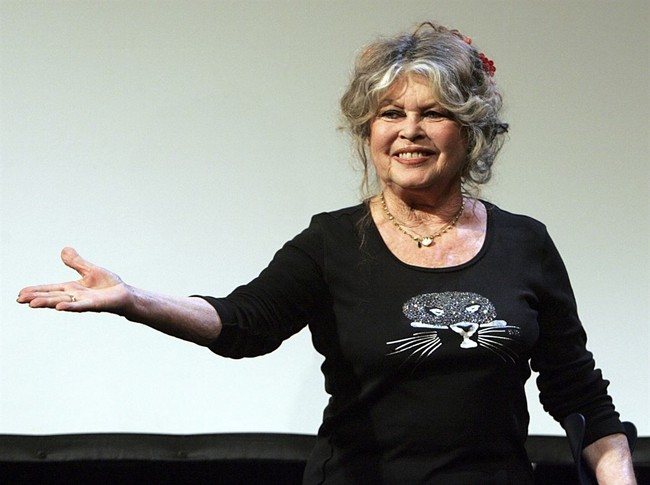
This piece looks at Emmanuel Macron praising Brigitte Bardot as someone who “embodied a life of freedom” while highlighting the long record of French state censorship and prosecutions of Bardot for her speech, contrasting the praise with reality and pointing out the political hypocrisy involved.
Brigitte Bardot’s death has prompted a flood of emotion and commentary across Europe and beyond, and Macron chose to laud her as a symbol of liberty. His words landed oddly for many who remember Bardot’s repeated run-ins with French authorities over things she said. From a conservative angle, the praise reads like a convenient nicety rather than a clear recognition of what she faced from the state.
Macron’s official line was short and polished, and it leaned on Bardot’s cultural footprint and animal activism. He called her a legend and credited her with a public persona that resonated with freedom. But when leaders who preside over broad censorship programs heap praise on someone who fought for free speech, the contrast deserves scrutiny rather than acceptance.
With her films, her voice, her dazzling glory, her initials (BB), her sorrows, her generous passion for animals, and her face that became Marianne, Brigitte Bardot embodied a life of freedom. We mourn a legend of the century.
Jonathan Turley pointed out the sharp disconnect between Macron’s words and how Bardot was treated under French law. Bardot spent decades clashing with authorities and facing prosecutions tied to what she said, a pattern that undercuts any simple label of her as a free-speech icon under the French state. From a Republican perspective, it is worth calling out political theater where it exists rather than nodding along to a convenient tribute.
As discussed repeatedly on this blog, Bardot was repeatedly prosecuted by the French government for exercising her free speech.
Bardot died at the age of 91 after spending a lifetime fighting for animal and free speech rights. That latter struggle led her repeatedly into conflict with the French government, which has long embraced wide-ranging censorship of its citizens.
Macron himself is a distinctly anti-free-speech figure, despite the warm reception he received in past years from American politicians and the media.
The French legal environment has not been kind to outspoken voices, even famous ones. Laws framed to prevent incitement or hate have been used in ways that broaden state power over opinion, and cases over the years show the penalties can be serious. Conservatives who value speech ought to find this troubling regardless of whether they like Bardot’s politics or comments.
There are examples that illustrate the point: public figures and ordinary citizens alike have faced fines or convictions for comments judged offensive under French standards. Those standards are often applied through prosecutorial discretion and judicial interpretation, and that opens room for inconsistent and politically fraught enforcement. When the state becomes the arbiter of acceptable speech, praise for a dissident’s “freedom” from that same state rings hollow.
I am greatly misunderstood by politically correct idiots. Politics disgusts me.
Bardot’s own words show a bluntness that infuriated critics and energized supporters, and she made no effort to tailor her opinions for the authorities. That straight talk is part of why so many admired her and why so many others sought to punish her. From a conservative vantage, honoring a person for courage in speech should include recognizing the cost imposed by government, not ignoring it.
The Macron statement, sincere or calculated, is notable for what it omits: any acknowledgement of the legal and prosecutorial history that Bardot endured. Republicans who worry about expanding state control over discourse should call out that omission. Respect for a cultural figure should not be allowed to sanitize the record of a government that has repeatedly moved against free expression.
May Brigitte Bardot rest in peace, and may her life prompt a clearer conversation about where European governments have overstepped in policing words and ideas. Her career, controversies, and convictions remain relevant to anyone who cares about the boundaries of free speech in liberal societies.


Add comment