
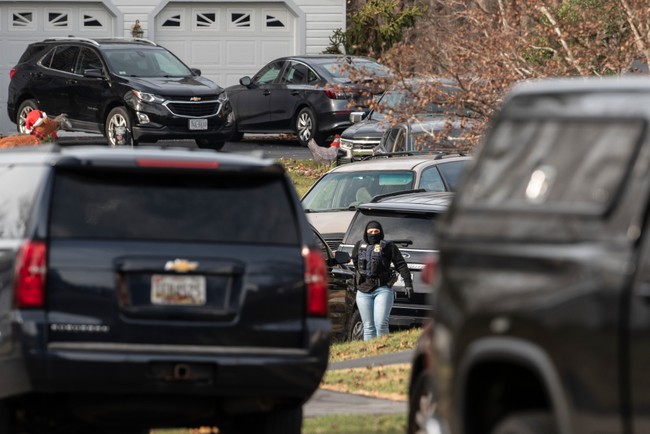
Republican Rep. Barry Loudermilk says surveillance footage that would show activity near the RNC and DNC where pipe bombs were left on January 5 and discovered January 6 was not preserved, creating a major gap in the timeline investigators need to answer how the devices went unnoticed and whether someone returned to the scene.
Loudermilk, who chairs the House Republican-led Select Subcommittee on January 6, has flagged missing camera clips as a troubling hole in the public record. He stresses that investigators have the January 5 recordings but were told that “no one ever preserved January 6th,” which leaves unanswered questions about movement around both committee headquarters on the morning in question.
“There’s still so many questions regarding this, because one of the things that has raised our eyebrows is as we go and we look for video on January 6th, because we want early morning video on January 6th to see, did anybody go back to these locations?” he said. “Unfortunately, that video apparently doesn’t exist anymore,” he stated. “We do have the January 5th video, but we’ve been told that no one ever preserved January 6th.” “So that does raise our eyebrows a bit.”
The missing clips matter because they would show who moved about the areas behind the Republican and Democratic committee buildings, and whether the person suspected of planting the devices returned or someone else tampered with the scene. Investigators reportedly had identified tens of thousands of frames tied to the suspect before an arrest was made, yet the most crucial vantage points around the party offices appear to be absent.
Earlier this month authorities arrested a suspect nearly five years after the devices were left. That arrest followed a long cold-case effort relying on credit card records, cell data, and other surveillance material, but according to Loudermilk the particular camera angles that would directly capture the placements behind the RNC and DNC are not available.
The alleged placement of the pipe bombs happened late on January 5, with discovery around 1 p.m. on January 6, so footage from the early morning through mid-afternoon window could reveal when the devices were put down, who walked past them, and whether anyone returned. Without those clips, investigators lose the clearest path to confirming or refuting theories about placement and potential re-placement of the devices.
Loudermilk acknowledges there are still other sources of footage, including Capitol Police cameras that recorded some walking paths, but he says the streams that would have provided the closest views behind the two committee buildings “that we know of that exists today of where this person would have been, had the closest angles” are missing. That absence has slowed any follow-up on the idea the devices might have been moved or rehidden.
The missing video raises standard but critical questions about how evidence was handled: who controlled the recordings, whether retention policies were followed, and what happened to any copies that might have existed. If the files were intentionally removed, the motive and chain of custody would be vital to establish; if they were overwritten or lost through routine procedures, that also demands clear explanation and accountability.
Investigators and members of the subcommittee will need to know whether the lapse is a product of negligence, an administrative mishap, or something more deliberate. Loudermilk has outlined theories for why the devices might have been overlooked — distractions during searches, handler error with a detection dog, or witnesses not noticing — but those possibilities remain speculative without the missing visual record.
The defendant arrested in the case has been held without bail pending further hearings, and authorities say items like purchase records and cell connections tied him to the devices. Still, the gap in preserved camera footage leaves a hole in the narrative that both investigators and the public deserve filled, especially when the basic questions of timing and movement around the RNC and DNC remain unresolved.
Those unresolved details are now part of what Loudermilk and his committee are pressing to understand: who controlled the video, why early-January footage was not preserved, and whether that absence affected the ability to identify and prosecute anyone involved in placing the devices. The answers will shape how the investigation is viewed and what steps Congress may demand to prevent similar lapses in evidence preservation in the future.

Add comment