
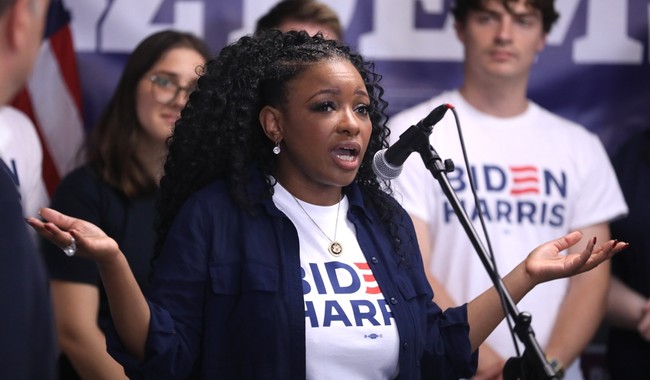
Texas congresswoman Jasmine Crockett declared that her Senate bid was marred by cheating after early vote counts showed her trailing rival James Talarico, sparking courtroom questions and a heated public response. The campaign’s back-and-forth has turned into accusations about election integrity, delayed returns in key counties, and a live political fight playing out while the results remain uncertified. Supporters and critics are already trading claims, and the dispute has injected uncertainty into a high-stakes primary where a runoff is now likely for the Republican side. This piece covers the allegations, the reaction from Crockett’s team, and the broader context of the race as counting and legal reviews continue.
Congresswoman Jasmine Crockett ran for the United States Senate with a bold, attention-grabbing style that caught headlines for both policy and persona. When initial tallies put her behind state representative James Talarico, she publicly suggested the campaign was being undercut by cheating, a charge that immediately raised eyebrows. Her comments came as various precincts reported delays and as courthouses started to see filings contesting procedures and results. From a Republican-leaning perspective, her swift leap to fraud allegations looks like a reflexive attempt to delegitimize an unfavorable outcome.
The vote-count situation in Texas is messy by any objective measure: county reporting was staggered, some systems experienced delays, and both parties accused the other of procedural interference. Crockett addressed supporters and framed the delays as part of a pattern that threatens fair competition, saying people should remain resilient and stay engaged at the polls. Critics note she offered no specific, verifiable evidence at the time of her remarks, and legal teams from several campaigns were already preparing to weigh in. That lack of immediate documentation is important given the serious nature of fraud claims.
A public clip from Crockett’s remarks highlighted the tone driving the controversy. The congresswoman urged voters to stand in line at polling places and insisted voters must remain vigilant about the process. The language escalated quickly from concern to accusation, with Crockett warning that if cheating is allowed to succeed, it will continue. For many Republicans watching the race unfold, this rhetoric appears politically motivated and risks undermining confidence in ordinary, lawful election procedures without proof.
A downcast Crockett went there anyway:
We encourage each and every one of you to remain resilient.
We cannot allow this type of behavior to be rewarded, because so long as they know that they can win, even if it means cheating, then they will continue to do it.
So I am asking you, I am begging you, to make sure that you go ahead and figure out where it is that you are supposed to vote. Stand in line, wait in line…
As legal filings and public statements multiplied, the mainstream narrative split between caution and alarm. Some observers stressed that close races often spawn lawsuits and recounts, which are normal parts of the process, not automatic evidence of foul play. Others feared that broad, unsubstantiated allegations could be a tactic to motivate turnout or attract national attention and resources. The Republican view emphasizes both the need for secure, transparent elections and the importance of not weaponizing accusations without clear, corroborated facts.
News accounts noted Crockett left her own watch party after delays in Dallas County returns, a move that fed headlines and fueled speculation. She reportedly said she would not return until county tallies were visible and suggested the delays were targeted at Democratic voters, a claim voiced without public, independent confirmation at that moment. An opponent’s campaign framed the withdrawal as melodrama rather than a principled stand, and Republican strategists were quick to highlight the absence of documented, systemic wrongdoing. In close contests, perception matters as much as the math, and the optics here favor skeptics of Crockett’s charges.
Another media summary captured the broader scene as the race tightened: election integrity concerns, heated rhetoric, and both sides contesting the narrative. It described Crockett as arguing irregularities and unfair tactics contributed to her struggles in the polls while noting she hadn’t provided detailed evidence immediately. The reporting emphasized how the contest elevated partisan tensions and drew national attention as candidates jockeyed for advantage. From a Republican lens, that attention underscores the need for accountable processes and robust, transparent adjudication of any legitimate concerns.
Statewide, the primary picture also saw Republican contenders move toward a runoff, which will shape the fall matchup whoever emerges from the Democratic side. If either Talarico or Crockett wins the Democratic primary, they would face a GOP opponent who has now cleared an initial hurdle and is preparing for the next phase. Texas remains a politically dynamic state where tight, contested elections matter for national control and policy direction. Republicans will be watching the legal developments closely, ready to defend both procedure and outcome.
Reports of Crockett accusing opponents of “specifically targeted” voter suppression and leaving her event drew additional attention and criticism from those who view the comments as part of a pattern of complaining when results are unfavorable. Opponents characterized the tone as performative, while supporters framed it as a necessary warning about vulnerabilities in the system. Regardless of motive, the claim intensified scrutiny and made the coming days of counting and potential litigation even more consequential. The race will continue under a microscope until official certification and any court rulings resolve the disputes.
For now, the unfolding events are a reminder that primary fights can turn chaotic and personal, especially in high-profile states like Texas. Accusations of cheating are serious and deserve thorough, transparent review, but they should be backed by verifiable evidence before reshaping public trust. Meanwhile, Republican observers are positioning themselves to ensure any genuine irregularities are resolved while resisting politically convenient claims that lack substantiation.
Crockett’s comments and the ensuing controversy will likely shape how voters remember this primary, especially if a final count or court decision affirms the preliminary tallies. The outcome will matter not just for the candidates but for how both parties manage claims about election integrity going forward. Until the vote is certified and any legal challenges conclude, the story will keep evolving and partisan lines will stay sharp.



Add comment