
The Iranian women’s national soccer team made headlines after several players refused to sing their country’s anthem in Australia and five of them slipped away from their handlers to seek refuge, touching off international asylum calls and a high-profile reaction from U.S. political leaders.
The squad was in Australia for the Women’s Asian Cup when a group of players chose silence instead of singing the Islamic Republic’s anthem, an act that quickly drew attention given the tense situation inside Iran. Tensions were already high after a recent strike on a presidential compound and the reported death of the supreme leader, and Tehran had been pushing for displays of unity from national representatives abroad.
An account tied to exiled dissident Reza Pahlavi reported that five players left their team training camp and found safety in Australia, naming Fatemeh Pasandideh, Zahra Ghanbari, Zahra Sarbali, Atefeh Ramazanzadeh, and Mona Hamoudi.
We inform our compatriots and the media that five players from Iran’s women’s national football team, named Fatemeh Pasandideh, Zahra Ghanbari, Zahra Sarbali, Atefeh Ramazanzadeh, and Mona Hamoudi, have successfully sought refuge in Australia by leaving the team’s training camp. These five athletes, who are currently in a safe location, have announced their joining of the national revolution of Iran’s Lion and Sun.
Reports say Queensland police have the players in protective custody while they pursue asylum on the grounds they could face severe punishment back home for their protest. Local human rights contacts described the police response as moving the women to safety, and officials there are handling their immediate welfare and legal options.
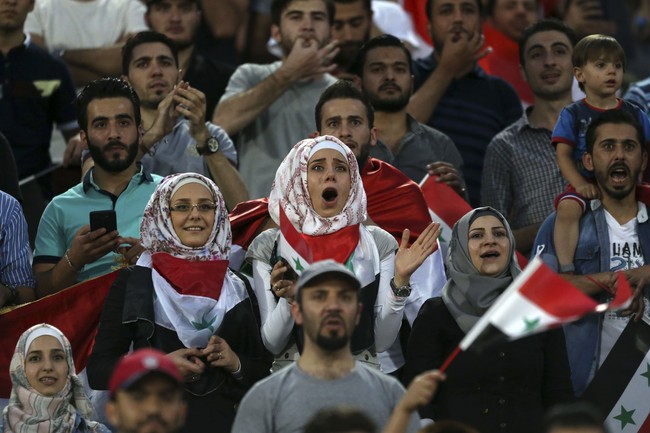
Inside the stadium the moment was stark: an anthem played, opposition-era flags appeared in the stands, and the national team stood silent, creating an image at odds with Iran’s usual strict control of athletes overseas. That control is well documented and includes oversight that can lead to real consequences for visible dissent, especially for female athletes operating under religious and state rules.
Iran does not leave messaging to chance when national representatives are overseas. Athletes have faced scrutiny for far less than visible dissent, and female athletes operate under especially rigid religious and state oversight.
Inside the stadium, another image complicated the picture.
There was also a group of Iranian supporters at the game flying the pre-Islamic Revolutionary flag featuring the golden lion and sun.
The anthem echoed. Opposition-era imagery appeared in the stands. The national team stood silent.
Given that record, the escape of five players from their handlers is notable. Australian authorities are reported to be processing asylum claims amid concerns that returning to Iran could mean prosecution or worse for those who openly defy state dictates.
The situation attracted swift U.S. political attention after reports surfaced that Iranian officials threatened the players. President Trump publicly called for asylum for the athletes and urged the Australian prime minister to offer shelter, framing the decision as a clear humanitarian imperative.
Australia is making a terrible humanitarian mistake by allowing the Iran National Woman’s Soccer team to be forced back to Iran, where they will most likely be killed. Don’t do it, Mr. Prime Minister, give ASYLUM. The U.S. will take them if you won’t. Thank you for your attention to this matter. President DONALD J. TRUMP
The president’s promise that the United States would accept the players if Australia did not reflects a hardline, results-focused approach to protecting people who face real danger from hostile regimes. Supporters of that stance argue it sends a strong signal that America stands with those who reject repression and risk everything for freedom.
For the team members, the next steps involve asylum procedures, interviews, and legal assessments of their claims. Meanwhile, their choice to remain silent during the anthem and then break away from the team will be remembered as a bold act in the context of a regime that punishes dissent harshly.
This incident underscores the intersection of sports, politics, and individual courage, and it has already reshaped conversations in diplomatic circles about responsibility, protection, and moral clarity when citizens defect under threat. Governments now face decisions on asylum, safety, and the broader diplomatic consequences of sheltering high-profile defectors.


Add comment