
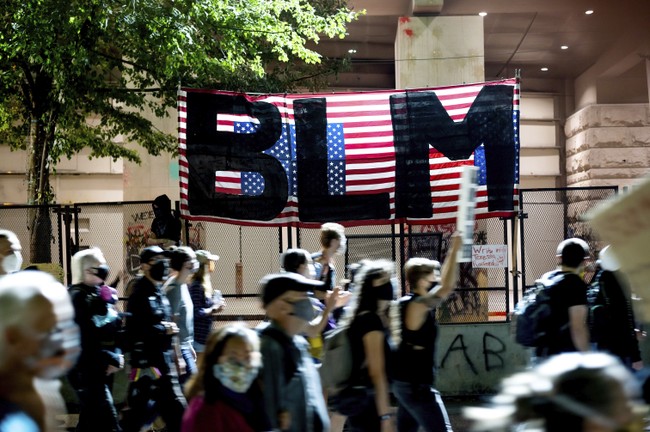
The Black Lives Matter movement is now facing a federal probe over alleged misuse of up to $90 million in donations, and questions about property purchases and organizational transparency have stirred strong reactions. This article lays out the allegations, the known property purchases tied to leaders, the legal framing of fraud and deception, the organization’s response, and the broader political commentary surrounding the story.
The matter began as reports surfaced about large sums raised in the aftermath of the 2020 unrest and how some of that money was spent by leaders of the movement. Allegations center on senior figures who reportedly directed donations toward personal property acquisitions and other expenses that donors did not expect. Those reports escalated into an inquiry that federal prosecutors are weighing as potentially involving up to $90 million in misused funds.
Among the most notable claims are purchases of high-end homes and condos tied to individuals associated with the movement. One prominent example often cited in reporting involved a sequence of real estate transactions that critics say looked more like a personal spending spree than the stewardship of a nonprofit. Public outrage grew after detailed descriptions of property values and locations circulated, fueling calls for accountability from donors and commentators alike.
Legally, there are clear lines between acceptable nonprofit activity and criminal conduct, and those lines matter here. A voluntary, transparent donation is legitimate; profitable exchanges that benefit the public or mission are defensible. But when money raised for one purpose is diverted through deception or misrepresentation, it can cross into fraud, and that is the core of the federal probe.
Critics note that when donors give, they expect their contributions to support stated goals, not to acquire luxury real estate for insiders. Where intent and disclosure are murky, prosecutors look closely, and civil penalties or criminal charges can follow if evidence shows deliberate misuse. The potential scale of the alleged misconduct—tens of millions—would make this an unusually large case for nonprofit oversight and could reshape donor trust across the sector.
The organization issued a brief statement that each side is now citing in the debate, and that line has been repeated in media coverage. “The Black Lives Matter Global Network Foundation said in a statement to AP that it “is not a target of any federal criminal investigation” and remains committed to transparency and accountability.” That phrasing has been scrutinized by both defenders and critics, with some reading the denial narrowly and others taking it at face value.
Beyond the legal questions, the episode has political dimensions that conservatives are quick to highlight, arguing the episode reflects broader concerns about left-leaning nonprofit accountability. From this perspective, donors and the public deserve stringent oversight and swift enforcement when suspected abuse arises. The debate over how to reform regulation of political or quasi-political nonprofits has intensified as a result.
The public reaction has been a mix of anger, calls for investigations, and weary cynicism about how money circulates in activist networks. Donors demand clarity about where their contributions went, watchdogs want detailed accounting, and elected officials on the right press for tougher consequences if wrongdoing is found. The probe itself will take time, but its existence signals that federal authorities consider the allegations serious enough to pursue formal examination.
Editor’s Note: The Schumer Shutdown is here. Rather than put the American people first, Chuck Schumer and the radical Democrats forced a government shutdown for healthcare for illegals. They own this.
Help us continue to report the truth about the Schumer Shutdown. Use promo code POTUS47 to get 74% off your VIP membership.


Add comment