
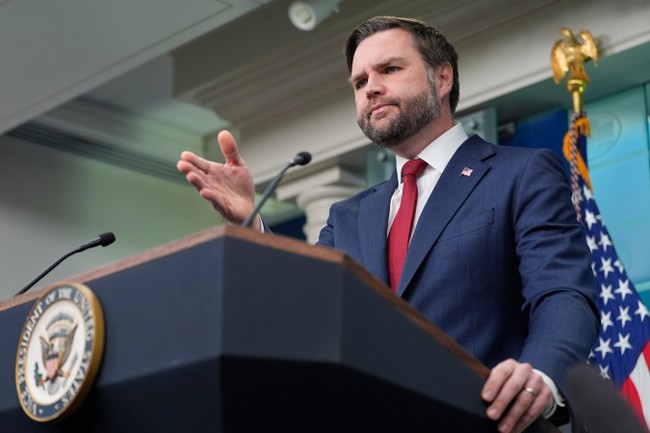
The Secret Service is meant to protect top officials, yet a reported leak from an agent assigned to Vice President JD Vance’s detail suggests sensitive travel and security information was disclosed to an undercover journalist, raising serious national security and trust issues.
Hidden Cam Reveals SS Breach: JD Vance Detail Compromised
The Secret Service exists to keep presidents, vice presidents, and their families safe, and most agents take that duty seriously. When someone entrusted with that role crosses the line, it not only endangers individuals but also undermines public confidence in a critical institution.
According to the reporting, James O’Keefe’s investigation caught a U.S. Secret Service agent on Vice President JD Vance’s protective detail sharing details about protective formations, shift schedules, travel plans, and real-time locations. The allegations suggest not just slipshod behavior but a pattern of disclosures, some reportedly shared during personal encounters. If true, this behavior crosses from negligence into active compromise of operational security.
Among the claims is that the agent described how the vice president is physically surrounded, noted multiple daily shift changes, and discussed advance security procedures. The reporting says this agent even revealed future travel arrangements, sometimes days in advance, and shared images taken while aboard Air Force Two. These are the kinds of details that hostile actors prize when planning an operation.
Tomas Escotto, a current U.S. Secret Service agent on Vice President JD Vance’s protective detail, was recorded on hidden camera providing an undercover journalist with sensitive security information, including protective formations, shift schedules, travel plans, & real-time locations.
Those revelations are alarming on several levels. First, the disclosure of operational formations and schedules can allow an adversary to study patterns and exploit predictable behavior. Second, providing real-time locations and images from secure platforms risks immediate danger. Third, the personal context in which these details were shared points to a failure of discipline and judgment that should disqualify an agent from protective duties.
The Secret Service agent detailed how the Vice President is physically surrounded, described multiple daily shift changes, & disclosed advance security procedures.
In addition to past movements, the agent revealed future travel plans, sometimes days in advance. Escotto even sent images from Air Force Two while onboard with the Vice President.
Despite acknowledging that he signed paperwork prohibiting the disclosure of sensitive information, the Secret Service agent repeatedly shared details with someone he believed was a casual romantic interest.
Calling the recipient a “casual romantic interest” raises the specter of a honey trap, a classic tactic used in espionage to extract information. That tactic doesn’t care about ideology; it preys on human weakness. Whether the contact was malicious or merely ill-advised, the fact remains the agent admitted to signing nondisclosure paperwork yet allegedly ignored it repeatedly.
The stakes are national, not personal. China, Iran, and other adversaries have shown a willingness to exploit personnel vulnerabilities to gain access to secrets and influence. Even weak, accidental leaks can become critical when combined with persistent intelligence efforts by hostile states. An agent leaking travel schedules and locations hands a potential attacker a map and timetable.
Accountability matters. The Secret Service must investigate these claims thoroughly and transparently, and appropriate disciplinary or legal steps should follow if the allegations hold up. At the same time, the accused retains the presumption of innocence and the right to due process, which must be respected even as an agency responds to an apparent internal failure.
Beyond individual consequences, this incident should prompt a review of training, oversight, and behavioral controls across protective operations. Agencies tasked with shielding national leaders need robust safeguards against both careless behavior and targeted manipulation. Strengthening those defenses protects principals and restores public trust.
The political implications are immediate: elected officials and their teams will demand answers and assurances that future breaches are prevented. Security planners must re-evaluate procedures, and the public deserves clarity about how such lapses occur and how they will be fixed. Anything less than a full accounting risks repeated mistakes and continued vulnerability.
Editor’s Note: The mainstream media continues to deflect, gaslight, spin, and lie about President Trump, his administration, and conservatives.
The human element in protective work is both its strength and its risk. Competent, disciplined agents provide an iron shield for leaders; compromised individuals can turn that shield into a liability. This reported breach, if confirmed, demands immediate and serious corrective action.
Add comment