
Checklist: explain the Fort Campbell helicopter flyby, describe the initial suspension and swift reversal, assess the policy and morale implications, note public reaction and political context.
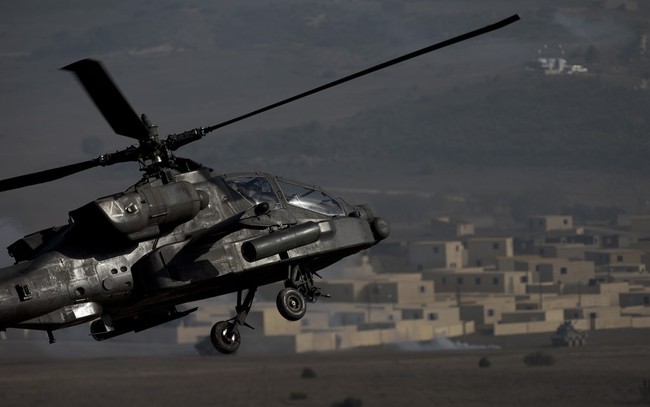
The story centers on two Army Apache helicopter crews from Fort Campbell who hovered near Kid Rock’s Nashville property during a routine training flight and drew public attention. The crews briefly lingered over the area, prompting a flurry of reactions once videos of the incident circulated. Secretary of War Pete Hegseth intervened quickly, lifting suspensions and closing the matter without further punishment or investigation. That sequence — pause, scrutiny, then decisive reversal — says as much about institutional reflexes as it does about the event itself.
The helicopters were on training missions in the Nashville area when they passed over parts of the city and then near the entertainer’s home. Kid Rock stepped outside, clapped, saluted, and raised a fist as the aircraft hovered by his pool, later posting footage that framed the encounter as a friendly salute from troops he has supported. Fort Campbell operates regular training routes that can bring aircraft over civilian neighborhoods, and the pilots were operating within the broader training envelope. No property damage occurred and the flight stayed under control throughout the brief interaction.
Initial military procedure followed the book: when a flight draws attention or there is a possible deviation, crews are often suspended pending review. That is designed to protect safety and preserve accountability, but in this case the review was short-lived. Secretary of War Pete Hegseth stepped in and lifted the suspensions, signaling that the action would end without disciplinary action. His message was simple: “Carry on, patriots.”
The episode underscores the tension between strict procedural precaution and practical judgment. Under layers of bureaucracy, routine acts that attract media scrutiny can trigger disproportionate administrative responses. In another era the pilots might have faced a brief internal debrief rather than being grounded while the aircraft and crews waited for formal findings. The swift reversal by senior leadership pointedly favored common sense and morale over paperwork and performative oversight.
Kid Rock’s ties to service members are well known; he has entertained troops overseas and maintains relationships with military communities, including visits to Fort Campbell. That background mattered when public reaction skewed into politicized commentary, with critics suggesting the flyby was reckless or intentionally provocative. But the available facts do not support a finding of malice or clear endangerment in this case. The pilots returned to training, and leadership judged the incident to be low risk.
How the Pentagon handles such moments has real consequences for the force. Overly cautious administrative responses can discourage initiative and chill simple, morale-boosting interactions between service members and civilians. Military leaders must weigh the need for discipline against the value of trust and practical judgment in everyday operations. Hegseth’s intervention emphasized that not every eyebrow-raising moment merits a full bureaucratic escalation.
Political context amplified what was otherwise a brief, localized event. Kid Rock is a visible supporter of the military and a public backer of President Donald Trump, and that alignment invited partisan readings from some quarters. Left-leaning critics framed the hover as politically charged, while supporters saw it as an innocuous gesture of mutual respect. Those polarized takes made it harder for ordinary observers to focus on the narrow operational facts: a short hover, no damage, and crews that remained in control of their aircraft.
For troops watching from the ranks, the incident and its rapid resolution sent a message. Leaders who are willing to step in quickly and distinguish between genuine safety concerns and symbolic controversies restore confidence in command judgment. That has a direct, practical effect on morale and unit cohesion, because service members need to trust that reasonable choices won’t automatically trigger career-damaging investigations.
The hover near Kid Rock’s property — the place he calls his “Southern White House” — became a flashpoint in a city known for a variety of political views. What remains clear is that the interaction was brief and was received by the homeowner as a friendly recognition rather than a threat. Ending the matter swiftly avoided prolonged scrutiny and allowed the crews to resume their missions without lingering stigma. In the end, the episode highlighted the value of measured leadership over reflexive bureaucracy.

Add comment