
The piece examines how Senator Ruben Gallego defended Maine Democrat nominee Graham Platner after disturbing online posts and a controversial tattoo surfaced, arguing that the party’s willingness to excuse such behavior signals how far Democrats will go to hold power. It recounts the most troubling revelations about Platner, Gallego’s reaction and fellow senators’ responses, and raises concerns about how voters—especially independents and veterans—might react in the general election.
Graham Platner’s past posts and a long-criticized tattoo have become national news, and the content is ugly enough that even casual readers wince. The posts include crude sexual admissions, racially insensitive remarks, and explicit praise for vulgar graffiti, creating a package of problems that any serious campaign would struggle to manage. These revelations did not come from friendly sources and are the kind of material that can drive independent voters away in a swing race.
Republicans have pointed out that Platner’s online history goes beyond mere bad jokes and into territory that threatens decency and common sense in public life. The Nazi-themed tattoo, even with claims of ignorance or intoxication at the time, is a particular sticking point because symbols carry meaning and voters judge character by choices. That Platner has tried to explain or minimize these things has not reassured many observers who expect higher standards from candidates seeking office.
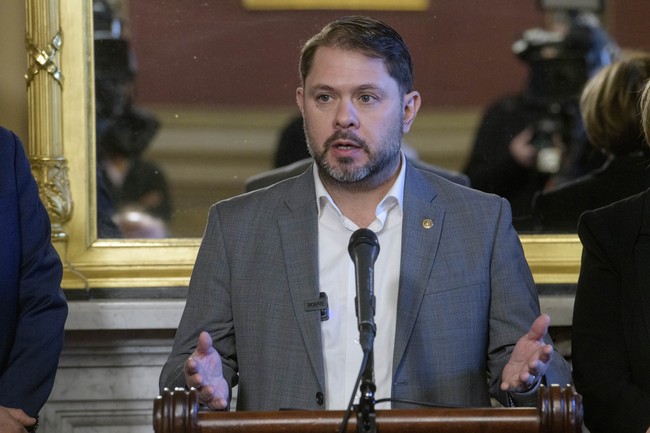
Senator Ruben Gallego rushed to defend Platner in public remarks, arguing the revelations make Platner “more relatable to veterans,” a line that landed badly with critics. For opponents and many independents, the instinct to defend vulgar or offensive conduct looks like partisan desperation rather than measured judgment. The defense also raises questions about what Democrats will tolerate from their nominees when control of the Senate is at stake.
“Did Fox News talk to any grunt or deployed Marine before posting?” Gallego on X. If the goal is to make him more relatable to veterans than mission accomplished.
Other senators reacted with humor or pointed barbs. Senator Tim Sheehy noted his own background and made a quip suggesting he’d avoid certain facilities after Gallego’s comments, a joke that underscored how awkward the whole episode appeared to many onlookers. These exchanges played out publicly and amplified the story rather than calming it, keeping the controversy in voters’ faces as campaign season ramps up.
Some of the unearthed posts are directly quoted and are too explicit for polite repetition, but they include graphic admissions about sexual acts and enthusiastic praise for crude graffiti in a portable toilet. One of the posts reads, “I still have to jerk off every time I sit in a porta-s***ter… that blue water smell conditioned me.” Those exact words circulated widely once they were discovered, and they understandably shocked many voters when reported.
“I still have to jerk off every time I sit in a porta-s***ter… that blue water smell conditioned me.”
Additional excerpts describe a reaction to a crude drawing that Platner labeled with exuberant praise. The quoted passages convey vivid and vulgar imagery, and the choice to publicize them backfired politically because they reinforced the narrative that Platner’s public persona is out of step with mainstream voters. Campaigns struggle to recover from such vivid, unattractive revelations.
In a March 2021 post in the r/USMC forum, Platner responded to a thread about “GWOT D*** Art” by praising an explicit penis drawing in a portable toilet.
“Oh s—!!!,” Platner wrote. “You’ve got the Hot Rod C— from Manas!”
“I sat there in sheer awe. The soul filling joy to be allowed to witness such glory,” he added, describing the graffiti as “beautiful,” “engorged and veiny,” and moving “towards its penetrative glory.”
Defenses from prominent Democrats, including Gallego and other party leaders, have looked to many like political triage rather than principled judgment. The calculations are simple: hold the line, avoid defections, and try to blunt the story before it damages the general election map. But this approach risks alienating centrists and independent voters who prioritize character and common sense over loyalty to party labels.
Veterans’ reactions are particularly consequential because both parties court that demographic and because military service tends to sharpen views about honor and conduct. When a nominee’s history includes vulgar boasts about sexual behavior and racially charged comments, veteran voters may view the candidate through a different lens than partisan operatives do. That gap between insiders and the broader electorate is where races are won and lost.
This controversy is a test of priorities for Democrats heading into the fall. Do they stand by a nominee whose past includes troubling imagery and explicit, offensive posts, or do they recognize the political risk and act accordingly? How the party resolves that choice will reveal a lot about strategy, ethics, and where they place the pursuit of power versus accountability.
For now, the story keeps growing as more posts and reactions surface, making it a live issue that could reshape conversations in Maine and beyond. Voters will decide whether explanations and defenses are sufficient, and campaigns will weigh whether damage control can overcome raw, widely shared evidence of poor judgment. The stakes are high in a tight Senate map where even a single seat can change control and set the agenda for years to come.



Add comment