
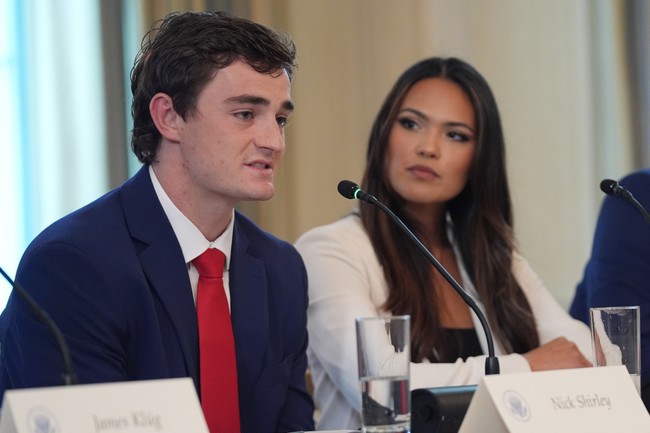
The viral video from Nick Shirley that questioned practices at Minnesota daycare centers sparked a media scramble, a federal response, and a bitter debate about who is actually digging for the truth. Reporters challenged Shirley on the street while the Biden administration paused child care payments and ordered audits, and online reactions were swift and split. This article walks through the media encounter, the official reaction, and why light on this issue matters.
Nick Shirley released a video that quickly went viral, raising hard questions about how some Minnesota daycare centers operate. The clip prompted immediate coverage and criticism, but not all of that coverage focused on Shirley’s specific claims. Instead of a traditional investigation that tested each assertion, some outlets opted to challenge Shirley’s reporting on the spot.
CNN sent a correspondent to confront Shirley outside one of the centers he visited, and the exchange became the kind of confrontation that fuels distrust rather than clarity. Shirley said he stood by his reporting and offered the reporters a chance to do their “own analysis.” The line “So we can make our own analysis?” from Whitney Wild appeared during that encounter and later circulated online exactly as spoken.
That brief, street-level confrontation left viewers asking why reporters weren’t reporting in a more methodical way. The correspondent noted they “reached out” to several centers and said “Only one answered and said they are a legitimate business.” That reply drew skepticism: a lack of response from other centers could mean there are real obstacles to straightforward verification.
Critics argued the CNN interaction read like a debunking attempt rather than an inquiry, and people online were not impressed by the network’s effort. Public reactions included mockery and frustration, especially among those who felt the reporting missed the point. The debate grew as people compared the on-the-scene pushback to the follow-up actions taken by federal officials.
The Trump administration responded decisively, freezing child care payments to Minnesota and demanding a comprehensive audit of the centers mentioned in Shirley’s video. Officials also announced a requirement for receipts for states to receive future funding, a change designed to increase accountability and trace spending. Those moves signaled that the issue was being treated as more than a media controversy; it became an administrative priority.
Some reporting brought up prior prosecutions for fraud in Minnesota, which were presented as context that might undercut Shirley’s broader claims. But others saw those prosecutions as confirmation that systemic problems have existed for years and required serious, targeted action. Noting past cases does not negate current allegations; it highlights a pattern that deserves thorough scrutiny.
On the ground, investigators were already mobilizing. The administration said it had sent additional assets into the state to examine potential fraud and to follow up on the specific locations Shirley identified. Federal teams, alongside existing state investigations, are now focusing on tracing payments, reviewing documentation, and interviewing relevant staff and administrators.
That heavier scrutiny changed the narrative for many observers: this stopped being solely about a viral video or a media confrontation and became a formal probe with real financial consequences. Whether the centers implicated are innocent or culpable, the audit and payment freeze will force a closer look at records and procedures than a quick on-camera challenge ever could.
The key takeaway for many is simple: when allegations of fraud surface, public officials need paper trails and audits, not only talking points and drive-by interviews. People who raised concerns on the right argued that federal action was overdue, while critics on the left dismissed the original reporting as sensational. Either way, federal audits and stricter documentation rules are now part of the fallout.
As investigations proceed, the exchange between Shirley and the media will likely remain a flashpoint for debates over journalistic standards and political bias. The administration’s response ensures the story will not fade with a single television segment. For those concerned about accountability, the spotlight and the audits may be the most important outcome of all.
Public reaction online continued to register discontent with how some outlets handled the story, and clips of the media confrontation kept circulating. The surge in attention helped push federal authorities to act and made it harder for officials to treat the issue as a local oddity. The broader point is that scrutiny, when applied rigorously, uncovers problems that casual reporting can miss.
Add comment