
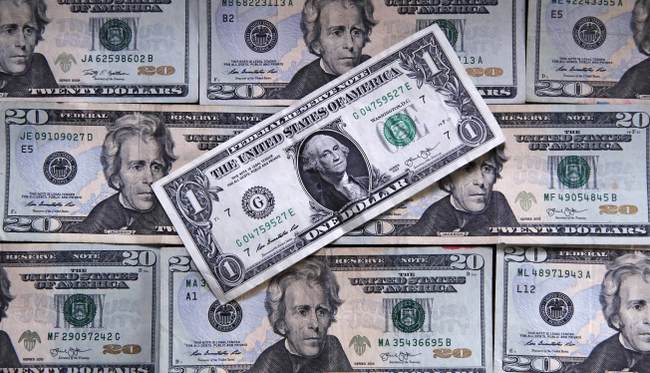
The Federal Reserve on Wednesday cut its overnight borrowing rate by a quarter-point to a 3.50–3.75 percent range in a 9-3 vote, signaling caution about further reductions while exposing clear internal divisions and setting up a likely single cut in 2026 that President Trump may criticize.
The Fed trimmed its key rate by 25 basis points, moving the federal funds target to 3.5–3.75 percent after a 9-3 vote. Republicans and conservatives watching monetary policy have long pushed for lower rates to relieve pressure on borrowers and stimulate growth, so this modest move will be seen as an incomplete victory by those who wanted faster action.
A Federal Reserve split over where its priorities should lie cut its key interest rate Wednesday, but signaled a tougher road ahead for further reductions.
Fulfilling expectations of a “hawkish cut,” the central bank’s Federal Open Market Committee lowered its key overnight borrowing rate by a quarter percentage point, putting it in a range between 3.5%-3.75%.
The overnight borrowing rate is where banks lend or borrow funds overnight to meet reserve requirements, and changes there ripple into credit cards, mortgages, and business loans. For everyday Americans, even a quarter-point shift can change monthly payments and affect decisions on purchases and investments, though the effects may take months to appear in full.
Three Fed officials voted against the cut, the first such split of this scale since September 2019, and their dissents reveal the ongoing debate inside the institution. Governor Stephen Miran pushed for a larger half-point reduction, while regional presidents Jeffrey Schmid of Kansas City and Austan Goolsbee of Chicago preferred holding steady, illustrating the hawk-versus-dove tension at the center of the decision.
However, the move carried caution flags about where policy is headed from here and featured “no” votes from three members, which hasn’t happened since September 2019.
The 9-3 vote again featured hawkish and dovish dissents – Governor Stephen Miran favored a steeper half-point reduction while regional presidents Jeffrey Schmid of Kansas City and Austan Goolsbee of Chicago backed holding the line. In Fed parlance, hawks are generally more concerned about inflation and favor higher rates while doves focus on supporting the labor market and want lower rates.
Conservative critics will note that the Fed continues to resist pressure for bigger and faster rate cuts from the White House and many in the GOP. President Trump has been vocal about wanting more aggressive easing, arguing that lower rates help Main Street; the Fed’s cautious tone means Trump’s demands are only partially met and he’s likely to publicly push back.
Veterans of past inflation fights recall the Great Inflation era and the painful but effective policy of sustained high rates that finally brought inflation under control. Inflation today is not at those levels, and many on the right argue the Fed must balance inflation risks with the need to keep the economy humming without over-tightening or disrupting growth.
Fed language after the vote stressed careful assessment of incoming data and the balance of risks, wording that markets interpret as a signal that further cuts are not guaranteed. Officials repeatedly pointed to inflation concerns, suggesting the committee will move slowly and may pause if price pressures reappear, a stance that frustrates those who want quicker relief for borrowers.
“In considering the extent and timing of additional adjustments to the target range for the federal funds rate, the Committee will carefully assess incoming data, the evolving outlook, and the balance of risks,” the statement said.
When the language was used in December 2024, it signaled that the committee likely was done cutting for the time being. The FOMC then did not approve any reductions until the September meeting.
Markets took the decision as a cautious step forward, not a pivot to aggressive easing, and traders are pricing in only limited additional cuts over the next year. That outlook aligns with a Fed worried about rekindling inflation, and it clashes with Republican calls for a more pro-growth monetary stance aimed at lowering borrowing costs sooner.
Politically, the move puts the Fed in the crosshairs of conservative commentary that believes the central bank should be more responsive to growth and employment concerns. President Trump’s public critiques of the Fed are likely to intensify as he frames this modest cut as proof the Fed still isn’t doing enough for working Americans.
The decision leaves policymakers and the public with a clear takeaway: the Fed lowered rates modestly but signaled restraint going forward, and that stance will shape debates in Washington about the right balance between price stability and economic momentum.


Add comment