
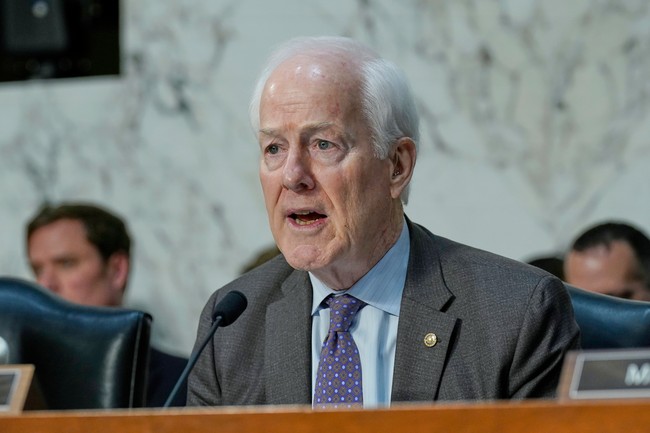
James Talarico’s campaign just hired a longtime staffer from Sen. John Cornyn, and that move has sparked a lot of local heat. The new role, the reaction from voters, and Cornyn’s own public remarks turned what might have been a quiet staffing change into a flashpoint about loyalty, party priorities, and political messaging in Texas.
Jacob Smith, who served five years for Cornyn as a deputy legislative director and policy adviser, is now listed as deputy policy director for Talarico’s campaign. That exact personnel detail raises immediate questions about judgment and alignment when a Republican staffer defects to a Democratic challenger in a high-profile Senate contest. The switch reads as more than a career move; for many voters it felt like a signal about whose side his former office backed.
Jacob Smith, who worked for Cornyn for five years as a deputy legislative director and policy adviser, is taking on the role of deputy policy director for Talarico’s campaign.
The hire landed especially poorly with conservatives who already felt disconnected from Cornyn’s decisions and priorities. Some voters used it as confirmation of their earlier choices in the primary, saying they were right to back alternatives to Cornyn. The political fallout is less about Smith’s rights as a private employee and more about what his move reveals about hiring and influence inside Republican offices.
Cornyn’s own public comments made the situation worse instead of calming it down. He weighed in with a message that many perceived as tone-deaf: suggesting party operatives broaden their outreach and act as if staffers moving between parties is simply part of political life. That did not sit well with folks who think a Republican office should attract people committed to conservative priorities, not ones who will carry experience over to an opposing campaign.
John, only in authoritarian countries does someone else get to decide where you work. Not in Texas. Those concerned might want to channel their energy into broadening R outreach to a coalition of voters rather than just those already converted.
The reaction on the right was sharp and immediate. Critics accused Cornyn of setting up a straw-man argument — insisting no one suggested a staffer can’t pick their employer — while sidestepping the real issue: why someone deeply embedded in a Republican senator’s policy shop would join a Democrat aiming to flip a seat. Voters want clarity on values, not platitudes about broadening outreach after the fact.
https://x.com/JohnCornyn/status/2089724521699823868
For many Texans, the controversy underscored a broader frustration about elites who seem out of touch with base priorities. This isn’t only about one staffer’s résumé; it’s about trust. When people who helped shape a senator’s positions start working for a candidate who opposes those positions, it fuels suspicion that the office may not be as aligned with conservative goals as voters were told.
On the left, the hire caused puzzlement and some unease as well, with critics accusing Talarico of attempting a “Kamala Harris-Liz Cheney” style maneuver by picking up a conservative staff veteran. That reaction shows the move had cross-aisle implications and suggests the calculation behind the hire carries risks for both sides. Political staff decisions rarely land neatly with only one audience.
Public response included pointed criticism that Cornyn’s framing ignored the real concern: loyalty to the electorate and adherence to the policies that won conservative votes. People said they weren’t trying to control individual careers, they were calling out a pattern of staffing and messaging that seemed disconnected from voters’ priorities. That dissonance speaks to a larger question about who the party represents.
The optics of the situation matter in a state that prides itself on consistent conservative governance. Voters in Texas expect their leaders and their teams to resist radical left policies and to protect the values that keep the state red. When a veteran Republican staffer moves to a Democratic campaign, it invites scrutiny and a demand for explanation, not only from activists but from everyday constituents.
This episode also reveals how fast a personnel change can turn into a political narrative, especially during a heated election cycle. Rather than fading quietly, the story amplified existing doubts and encouraged conversations about whether party leaders are listening to the electorate. Those conversations are likely to continue as campaigns use staffing choices to send signals about priorities and direction.
For Republicans wondering what this means going forward, the lesson is clear: staffing decisions are political statements, and voters notice when experience from a conservative office migrates to an opposition campaign. That reality forces leaders to think carefully about who they hire, who they keep, and how they communicate loyalty to the base without sounding dismissive of voter concerns.

Add comment