
This article reports on recent violence in Caracas where armed motorcycle gangs known as colectivos have surfaced after Nicolás Maduro’s capture, targeting Venezuelans who supported the U.S.-led action and cheered Maduro’s fall; it describes checkpoints, searches, and the climate of fear, includes direct eyewitness quotes, and preserves the embedded media reference for context.
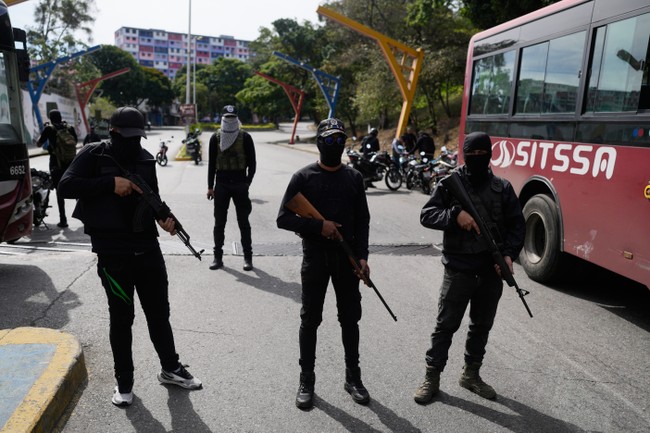
Armed groups on motorcycles have reappeared in Caracas, creating chaos and fear in the streets after the dramatic removal of Nicolás Maduro. These colectivos, reportedly carrying Russian-made automatic weapons, have been stopping vehicles and checking phones and IDs. Residents say the operations brought rush hour to a halt and turned routine commutes into checkpoints where loyalty and rhetoric are being treated like evidence.
The timing is notable: Maduro is in U.S. custody, and elements tied to his regime appear to be responding with raw, localized reprisals against those who welcomed the American intervention. That reaction seems to be aimed at anyone perceived to have celebrated Maduro’s arrest or supported the forces that led to his downfall. The result is a tense atmosphere where ordinary people worry about being targeted simply for their political views.
The masked thugs, known as Colectivos, holding Russian automatic weapons, brought rush hour traffic to a grinding halt in the Venezuelan capital, stopping drivers at checkpoints and demanding to search their phones and cars, four sources in Venezuela confirmed Monday and Tuesday.
The troubled circumstances have residents on edge over what will happen next, said the Venezuelans, who requested anonymity because of the threat of retaliation.
Local testimony and multiple on-the-ground reports describe door-to-door intimidation and public stops that aim to identify and punish those aligned with the U.S. action. These patrols are not merely show; people report searches of vehicles and personal devices, and the masked presence is enough to keep many indoors. The tactics mirror old playbooks for political control, but now they are being used in the aftermath of a foreign-assisted operation that removed the top figure in the regime.
The interim government in Caracas, installed after the operation, has also been accused of hunting down people who celebrated Maduro’s detention, which adds an odd, dangerous twist: both the regime’s foot soldiers and elements tied to the new order are reportedly acting against civilians. That means ordinary Venezuelans find themselves squeezed between competing forces, each suspicious of dissent or of public displays of support for the other side. In an environment like that, neutrality can feel risky.
Observers note that the colectivos are armed with weapons traced to foreign suppliers, which raises questions about outside influence and supply chains in the chaotic post-capture environment. The appearance of Russian-made automatic weapons in these street-level operations underlines how international relationships continue to shape local violence. For residents, the origin of the firearms matters less than the immediate threat they represent when gangs stop cars and demand to search phones.
Accounts from the capital show drivers turned back or held while masked riders scanned messages and social feeds for incriminating signs. People who had cheered the intervention or publicly welcomed the change are now being treated as targets for retribution. The fear of retribution drives silence and self-censorship, and it undermines basic freedoms that many hoped the intervention would restore.
Political commentators who follow Venezuela warn that replacing one leader with another does not automatically erase the underlying networks of power and violence. The colectivos are embedded in communities and often operate with a mix of political and criminal aims, which makes them resilient to top-level changes. That resilience is what allows them to resurface quickly and reassert control when conditions change.
Many Venezuelans are left asking what protections, if any, will be enforced to keep civilians safe from partisan street violence. With Maduro detained abroad, mechanisms for accountability at home are strained, and the interim authorities face the immediate challenge of restoring order without becoming instruments of revenge. For now, residents report living in a climate where expressing support for the U.S.-led action can draw deadly consequences.
Now the top man and his wife are facing federal charges in the United States, but his illegal junta is still in charge of the South American nation, and already, they are seeking reprisals against anyone in Venezuela who may have supported the American raid.
If you haven’t read streiff’s take on the new regime, headed temporarily by Maduro associate Delcy Rodriguez, it lays out beautifully how the new regime, nominally supported by the Trump administration, is same as the old regime. Rodriguez, writes streiff, “is a communist activist and a trusted deputy of both Chavez and Maduro,” who was sanctioned by Trump during his first term for “repressing dissent.”
The terror campaign currently being waged by the colectivos certainly seems to bolster that the idea that the names may have changed, but the communist ideology persists, and, as streiff concluded, “the only thing that has changed since Saturday is that Maduro is gone.”


Add comment