
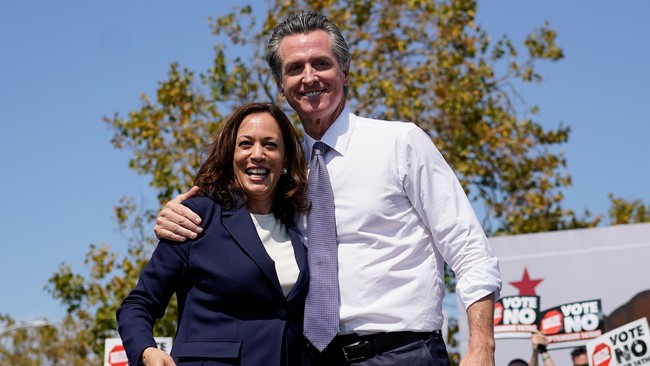
I’ll show how California is spending taxpayer dollars on security for a private book tour, highlight reporting that questioned the practice, include exact quoted findings, note unanswered questions about costs and duration, and explain why taxpayers deserve accounting for these expenditures.
California is notorious for fiscal drama, and this situation adds another chapter. Taxpayers are being asked to shoulder security costs for a high-profile former official who is now a private citizen promoting a book. That shift from public duty to private profit raises straightforward questions about fairness and accountability in how public resources get used.
Reporters in Sacramento pushed on this issue and found sources who say the California Highway Patrol has been detailed to accompany the former vice president during many of her appearances. Those sources were not authorized to speak publicly about security matters, which makes transparency even more important. If state officers are routinely traveling out of state and abroad for a private book tour, taxpayers should know the rules and the price tag.
The reporting makes clear officials have not disclosed the number of officers assigned, the length of the arrangement, or the total cost to California residents. Elected leaders and agencies owe the public basic answers: how many personnel, how long, and what is the total expense. Without that information, it looks like a one-way subsidy where the public shoulders risk and cost while private actors reap the financial benefits.
Watch:
California taxpayers have been paying for former Vice President Kamala Harris’ security detail as she travels out of state and, in some cases, out of the country to promote her book.
Multiple sources who were unauthorized to speak publicly about security matters told KCRA 3 that dozens of California Highway Patrol officers have been traveling with her for all of the former vice president’s book tour appearances. State officials will not say exactly how many officers are assigned to her, how long the arrangement will last and how much taxpayer money is being used.
The quoted passage is clear and alarming in equal measure: tax dollars are funding security for a private individual traveling to promote a commercial venture. That creates an optics problem and a potential policy problem too. If state resources routinely follow politicians into their private endeavors, where does public responsibility end and private benefit begin?
Those concerned about security will rightly point out the current political climate can be hostile and dangerous, and officials must ensure safety for public figures. Reasonable protections can be justified when a credible threat exists. What cannot be ignored is the need for accountability about who pays for what and whether reimbursements occur when protection extends beyond official duties.
It is notable that the former vice president and her spouse are reported to have substantial personal wealth, which changes the fairness calculation. When a wealthy private citizen travels for profit-generating events, it is reasonable to expect private funding to cover extraordinary security expenses. Using state resources in that context raises serious equity questions for ordinary taxpayers footing the bill.
Officials in Sacramento interviewed by the reporter offered a range of views, with some defending the protection as necessary and others calling for transparency and auditing. That split is reasonable, but the common ground should be disclosure. The public deserves a clear accounting: how many officers, what duration, exact costs, and whether any reimbursement from the private individual has been requested or received.
So far, state leaders have been tight-lipped, and requests for specifics have gone unanswered. Silence from officials creates distrust and fuels suspicions about favoritism and misuse of public funds. A straightforward public accounting would put those concerns to rest or expose a need for policy reform.
Taxpayers in California are already feeling squeezed by high taxes and ambitious spending priorities. Adding open-ended security bills for private tours only deepens frustration among residents who expect basic stewardship from their government. Transparency is not a party line; it is a simple requirement of public service.
The central issue here is not politics alone, but the proper boundary between public protection and private promotion. If the state is providing security for private activities, there must be clear rules, consistent disclosures, and fair reimbursement practices. Without them, taxpayers will rightly ask why their money is advancing private interests.
Kamala’s appearances and book tour have drawn attention for many reasons, but the financial and ethical question of who pays for the protection is among the most important. Citizens deserve clarity and a policy that prevents state resources from being used to underwrite private financial gain. Until Sacramento provides those answers, this will remain a live accountability issue.
Editor’s Note: Gavin Newsom wants to turn America into one big version of California – a failed, overtaxed, dystopian nightmare.
Neither Harris nor Newsom would respond to inquiries about the cost and duration of this security arrangement, leaving taxpayers in the dark about how long this will continue and who ultimately pays. That silence is unacceptable in a state that claims to value transparency and good governance.

Add comment