
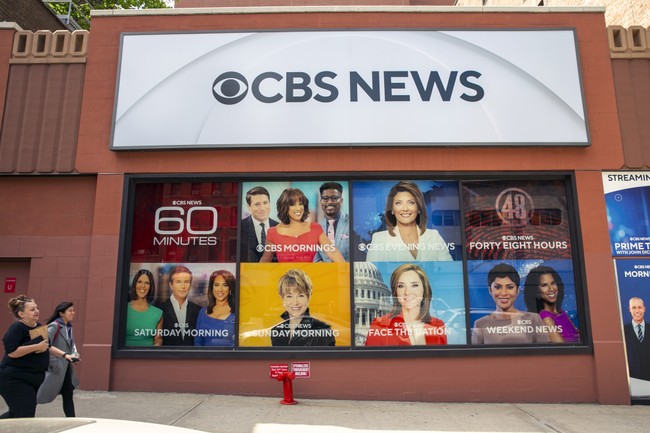
The CBS News 60 Minutes segment about the CECOT prison and illegal immigration was pulled by editor-in-chief Bari Weiss after internal concerns about sourcing and balance, including apparent omissions of current responses from the Trump administration and other agencies; this article lays out what was missing, why the pull was justified, and how the episode highlights media bias that ignores victims like Angel Parents while favoring a narrative sympathetic to illegal migrants.
CBS News’ editor-in-chief decided the 60 Minutes piece was not ready and removed it from airing after reviewing the reporting. The move sparked outrage on the left, but the concerns were straightforward: the story lacked up-to-date responses from key government voices and failed to meet the outlet’s own standards. That kind of editorial housekeeping is exactly the kind of responsibility newsrooms should practice when reporting on emotionally charged issues.
Inside the newsroom, correspondents apparently described the government as “silent,” yet records show the production team had received replies from the Department of Homeland Security, the State Department, and the White House. One of those responses was a roughly 300-word statement from DHS Assistant Secretary Tricia McLaughlin, which was not incorporated into the broadcast. Ignoring available official responses undermines any claim of fairness and leaves viewers with a one-sided narrative.
The White House response, which was reportedly available to producers, shifted the focus away from portraying migrants primarily as victims and toward the Americans harmed by criminal illegal entrants. That perspective is central to the conservative view: government reporting should reflect consequences for citizens and victims, not just the circumstances of those crossing the border. When mainstream outlets omit that angle, it reinforces a media bent toward sympathy for migrants and neglect for affected American families.
The statement from White House spokesperson Abigail Jackson said, according to the New York Times, “60 Minutes should spend their time and energy amplifying the stories of Angel Parents, whose innocent American children have tragically been murdered by vicious illegal aliens that President Trump are [sic] removing from the country.”
Where were the Angel Parents in the liberal press’s reporting? Too often those voices end up on conservative sites or in official White House statements rather than as central parts of network pieces. Angel parents like Agnes Gibboney, who speaks about “real family separation,” are examples of Americans whose suffering deserves coverage equal to any sympathetic depiction of migrants. Leaving those stories out creates a distorted sense of who is hurt by broken immigration policy.
The version of the segment that aired in Canada apparently leaned on older comments, including an outdated remark from White House Press Secretary Karoline Leavitt and a previous quote from President Donald Trump praising El Salvador’s prisons. Those stale soundbites could not answer the specific points raised by the new reporting, nor did they supply the contemporaneous context viewers needed to judge the piece. Journalistic integrity demands current responses, not cherry-picked past praise.
Bari Weiss’s decision to demand more balance and to overhaul editorial standards across CBS News shows is a sensible correction. Bringing consistent procedures and clearer standards into play will force better sourcing and make journalists answer hard questions about omissions. Expect critics to howl about “censorship” or “right-wing pressure,” but real accountability benefits viewers who deserve accurate, contextual reporting.
Missing official responses and failing to include voices of victims turns powerful reporting into propaganda by omission. News consumers should demand that media outlets present the full range of relevant facts, especially when stories involve law, borders, and victims of violent crime. Until newsrooms stop privileging narratives over comprehensiveness, editorial interventions like this pull will keep happening.
The episode is also a reminder for conservative observers that internal reforms at legacy outlets can produce better coverage when they insist on balance and standards. Tough, consistent editing that forces inclusion of official responses and victim perspectives reduces the opportunity for one-sided pieces to shape public opinion. That matters when policy debates about immigration and public safety are at stake.
For now, the key takeaway is simple: good journalism requires current sources, fair presentation of all affected parties, and accountability when a story falls short. The pulled 60 Minutes segment failed those tests, and the fix was necessary to restore basic journalistic fairness in a story that touches on crime, immigration, and grieving American families.


Add comment