
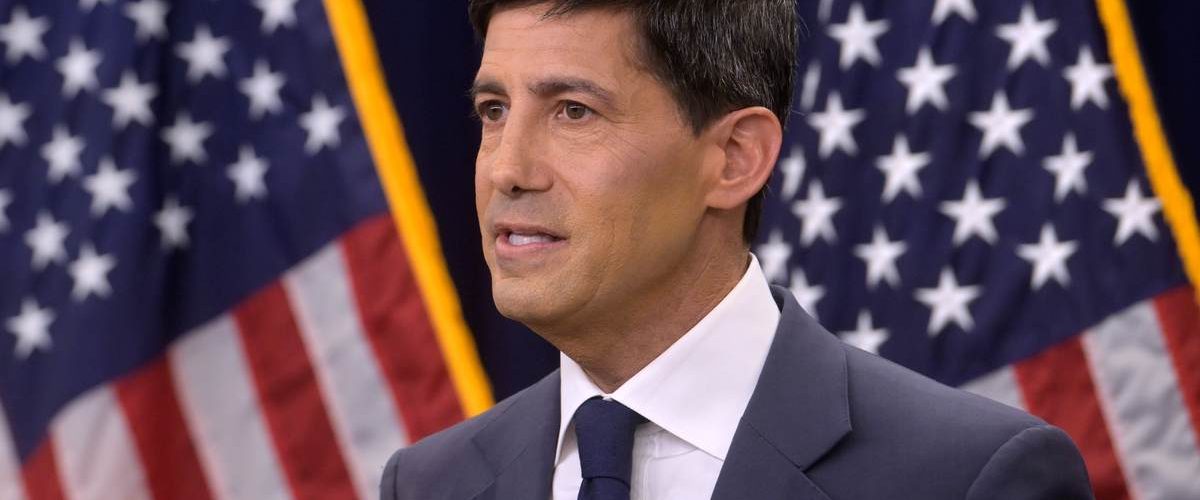
Kevin Warsh used his first major speech since becoming Federal Reserve chair to lay out a firmer view on inflation and monetary policy, telling fellow policymakers that tackling persistent price pressures is the Fed’s central duty and signaling a willingness to use interest rates decisively if needed.
Warsh Makes ‘Most Extensive’ Comments on US Economy Since Becoming Fed Chair
Kevin Warsh addressed the Fed’s annual conference in Wyoming and delivered his most comprehensive public remarks since taking the chairman role in May. He framed the current economic picture around elevated inflation, shifting financial conditions, and geopolitical risks that can push prices higher. Attendees heard a clear prioritization of inflation control as the primary mission for the central bank. The tone of the talk marked a shift from ambiguity toward a more hawkish posture.
Warsh told the conference that the Fed must be accountable for inflation that has run above target for an extended period. He highlighted a long stretch of overshooting the 2 percent goal and stressed that restoring credibility requires action when necessary. That accountability was positioned directly on the central bank’s shoulders, reflecting a desire to be judged by results rather than rhetoric. The remarks aimed to reassure markets and policymakers that the Fed understands the problem and intends to address it.
He also emphasized that the path of inflation has been influenced by major external developments, including a protracted war in the Middle East and shifts in Treasury yields that have changed market conditions. Those risks, Warsh suggested, complicate the Fed’s task and could require a more assertive policy response. He reiterated that the tools at the Fed’s disposal remain centered on short-term rates and balance sheet decisions. The message was clear: the Fed is watching a range of indicators and will act to bring inflation back in line.
Quoted in prepared remarks, Warsh said: “The responsibility for 65 months of sustained, elevated inflation sits squarely with the central bank — and that is where it belongs,” adding that his “standard…[is that The Fed] must be confident that underlying inflation is moving to our objective, clearly and at sufficient speed.”
“Otherwise, we have work to do,” Warsh said.
Observers noted that Warsh’s language at the conference was more direct than comments earlier in the summer, marking a shift from describing financial conditions as uneven to a firmer focus on price stability. Analysts have read that shift as a signal the Fed chair feels compelled to act if incoming data shows inflation is not trending toward the 2 percent target. He pushed back against critics who questioned his credibility after a July news conference and sought to anchor expectations by emphasizing accountability. The repeated insistence on measurable progress signaled a lower tolerance for lingering price pressures.
Another passage of his prepared remarks reiterated the broad story inflation measures are telling about the economy. He noted consumer price measures, offering the numeric context that inflation remains above goal and that multiple gauges point in the same direction. The implication is that the Fed must interpret imperfect data sets consistently and make policy choices based on the overall trend. That approach reduces the chance that a single report will derail a carefully considered plan.
https://x.com/YahooFinance/status/2093371916698468360
One broadcast analyst described Warsh’s Jackson Hole talk as a “more hawkish reading of the economy” than his July remarks. The analyst highlighted the chair’s renewed emphasis that short-term interest rates are central to achieving the Fed’s dual mandate and that the central bank will not shy away from using them. This comment aligns with Warsh’s insistence that the Fed’s credibility hinges on delivering results, a standard he repeated when confronting critics. By linking rates directly to the mandate, Warsh narrowed any ambiguity about the Fed’s willingness to tighten policy if needed.
Warsh addressed criticisms that he would be reluctant to raise rates quickly by plainly stating that short-term interest rates are the predominant tool to achieve the dual mandate. That was offered as a corrective to prior impressions and as a signal to markets that rate policy remains the first resort against inflation. He also framed the Fed’s approach as deliberate and calibrated, rejecting both panic hikes and complacency. The underlying message was that the Fed would move with purpose when the data warranted it.
Throughout, Warsh acknowledged the limits of individual inflation gauges while insisting they converge on the same conclusion: inflation remains above the Fed’s 2 percent objective. He stressed the need for confidence that underlying inflation is moving clearly and fast enough toward target before dialing back policy pressure. Those conditions will guide any decision to ease or tighten policy from here. Market participants left the conference with a clearer sense that the Fed is prepared to act to restore price stability.


Add comment