
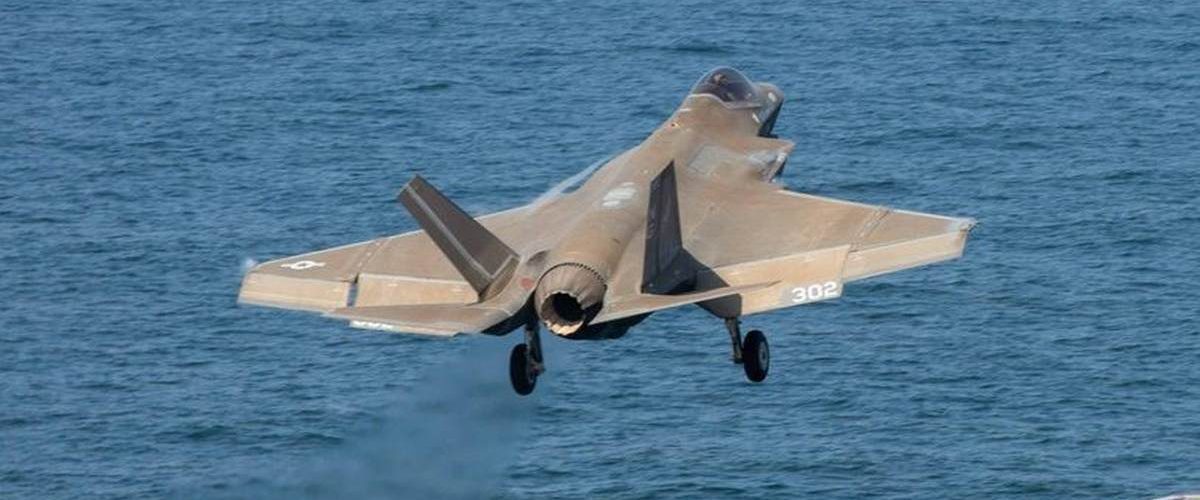
The U.S. Central Command commander and senior officials laid out recent, concrete gains in the Strait of Hormuz: mine clearance, escorted shipping, and pressure on Iran’s finances and exports, with military and economic tools working together to protect global energy flows and punish Tehran for its aggression.
Admiral Brad Cooper described a major milestone: international shipping lanes in the Strait of Hormuz have been cleared of sea mines that Iran’s Islamic Revolutionary Guard Corps laid months ago. Clearing those lanes required coordinated action across naval, special operations, and air assets, and it restored safe passage where commerce had been threatened. That clarity matters for global markets and for the credibility of U.S. military power in the region.
He highlighted the teams involved: U.S. Navy divers, Navy SEALs, and U.S. airpower all played roles in the operation to remove explosive hazards. “The circumstances were challenging and dangerous, to say the least, but we got the job done,” he said. Those words underline the risk taken by service members and the determination behind the mission.
https://x.com/CENTCOM/status/2093131928023023729
The scale of the effort is significant: almost 1,500 ships were assisted through the strait, moving roughly 750 million barrels of crude oil for global energy markets. That volume is not rhetorical—it represents a major chunk of energy flows that power economies around the world. Ensuring those shipments moved safely reinforced the United States’ role as a security provider for international trade.
In addition to escorting legitimate shipping, U.S. forces turned away and interdicted vessels that sought to evade the blockade aimed at denying Iran illicit revenue. According to officials, 75 vessels were turned around and three were disabled after failing to comply. Those actions sent a clear message: attempts to flout international rules and support a hostile regime will be met with direct, decisive response.
Treasury Secretary Scott Bessent announced that 130 million barrels were exported in just the prior two weeks under what he called Operation Economic Outcast, a campaign designed to squeeze Tehran’s financial ability to fund malign activity. The stated goal is blunt: to further weaken the regime economically while ensuring energy markets remain stable. This is economic pressure paired with military enforcement, not a haphazard policy, and it’s delivering measurable results.
U.S. sanctions and interdiction efforts have coincided with a sharp decline in Iran’s economic position, including a record low for the Iranian currency. Cutting off lifelines and restricting exports are intended to accelerate economic strain on the regime and limit its capacity to finance proxies and destabilizing actions across the region. Those outcomes are part of a larger strategy to compel more responsible behavior or to degrade the regime’s reach.
Leaders framing the narrative stress both the operational success and the broader strategic aim: protect commerce, deter aggression, and shrink Iran’s ability to export instability. The combination of mine clearance, escorted convoys, interdictions, and economic measures is built to be cumulative and to impose real costs. From a Republican viewpoint, this approach demonstrates strength and purposeful use of power rather than hesitation.
Military commanders emphasized the complexity of coordinating units across domains to secure the strait and keep it open for lawful traffic. That coordination reflects lessons learned from past crises and a refusal to allow Iran to weaponize a chokepoint that international trade depends on. It also sends a warning to other actors that attempting to disrupt global commerce will be countered by integrated U.S. capabilities.
Officials noted the humanitarian and market benefits of reopening and securing transit routes: stable oil flows limit price spikes and protect consumers worldwide, while safe passage reduces the risk to seafarers and commercial operators. Bringing predictable conditions back to a volatile waterway is both a practical outcome and a strategic deterrent. The message is straightforward: the United States will act to keep critical sea lanes open and to hold bad actors accountable.


Add comment