
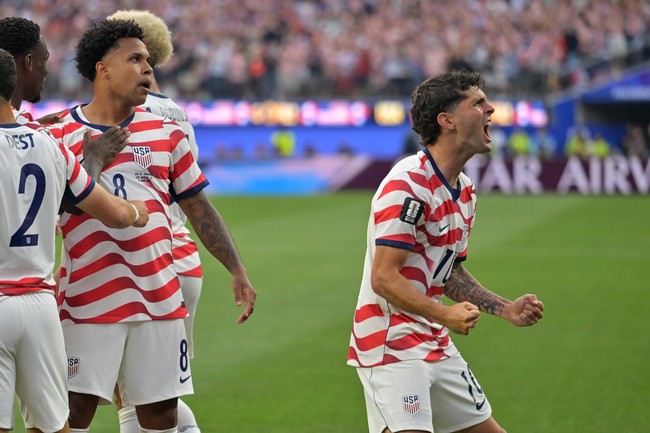
The U.S. Men’s National Team faced a difficult match against Belgium after a red card for Folarin Balogun was issued and then overturned by FIFA, a sequence that dominated headlines and may have affected the team’s focus. This article reviews the controversy, the match events, and postgame reactions while keeping the core facts intact.
The controversy began with a red card shown to U.S. forward Folarin Balogun, which would have sidelined him for the next match. FIFA later reversed the suspension, reopening debate about officiating, review processes, and outside attention surrounding the team in the days before the game.
Beyond the procedural uproar, the situation drew strong reactions from multiple quarters, with some observers publicly saying they would back Belgium in response to perceived interference. Those comments added a political undertone to what was otherwise a sporting dispute, and they amplified the noise around the squad heading into the match.
On the field, the USMNT struggled to replicate the level of play that had carried them through earlier rounds. From kickoff they looked off rhythm and below their usual intensity, committing turnovers and failing to sustain pressure. Belgium capitalized on those moments and converted them into decisive goals.
Folarin Balogun started but was not a central figure in the attacking build-up, contributing little in terms of threatening chances. The sequence of scoring saw Belgium open the account, the U.S. respond with an equalizer, and then Belgium pull ahead again with a second goal. That back-and-forth briefly suggested a game that could tilt either way, but momentum soon shifted away from the Americans.
https://x.com/TrueFactsStated/status/2074120233002942579?ref_src=twsrc%5Etfw
Belgium extended the lead with a third strike that proved decisive, and they later added a fourth to seal the outcome. Each conceded goal came after lapses in concentration or positional errors that the Belgian attackers exploited. Those moments underline the thin margins of tournament soccer, where a single misread can change a match’s trajectory.
The tactical battle exposed some recurring issues for the U.S. side: difficulty maintaining possession under pressure, split-second defensive miscommunications, and an inability to sustain attacking patterns once Belgium reorganized. These are solvable problems, but they require steady, focused work—especially with the heightened scrutiny that followed the red card reversal.
Mauricio Pochettino addressed the squad after the match and emphasized introspection over blame. He noted the team did not approach the game as they normally would and urged a review of processes and decisions to identify what went wrong. That kind of coach-led assessment is standard after elimination and aims to turn disappointment into growth.
The result ends the U.S. run in this World Cup and sends Belgium into the quarterfinals to face Spain. For the U.S. players and staff, the loss is a tough exit but also a learning point: their campaign showed moments of promise alongside areas that need improvement. The experience can inform selections, tactics, and preparation for the next cycle.
Public debate about off-field influence and the handling of disciplinary matters will surely continue, but the match itself hinged on execution and concentration during critical phases. Tournament soccer rewards teams that make the fewest mistakes on the biggest stages, and Belgium minimized errors while taking clinical advantage of chances.
Fans and analysts will unpack the refereeing and review decisions at length, but coaching staff will likely focus on practical adjustments: shoring up defensive communication, refining transition defense, and improving ball retention under pressure. Those technical fixes, paired with psychological preparation for high-drama environments, are typical takeaways from this kind of exit.
It was a disappointing night for a squad that inspired many during the tournament, yet the campaign also offered clear takeaways for development at player and team levels. Belgium advances, and the World Cup moves forward without the U.S. in contention, leaving room for reflection, evaluation, and planning for the future of the national program.


Add comment