
Checklist: I will explain how Iran tried to hide oil shipments by spoofing tanker identities, describe how U.S. forces detect and confront that deception, highlight the operational and strategic implications for Tehran, and emphasize the steadiness of U.S. pressure under current leadership.
The story here is a simple, uncomfortable truth for the ayatollahs: Iran tried to move about $800 million in crude by pretending its tankers were Iraqi ships, and the ruse failed. Their play relied on spoofing tracking systems and manipulating vessel identifiers to slip through a tightening ring of maritime enforcement. That kind of trick can fool machines for a while, but it cannot fool trained aviators and surface forces watching the water.
Electronic deception is cheap and tempting, and Iran has used it before to hide hostile activity and revenue streams. Spoofed Automatic Identification System signals and falsified registration codes make it look like ships are somewhere they are not, or that they belong to another country. Those tactics create headaches for maritime monitors, but they also create opportunities for the United States to catch them in the act with visual identification.
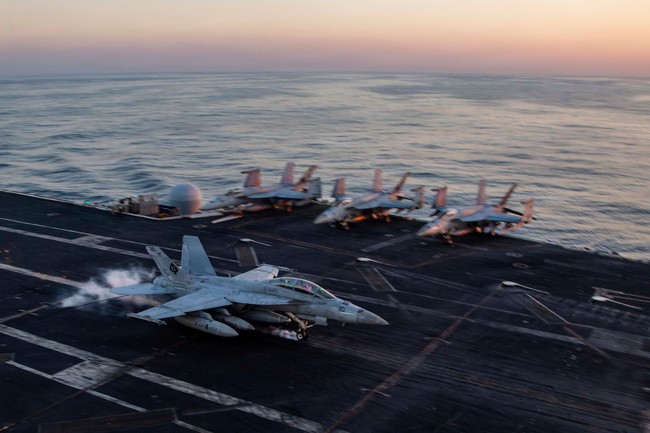
Visual confirmation matters. A Navy aviator in an F/A-18 or radar imagery from a reconnaissance asset can place a vessel in the wrong position and expose the lie. Once a ship’s reported location and its actual position diverge, the vessel becomes suspect and a lawful target for boarding and inspection. That forces the smugglers to choose between better forgery or more risk, and either way it tightens the chokehold on illicit trade.
The geopolitical picture is straightforward: cutting Iran off from oil revenue is the only reliable way to sap its regional reach. Pressure campaigns that close loopholes and follow the money work because they hit Tehran where it hurts. When policy converts to action — when enforcement is consistent and backed by credible force — the regime’s flexible evasion tactics start to break down and cost more to sustain.
Sanctioned tankers disguised as Iraqi vessels are moving hundreds of millions of dollars in Iranian crude as President Donald Trump doubled down on the port blockade to squeeze Tehran’s oil lifeline, according to maritime intelligence.
That quote nails the point: decisive pressure backed by tuned intelligence spoils the smuggling network. The current posture is not talk; it’s enforcement that compels adversaries to spend more on concealment while earning less for their plots. Maintaining that posture requires sustained assets on station and the willingness to follow through when deception is detected.
Operationally, the challenge is resource allocation and coordination. It won’t be trivial to check every suspicious tanker, but routing more surveillance and boarding capability to trouble spots changes the math. Iran can try to spoof signals, but it can’t make a U.S. aviator see what isn’t there and it can’t stop boarding teams from checking manifests and cargo holds when a vessel fails to match its electronic claims.
There is also a strategic ripple effect. When enforced consistently, interdiction reduces the payoffs for smuggling networks, discourages middlemen, and raises the political cost of sheltering illicit shipments. That pressure can shrink Iran’s war chest for proxy activities and buy time for other diplomatic and economic levers to work. The end goal is to make cheating more costly than compliance.
For the American side, the choice is whether to sustain the pressure and deny Iran easy revenue. So far, actions in the region show a willingness to back policy with presence and persistence. Keeping that posture demands clear rules of engagement, sharp intelligence-sharing with partners, and the flexibility to seize opportunities when deceptively flagged ships are exposed.
Iran will keep trying improvisations, but every exposed ruse forces it to rebuild trust in fewer and more expensive channels. That slow attrition favors a steady, pragmatic enforcement policy that preserves U.S. options and signals resolve. The message to Tehran is plain: attempts to game the system will be met by matching resolve and capability, not by endless negotiation without consequence.



Add comment