
The article reviews the surge in federal student loan defaults after court rulings blocked widespread cancellation, highlights who is most affected, and explains the Trump administration’s steps to pause involuntary collections, overhaul repayment options, and tighten forgiveness rules for certain nonprofits.
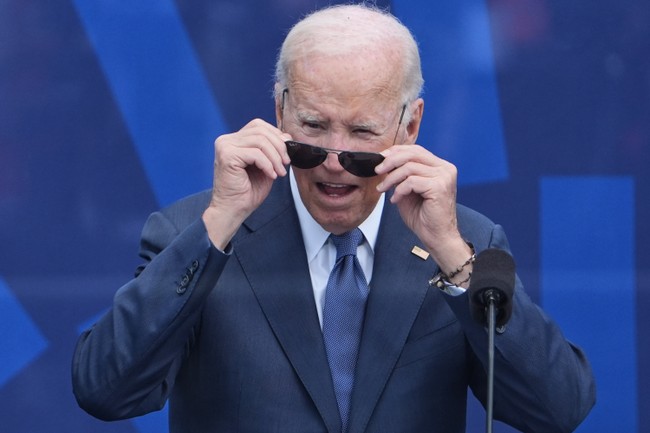
Joe Biden spent years promising broad student loan cancellation and repeatedly signaled relief to millions of borrowers, but courts curtailed those plans and the protections ended. When the final safeguards expired in fall 2024, defaults spiked and the long-promised relief never materialized for ordinary Americans. That policy whiplash left millions of working families facing consequences they had been told would not arrive.
Today about 9.5 million federal borrowers are more than nine months behind on payments, roughly one in five borrowers, a near doubling from 5.3 million just over a year earlier. Of the roughly $1.7 trillion in federal student debt, $233.3 billion sits in default. Those are not abstract numbers; they represent working people losing ground on credit, housing, and retirement because political theater replaced responsible policy.
Industry voices agree the pandemic was a factor, but they also point to the chaos from dangling cancellation as a major driver of the collapse in repayment behavior. “We take it seriously,” Altmire said. “It’s a real problem.” Politicians who promised sweeping forgiveness without legal authority created confusion and deferred tough choices until ordinary borrowers paid the price.
Borrowers from for-profit colleges were hit particularly hard, with 33 percent at least 90 days past due, more than twice the rate for graduates of public institutions. Many of the schools with the worst nonpayment rates are in the for-profit sector, which raises questions about accountability and the value delivered for taxpayer-subsidized loans. These borrowers are not elites; they are people who took a chance on training or education and ended up with debt that didn’t translate into reliable earnings.
The highest default rates are concentrated in Southern states and territories where many voters were promised relief that didn’t show up. Mississippi leads at 28.3 percent, followed by Louisiana, Alabama, West Virginia, Oklahoma, Georgia, South Carolina, and Texas. Puerto Rico’s rate reached 30.9 percent, higher than any state, illustrating how regional economic realities intersect with education policy failures.
The Trump administration has acted to give struggling borrowers room to recover by temporarily pausing involuntary collections such as wage garnishment and Treasury Offset seizures. That pause is not forgiveness; it’s a breathing space so people can get back on track without being immediately stripped of wages or benefits. Credit reporting consequences may still occur for those in default, so the relief is limited but practical.
Alongside the pause, the administration is scrapping the Biden-era SAVE plan and simplifying repayment options under the Working Families Tax Cuts Act. New borrowers face a choice between a single standard plan and one income-driven option, replacing a convoluted menu of programs. Millions currently enrolled in SAVE face a deadline: 90 days from July 1 to select a different plan or be placed into standard repayment, which could raise monthly payments for some.
The revised income-driven option eliminates unpaid interest for borrowers who make required payments even when those payments don’t fully cover accrued interest, and it restores a clearer rehabilitation path for those already in default. For many struggling families, these changes aim to balance affordability with fiscal responsibility, avoiding open-ended promises that shift costs onto taxpayers without improving outcomes.
There’s also renewed scrutiny on Public Service Loan Forgiveness, which cancels remaining federal debt after 120 qualifying payments for certain government and nonprofit workers. The Southern Poverty Law Center and the Coalition for Humane Immigrant Rights have both appeared in discussions about eligibility, sparking controversy over whether activist nonprofits should qualify if they pursue activities that conflict with federal law. That debate feeds wider frustration among hardworking borrowers who say fairness matters.
The administration finalized a PSLF rule in October 2025 that bars forgiveness for organizations engaged in activities with a “substantial illegal purpose,” explicitly including violations of federal immigration law. That change makes eligibility for forgiveness a legal, not merely bureaucratic, question, and it shifts the focus to whether taxpayer-funded forgiveness aligns with lawful public service. For voters who watched promises evaporate while defaults rose, tightening the rules feels like correcting an obvious imbalance.
Under Secretary of Education Nicholas Kent placed responsibility for the current mess squarely on the previous administration. “After the Biden Administration misled borrowers into believing their student loans would not need to be repaid, the Trump Administration is committed to helping student and parent borrowers resume regular, on-time repayment, with more clear and affordable options, which will support a stronger financial future for borrowers and enhance the long-term health of the federal student loan portfolio.”
Repairing trust will take time, clarity, and consistent enforcement. The policy shift now emphasizes accountability for schools, targeted relief for borrowers who truly need it, and limits on blanket forgiveness that masks policy failures. Millions are living with the fallout, and the reforms underway aim to prevent a repeat of political promises that only pushed the bill into the future.


Add comment