
The Supreme Court struck down the administration’s use of emergency powers for broad tariffs, and President Trump moved fast with lawful alternatives, a new 10 percent global tariff proclamation, and fresh trade investigations to protect American industry and revenue.
The Supreme Court issued its decision in Learning Resources, Inc. v. Trump and Trump v. V.O.S. Selections, Inc., finding that the International Emergency Economic Powers Act does not authorize the president to impose the tariffs. Chief Justice John Roberts wrote the 6-3 opinion, with Justices Clarence Thomas, Samuel Alito, and Brett Kavanaugh dissenting. That ruling forced the administration to pivot quickly from emergency authority to statutory trade tools.
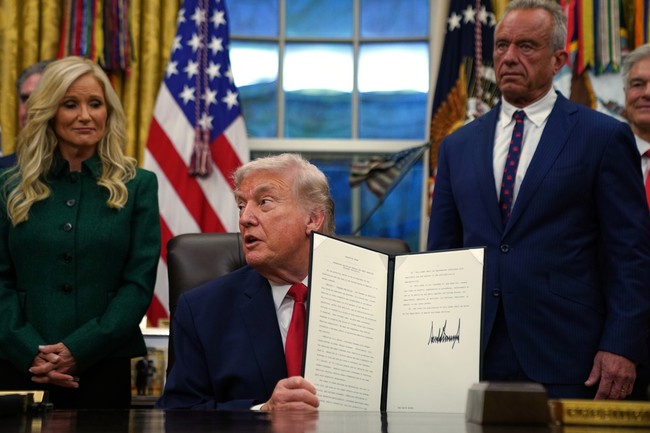
President Trump addressed the decision at a White House press conference and on social media, laying out the administration’s next steps. He made clear the goal remained the same: defend American workers, stop unfair practices by other countries, and keep tariffs as a tool to protect national interests. The administration signaled it would use targeted sections of existing law and trade investigations to maintain pressure on foreign competitors.
Among the measures the president mentioned were invoking sections of the Trade Act and launching Section 301 probes into unfair and discriminatory acts. He also indicated an immediate move to sign a proclamation imposing a 10 percent global tariff on imports starting Feb. 24, for a 150-day period. These steps reflect a willingness to use clear statutory authority rather than emergency powers that the court rejected.
It is now official with the White House of a new proclamation in which the president “invok[es] his authority under section 122 of the Trade Act of 1974” to impose the 10 percent tariffs. That proclamation aims to create a predictable, lawful foundation for trade action and to restore a revenue stream that supports American priorities. The switch to section 122 also frames the action as an executive move grounded in Congress’s trade statute.
The president signed a separate executive order that “reaffirmed and continued the suspension of duty-free de minimis treatment for low-value shipments, including goods shipped through the international postal system, which will also be subject to the temporary import duty imposed under section 122.” That focuses enforcement where low-value, high-volume imports have harmed U.S. retailers and manufacturers. It also targets commonly exploited loopholes that undermine tariffs’ effectiveness.
In addition, the White House said the president “has directed the Office of the United States Trade Representative to use its section 301 authority to investigate certain unreasonable and discriminatory acts, policies, and practices that burden or restrict U.S. commerce.” Section 301 investigations can produce remedies tailored to specific unfair trade practices and give the administration flexibility to respond. This is a conventional, congressional framework that conservatives can support for defending American industry and jobs.
Pres. Trump shared the news in a post on Truth Social, :
It is my Great Honor to have just signed, from the Oval Office, a Global 10% Tariff on all Countries, which will be effective almost immediately. Thank you for your attention to this matter! PRESIDENT DONALD J. TRUMP
The president also on the decision in a thread. First, he wrote:
“Those members of the Supreme Court who voted against our very acceptable and proper method of TARIFFS should be ashamed of themselves. Their decision was ridiculous but, now the adjustment process begins, and we will do everything possible to take in even more money than we were taking in before!”
Then he continued, promising that the “new tariffs…are on their way!”:
This reaction shows a typical conservative approach: respect the court’s ruling while swiftly deploying lawful trade tools. The administration emphasized that it will continue defending American manufacturers and suppliers through statutory means rather than relying on emergency proclamations. That promise signals a continued focus on profit for American businesses and protection for working families.
Critics of the move will call it stubborn or disruptive, but supporters will point to the consistency of purpose. The administration argues that tariffs and trade enforcement are levers to restore fair competition and correct long-standing imbalances. For Republicans who prioritize jobs, industry, and national strength, these measures represent practical, enforceable policy choices.
The story is unfolding, and the administration has laid out a clear legal path for its next trade actions. By invoking section 122 and initiating section 301 investigations, the president has created a framework that aims to be both lawful and effective. Expect implementation to focus on shielding American industries and reclaiming revenue streams that benefit the country.


Add comment