
The Silence of the Lambs still sits in movie history as a rare awards sweep and a cultural touchstone, but a recent interview with actor Ted Levine has stirred debate by questioning how the film’s depiction of Buffalo Bill holds up today. The actor says aspects of the role don’t age well and that the portrayal harmed transgender people, prompting a conservative take that defends the film as a depiction of psychopathy rather than a statement about gender identity. This article revisits the film’s legacy, Levine’s comments, the original creators’ intent, and why some think modern outrage misses the point. It keeps the original quotes intact while reassessing the conversation from a skeptical, conservative perspective.
Silence of the Lambs Actor Trashes 35-Year-Old Classic for Not Living Up to Today’s Woke Sensibilities
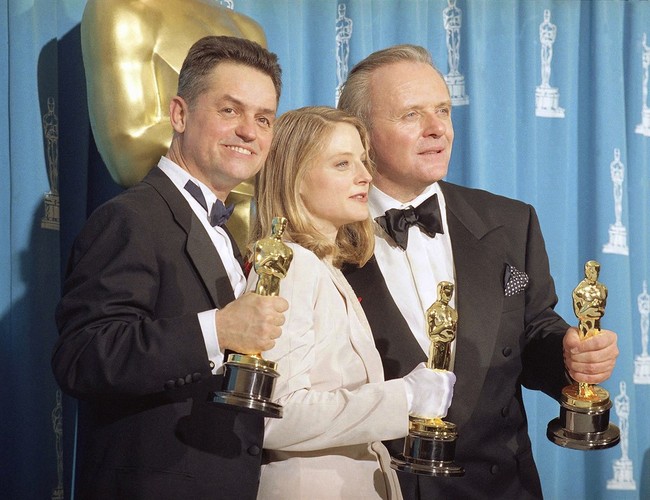
The Silence of the Lambs blew audiences away decades ago and took home the top Academy Awards, including Best Picture, Best Director, Best Actor, Best Actress, and Best Adapted Screenplay. Only two other films have achieved that sweep, so its place in cinematic history is secure. That makes Levine’s recent walk-back of the character Buffalo Bill all the more striking to those who view this as retroactive guilt.
Ted Levine, who played the killer Buffalo Bill, said in a recent interview that “There are certain aspects of the movie that don’t hold up too well.” That line has been amplified as evidence the film somehow endorses harmful stereotypes. The conservative response is to point out that a terrifying onscreen villain does not equal a manifesto against an entire community.
The Buffalo Bill character was and remains framed as a violent, pathological criminal who murders to harvest skin. When viewers and critics discuss the role, many of us remember it as a portrait of disturbed behavior, not a commentary on transgender people. There are those who still insist the character was read as trans or gender-nonconforming, but intent and depiction are different things.
Levine himself clarified how he approached the role: “I didn’t play him as being gay or trans. I think he was just a f——up heterosexual man. That’s what I was doing.” That exact phrasing matters because it shows the actor saw the character as deeply ill in ways unrelated to gender identity. When creators and actors emphasize aberrant psychology, that context should temper modern reinterpretations.
The filmmakers also pushed back on the idea the story was meant to target transgender people. “We were really loyal to the book. As we made the film, there was just no question in our minds that Buffalo Bill was a completely aberrant personality — that he wasn’t gay or trans.” Those words from production insiders reinforce that the source material and the adaptation presented Buffalo Bill as a pathology rather than a political statement.
Decades have a habit of changing how we read art, and today’s social lenses are different from those of the late 1980s and early 1990s. Still, historic works often reflect fears, tropes, and storytelling priorities of their time without necessarily endorsing them. It is reasonable to critique portrayals that hurt marginalized groups, but it is equally reasonable to protect the right to depict monstrous characters without labeling every dark story as an attack on an identity.
Some modern critics argue the film “vilified” transgender people, and Levine went further when he said, “It’s unfortunate that the film vilified that [transgenderism], and it’s f——- wrong. And you can quote me on that.” That quote expresses regret about unintended real-world consequences, but it also opens a debate about whether the film actually described transgenderism or simply showed a damaged individual.
The book and movie include a specific line intended to limit misreading: “Billy is not a real transsexual, but he thinks he is.” That line, and Hannibal Lecter’s analysis that the killer’s issues stem from “a pathological hatred of himself,” underscore the story’s framing around psychological disturbance, not gender politics. Those explicit lines deserve to be part of any discussion about intent and impact.
Calling for blanket cancellation of older works because they make modern viewers uncomfortable can set a dangerous precedent for art and criticism. Films are cultural artifacts that need context, not automatic erasure. A conservative perspective tends to favor defending artistic expression, especially when the creators and the source material make clear distinctions between psychopathy and identity.
Reassessing a film is fair, and acknowledging harm is important when it exists. But retroactive denunciation that ignores the creators’ intent and the story’s explicit content feels performative. Levine’s comments prompt a useful conversation about responsibility in storytelling, but they should not rewrite the record about what the film actually portrayed or how its characters were conceived.
Audiences can disagree without demanding destruction of a classic. The Silence of the Lambs remains a study in horror and criminal minds, and that genre assignment matters when interpreting characters like Buffalo Bill. Critique is welcome, but let it be grounded in the text, the creators’ words, and an honest appraisal of whether the art attacked a group or depicted a deeply disturbed individual.



This is all bullshit! The story was based on a real life psychopathy individual which has nothing to do with gender or identity politics and that’s the wrong here and in society today! How certain individuals or groups take anything they want and twist or concoct it into something it’s not just to use the matter to gain attention, sympathy for or promote their cause! Now that is very sick and such people obviously need deep psychotherapy treatment!