
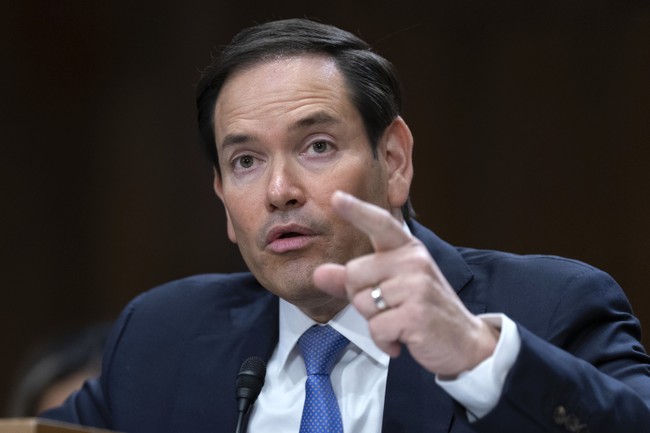
The Trump Administration, led publicly by Secretary of State Marco Rubio, has announced visa bans and potential expulsions for five foreign operatives accused of coordinating with U.S.-based actors and Big Tech to silence American voices, calling out what Rubio described as a “global censorship-industrial complex” and pledging tougher action against extraterritorial censorship efforts.
Secretary Rubio said Tuesday that five foreigners who pressured U.S. tech platforms to suppress American speech will be barred from entering the United States, and could be expelled under U.S. immigration law if they are already inside the country. The action is framed as a necessary defense of free speech and a rebuke to foreign actors who allegedly conspired with domestic organizations to target Americans. Rubio warned that the list could grow if others do not change course, signaling a broader crackdown on transnational censorship networks.
“For far too long, ideologues in Europe have led organized efforts to coerce American platforms to punish American viewpoints they oppose. The Trump Administration will no longer tolerate these egregious acts of extraterritorial censorship.”
“Today, @StateDept will take steps to bar leading figures of the global censorship-industrial complex from entering the United States. We stand ready and willing to expand this list if others do not reverse course.”
The five individuals targeted include a former European Union commissioner and leaders of European NGOs that call themselves digital safety or disinformation watchdogs. The administration describes their work — including rankings, flagging systems, public reports and petitions — as tools used to pressure platforms and governments into restricting American speech. Officials argue these groups weaponize regulatory regimes like the EU’s Digital Services Act to push platforms toward censorship beyond Europe’s borders.
Under Secretary of State for Public Policy Sarah Rodgers provided detailed descriptions of the actions that prompted the sanctions, listing each person and their alleged role. Those descriptions form the basis of the visa denials and potential expulsions, according to the State Department. The administration framed the moves as defensive steps to protect the First Amendment and prevent foreign governments and NGOs from shaping U.S. discourse via private platforms.
- Thierry Breton, identified as a central architect of the Digital Services Act, publicly reminded platform owners of legal obligations under European rules right before a high-profile livestream interview involving an American political figure. The administration says Breton used the DSA to threaten enforcement actions against platforms, effectively levered regulatory pressure into a tool that could stifle an American interview.
- Imran Ahmed, described as a key collaborator with U.S. governmental efforts to target American citizens, runs the Center for Countering Digital Hate (CCDH). Rodgers notes the group’s “disinformation dozen” campaign sought deplatforming of American figures and that internal documents allegedly listed priorities like “kill Musk’s Twitter” and triggering EU and UK regulatory action.
- Clare Melford, head of the Global Disinformation Index (GDI), is accused of monitoring and labeling websites for “hate speech” and “disinformation” in ways the administration believes can be used to blacklist American reporters and commentators. Rodgers says GDI accepted public funds and pushed policies such as the EU Code of Practice on Disinformation that expand content control internationally.
- Anna-Lena von Hodenberg, founder of HateAid in Germany, is described as an activist organization leader that the EU recognizes as an official “trusted flagger” under the DSA. The administration alleges HateAid routinely demands platform data and has circulated petitions urging stricter enforcement against what it labels “right-wing extremists” in online discussions ahead of U.S. and EU elections.
- Josephine Ballon, co-leader of HateAid and a member of Germany’s advisory bodies on digital services, is said to flag disfavored speech across Europe and advise on DSA enforcement. Rodgers cited Ballon’s remarks in a U.S. television interview where she stated, “Free speech needs boundaries,” and named her public calls to regulate platforms to curb what she calls the “emotionalization of debates.”
The administration pointed out that most Europeans travel to the United States under the Visa Waiver Program, which means many of the targeted individuals would be screened by the Department of Homeland Security before entry. That screening mechanism gives DHS the opportunity to bar admission or take other steps as needed, and officials suggested some of these subjects may already be flagged. The move also serves as a warning to NGOs and foreign officials who might try similar tactics in the future.
This action follows earlier measures taken by the Trump Administration against foreign actors accused of political interference, and the State Department framed the sanctions as part of a consistent posture: to push back against foreign meddling and protect American civic space from coordinated external pressure. The message is clear from the administration’s point of view — attempts to influence or suppress U.S. speech from abroad will be met with concrete consequences.

Add comment