
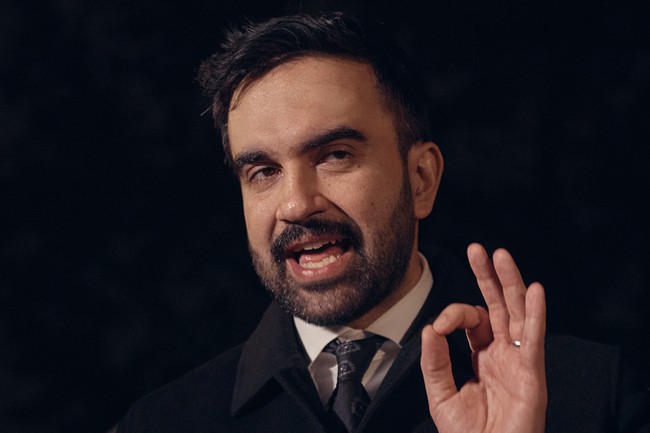
Mayor Zohram Mamdani’s interview after backing three far-left winners in New York City primaries raises clear alarms about where parts of the Democratic coalition are headed, how they justify radical policies, and what that could mean for the nation if this approach spreads beyond low-turnout local races.
What Mamdani Says About Socialists in New Interview Should Concern Us All
Zohram Mamdani went on ABC to explain the victories of three far-left candidates he supported, two of whom identify as socialists. He tried to frame their success as a product of grassroots energy and a new national vision, but his tone and talking points reveal more than he likely intended. The way he describes their growth should make conservatives and independents pay attention.
Mamdani argued that low-turnout primaries favor well-organized, highly motivated activist bases, and that Democrats have grown complacent about get-out-the-vote efforts. In his telling, that dynamic allowed far-left organizers to marshal supporters while the party establishment took general election dominance for granted. That explanation is technically honest, but it also underscores a strategic threat: disciplined fringe movements can win nominations and reshape party platforms.
During the interview he danced around questions about foreign policy and the existence of a state of Israel, using careful phrasing to avoid direct confrontation. He attempted to present himself as reasonable while sidestepping hard lines, which is a classic political tactic when controversial views risk alienating broader voters. That kind of linguistic finesse doesn’t erase the substance of the positions being normalized within parts of the party.
Mamdani even lumped the rise of these candidates into a broader historical narrative, tying their pitch back to the New Deal and suggesting a national appeal. He called their approach a “vision” that extends beyond the midterms and the 2028 cycle, implying this is more than just a local surge. Packaging radical ideas as a long-term, principled agenda is meant to soften their image, but substance matters more than rhetoric.
https://x.com/Acyn/status/2071253403322515733
When pressed about extremist remarks from one of the endorsed candidates, Mamdani responded by saying the candidate focuses on “working people” and the “politics of life.” Those exact phrases were offered as a defense for positions like abolishing prisons and open-border policies, which many Americans find alarming. Framing radical policy as compassion for everyday people is a rhetorical move designed to disarm criticism rather than address practical consequences.
ABC’s reporter recognized the friction between extreme policy proposals and broader voter sentiment, pressing whether positions like eliminating prisons or ending deportations could be acceptable to the Democratic coalition at large. Mamdani suggested policy disagreements are normal, but he also implied that the party can accommodate much more radical stances than most voters would tolerate. That attitude risks transforming the party into a vehicle for ideological experiment rather than pragmatic governance.
Public safety and border enforcement are fundamental responsibilities of government, not optional talking points for ideological debate. If basic institutions like prisons and deportation are portrayed as negotiable in broad strokes, it signals a willingness to undermine core aspects of law and order. Mamdani’s earlier statements questioning the purpose of prisons in 2020 only reinforce the concern that these ideas are not rhetorical one-offs.
He repeatedly used the phrase “big tent” to describe the party’s future, insisting a wide range of opinions can coexist under one banner. But the evidence from chants against party leaders and calls to purge moderates suggests that the tent is being pitched with stakes tilted leftward. When internal dissent becomes a rallying point for purging pragmatic voices, the big tent becomes a funnel toward ideological uniformity instead of pluralism.
Supporters of these candidates have already demonstrated aggressive behavior toward mainstream Democrats, even targeting House leadership with hostile chants. That kind of internal intimidation changes the incentives for elected officials and can push policy toward the extremes. If the movement gains traction nationally, it will reshape party dynamics and policy priorities in ways many voters did not sign up for.
All of this matters because winning primaries is how changes in party direction happen, especially in places where general elections are treated as foregone conclusions. The combination of low turnout, disciplined activist bases, and savvy messaging creates an environment where fringe candidates can win nominations and then claim legitimacy. Conservatives should be attentive and ready to highlight the consequences of radical experiments in governance.
Mamdani’s interview was polished and rhetorically careful, but polish doesn’t negate the policy content he and his allies are promoting. The strategy is to normalize radical ideas by reframing them as compassion, vision, or historical continuity, and that packaging can be persuasive if left unchallenged. Observers on all sides should weigh the practical effects of these proposals, not just their public relations spin.



Add comment