
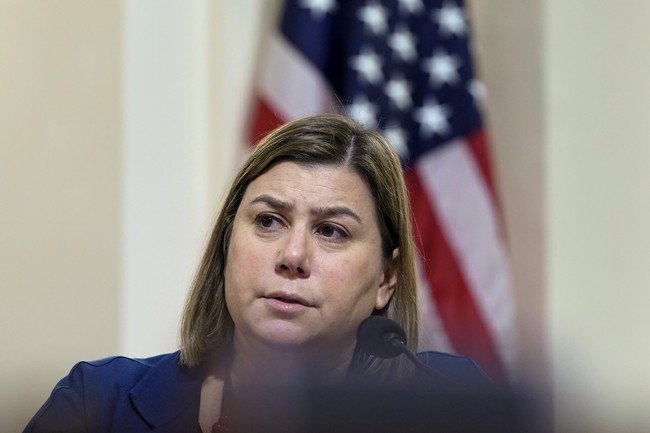
I’ll explain the spat inside Michigan’s Democratic ranks, highlight what Elissa Slotkin actually said, show how fellow Democrats and the Congressional Black Caucus reacted, and lay out why this intra-party drama could matter for the 2026 Senate picture in Michigan.
Michigan is roasting in more ways than one, and one of those is a political heat wave inside the Democratic Party. Elissa Slotkin made comments about the need for new leadership and immediately drew backlash from House Democrats and the Congressional Black Caucus, even though she is not a 2026 candidate. That public pushback reveals fissures that could echo into the statewide Senate fight as candidates jockey for position and endorsements. The episode shows how fragile party unity can be when leaders start publicly questioning the status quo.
Slotkin’s point, as she laid out on a podcast, was blunt: the party needs fresh faces because the “old models are not working.” That line landed in a sensitive place given recent electoral losses, and some Democrats took it as a shot at current House and Senate leadership. When a sitting senator criticizes national leaders, it invites both political calculation and personal defense from colleagues who see the remark as damaging or opportunistic. These are not abstract debates; they affect fundraising, endorsements, and who shows up on stage at crucial campaign moments.
Democratic U.S. Sen. Elissa Slotkin is taking heat from the Congressional Black Caucus and a couple of Michigan Democrats for suggesting both the Senate and House need a new generation of leaders because “the old models are not working.”
Her remarks on Stephen A. Smith‘s podcast on SiriusXM last week prompted pushback from House Democrats, including the chair and former chairs of the Congressional Black Caucus, who accused Slotkin of “posturing for higher office in 2028.”
Slotkin of Holly on the podcast suggested the Democratic Party hasn’t recovered from getting “shellacked” in the 2024 election.
The interview with Stephen A. Smith is a smart media move if you’re trying to reach a big audience, but it also strips away the usual cautious backstage politicking. Smith is a high-profile host with a wide reach, and when Slotkin framed the problem as a generational leadership failure, she put the conversation squarely in public view. Public critique from within the party rarely stays private, and in this case it prompted quick, visible rebuttals from prominent Michigan figures.
That backlash included Haley Stevens, who is in the Senate primary to replace Gary Peters, and Debbie Stabenow, who responded defensively on behalf of House leadership. They framed Slotkin’s comments as unfair or self-serving, with some suggesting the timing looked like a bid for future office. When colleagues publicly defend Hakeem Jeffries and the existing leadership, it signals an organized resistance to any attempt to reshape the party around new faces right now.
Slotkin’s exact words in the later part of the interview underline why people reacted: “We have literally found ourselves in a situation where we just don’t have people who understand the moment and understand what leadership means,” she said. That quote reads as a direct critique of current leaders and invites interpretation that she is positioning herself for a larger role. In politics, perception is as powerful as policy, and a line like that will be dissected by allies and rivals alike.
The Congressional Black Caucus answered sharply, accusing her of failing to account for alleged past behavior and cautioning against weighing in on House Democratic leadership without addressing her own record. Their public rebuke carried weight because the CBC still controls access to key constituencies and media platforms when they choose to speak. For a senator, losing that support can complicate statewide efforts, especially in a competitive primary where endorsements and organizing matter.
“Before attempting to weigh in on House Democratic leadership, Senator Slotkin should account for her own role in enabling a racist administration …” the CBC said in a .
Republican observers and conservative outlets will enjoy watching Democrats snip at each other while their voters sort out candidates. For Michigan Democrats, this moment highlights the trade-offs between candid critique and party cohesion. The fallout may be short-lived or it could leave lingering resentments that factor into delegate slates, fundraising crowds, and who gets highlighted at conventions and debates.
When factions inside a party air grievances publicly, it rarely strengthens the brand heading into a major election. Whether this becomes a blip or a realignment depends on how leaders respond, how candidates seeking statewide office position themselves, and whether the media keeps spotlighting the divide. For now, the drama is real, the quotes are public, and the primaries are still coming. Slotkin’s remarks did exactly what controversy usually does: they forced a conversation that will be hard to unring.
https://x.com/theblackcaucus/status/2070670016190497141?s=46



Add comment