
The U.S. energy landscape is shifting fast: natural gas is poised to overtake petroleum as the nation’s primary fuel, supported by abundant reserves, improved extraction technologies, growing LNG exports, and gas plants that pair well with intermittent renewables. This piece outlines why gas is rising, how it complements other generation sources, the policy and pipeline debates underway, and why nuclear and future fusion still matter even as gas takes the lead.
For years I have argued that nuclear power belongs in America’s long-term energy mix, especially for high-demand installations like data centers. Small modular reactors could one day sit alongside large plants to supply steady, carbon-light baseload power, and I still view nuclear as essential even while the near-term trend favors gas.
Right now, natural gas is clearly the next big thing. The United States sits on vast recoverable reserves unlocked by fracking and horizontal drilling, and those resources have transformed the country into a net energy exporter. Technological progress on production and liquefaction has turned gas into a reliable export commodity and a domestic workhorse for power generation.
For 75 years, petroleum has been the energy source that has powered the U.S. more than any other. That’s about to change.
By the end of the decade, natural gas likely will surpass oil for the first time after the gap all but disappeared in 2025. This seismic shift will end a chapter that began in 1950, when petroleum ended the longstanding reign of another fossil fuel: coal.
“I say we probably cross that threshold within the next couple years, and by 2030, we will have a big lead on petroleum,” Toby Rice, CEO of top U.S. gas producer EQT Corp., said in an interview.
The transition from America being a nation powered by oil to one running primarily on gas shows how much the economics of cheap gas has reordered parts of the energy sector and pushed out competing fuel sources.
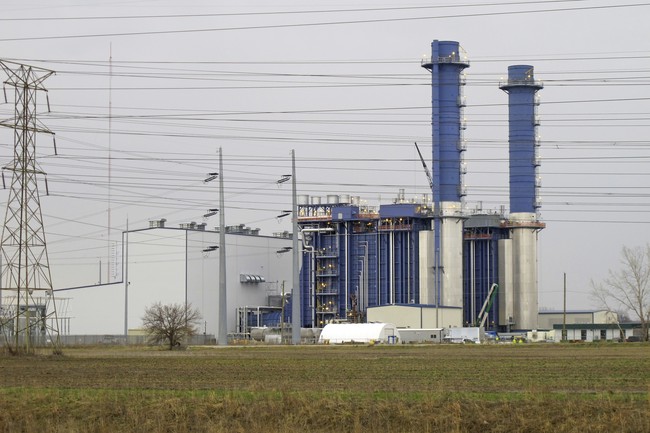
Natural gas combines several strategic advantages: it is dense, dispatchable, and cheaper than many alternatives. Gas-fired plants can ramp up and down quickly to fill the gaps when solar and wind fall short, making them ideal partners for intermittent renewables. That flexibility protects grid stability while allowing more variable clean sources to grow.
Export demand is reshaping domestic production too. The U.S. has become the world’s largest exporter of liquefied natural gas, and expansion of export capacity means feedgas volumes will rise. More outbound LNG strengthens American geopolitical influence by supplying allies, while also supporting prices that make continued investment in production economically viable.
The rise of wind and solar as significant contributors to U.S. electricity generation has also aided the development of gas-fired power plants, as gas facilities can ramp up and down more rapidly than coal and nuclear generators when intermittent renewable power drops.
Notably, the positioning of gas as a top U.S. energy source doesn’t account for the explosive growth of U.S. liquefied natural gas. The U.S. is already the world’s largest exporter of LNG, and shipments are set to roughly double by the end of the decade. Shell predicts U.S. feedgas for LNG plants will make up 23% of total U.S. gas production by 2035, according to its annual LNG outlook.
That growth creates political and regulatory friction. Big projects like the proposed Alaska natural gas pipeline require careful negotiation over funding, tax incentives, and state roles. Lawmakers and stakeholders will continue to hash out terms, and the debate over public support for infrastructure will be intense in statehouses and Capitol Hill alike.
Pipelines and export facilities will face scrutiny from environmental groups and local communities, and reasonable debate over permitting and responsible development should be expected. Still, sound policy can reconcile environmental concerns with the need for reliable, affordable energy and the strategic benefits of an export-oriented gas sector.
It’s also important to be realistic about the limits of wind and solar. Renewables are valuable, but they are intermittent and depend on storage or backup to deliver continuous power. Gas fills that reliability gap now, and until grid-scale storage or dispatchable zero-carbon options scale affordably, natural gas will remain critical.
Even as gas expands, nuclear retains a vital role for firm, low-carbon electricity. And while fusion promises a revolutionary future, it remains speculative for grid-scale use within the near term. I remain skeptical about fusion’s rapid arrival, but hopeful for practical nuclear innovation that reduces cost and construction time.
Policy that encourages responsible production, modernized infrastructure, and sensible export strategies will let America capitalize on its natural advantages. Natural gas’s combination of abundance, flexibility, and export value positions it to lead U.S. energy in the coming decade while other technologies evolve and mature.
Editor’s Note: Thanks to President Trump’s leadership and bold policies, America’s economy is back on track.



Add comment