
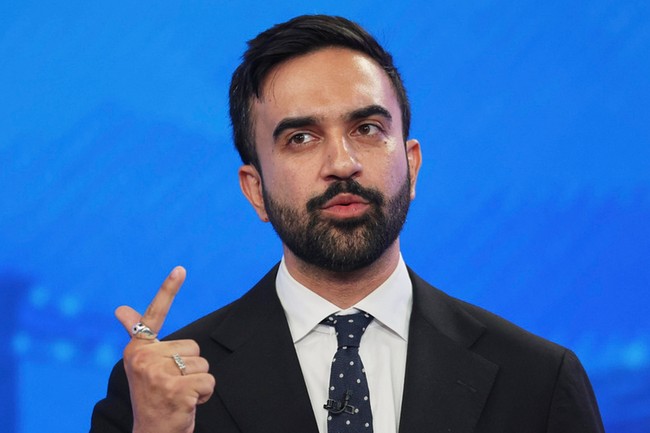
Mamdani’s preliminary Fiscal Year 2027 plan adds $14 billion in new spending while warning he might have to “balance the budget on the backs of working and middle-class New Yorkers.” This piece looks at the numbers, the history, the proposed fixes, and why the middle class is most likely to pay for it all.
New York City cannot print money like the federal government, so its books must balance every year or the city faces fiscal collapse. That reality is why the city constitutionally needs a balanced budget and why short-term fixes can only paper over deeper structural problems.
The city’s fiscal picture is grim: NYC Comptroller Mark Levine warns the city faces a “$2.2 billion budget shortfall for FY2026 and a projected $10.4 billion gap for FY2027.” Those shortfalls come as the city runs an enormous annual budget that has swelled in recent years without a matching population boom or economic base expansion.
To give perspective, recent budgets put NYC spending roughly in line with entire-state budgets elsewhere despite serving a much smaller population. From FY 2022 to FY 2025 the city budget grew at an average annual rate of 4.2 percent while total population barely increased, leaving taxpayers to shoulder rising per-capita expenditures.
History matters here because New York City has lurched toward fiscal crisis before. “In 1975, New York City ran out of money. For a decade, it had managed to pay for its hundreds of thousands of city employees and robust social services by taking on billions of dollars in debt. But eventually, investors were no longer willing to lend the city any more money. New York teetered on the edge of bankruptcy — the city shuttered more than a dozen firehouses, teachers went on strike, and garbage piled up in the streets,” as one account notes.
Today’s decisions matter because they determine whether history repeats. Mayor Zohran Mamdani inherited a difficult fiscal situation from his predecessor, but his response is to propose massive new spending while opposing meaningful cuts. That approach risks repeating the same pattern of borrowing and deferred reforms that led to past crises.
Mamdani’s budget uses short-term maneuvers that will not solve long-term structural deficits, including drawing nearly $1 billion from rainy day accounts and raiding retiree benefit trusts in the coming years. Those steps buy time but they also remove fiscal cushions that should be preserved for genuine emergencies.
The mayor also secured a temporary transfer of funds from the state for relief, but relying on Albany for recurring support is unstable and politically risky. Temporary state help does not change the underlying trajectory of spending commitments and rising pension and benefit obligations.
Meanwhile, the mayor’s wish list includes line items that expand recurring obligations: new mobile health units, large boosts to affordability programs, expanded food assistance, and major affordable housing preservation efforts. Those programs carry upfront costs and often require ongoing maintenance funding that adds to future budgets.
Mamdani pushes even bolder initiatives beyond those basics, including proposals for free transit, subsidized childcare, government-backed grocery stores, and a multibillion-dollar solar rollout at hundreds of public schools. Each of those items appeals politically, but they also add to the city’s fixed-cost burdens.
When cities expand recurring benefits, the fiscal burden usually lands on those with the least flexibility to leave: the working and middle class. The wealthy can relocate, but teachers, firefighters, small-business owners, and families tend to absorb tax increases and service cuts.
That dynamic explains why the mayor’s financing plan looks destined to shift more costs onto ordinary New Yorkers. In one blunt assessment, “Property taxes would be raised by 9.5 percent. This would effectively be a tax on working- and middle-class New Yorkers who have a median income of $122,000.” Passing those increases would squeeze household budgets already stretched thin by housing and other living costs.
City leaders are already pushing back on the idea of dipping reserves and hiking property taxes as a primary fix. Officials warn that an across-the-board property tax hike would be regressive and that depleting reserves now would leave the city exposed to future shocks without the ability to respond.
At some point, revenues must rise or spending must be reined in to cover growing pension costs and other fixed obligations. The politically realistic choices are uncomfortable: cut permanent programs, restructure labor and pension costs, or raise taxes that increasingly fall on middle-income earners and small businesses.
Given the mayor’s spending priorities and resistance to cuts, the likeliest outcome under his plan is higher recurring costs and pressure to extract more from working families. That trajectory risks undermining the very affordability arguments used during the campaign and threatens to push the city toward another fiscal reckoning.

That maniac luciferian Islamist Commie totally inexperienced in government administration or even thinking like a normal human being; is the sign of the beginning of the end for not just NYC but the entire state and nation as the planet goes bonkers toward Armageddon!
I wonder how many Mamdani voters were actually NYC property owners? How many “dead voters” were for Mamdani?
Great points!