
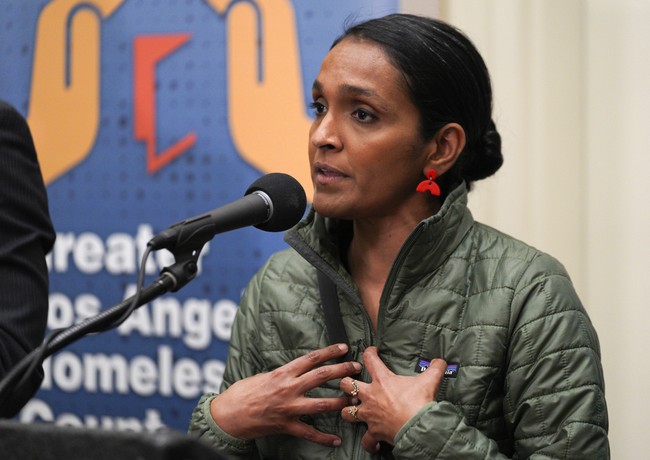
LA mayoral hopeful Nithya Raman sparked outrage with a proposal to restrict backyard barbecues during Red Flag fire warnings, and critics argue her priorities are misplaced given rising fires tied to homeless encampments and emergency response concerns. The debate performance by challenger Spencer Pratt shifted momentum, and controversy over city leadership’s actions before the Palisades fires keeps the story alive. This piece examines the BBQ proposal, debate fallout, competing council decisions, and the broader context of fire causes and city accountability. Embedded videos and quoted excerpts are included where they originally appeared.
At a recent Los Angeles mayoral debate, Spencer Pratt delivered a pointed critique of Nithya Raman that observers say damaged her standing. Pratt pressed Raman over her record and her rhetoric, framing the contest in stark terms that voters noticed. After the debate, polls and betting markets reportedly moved, indicating a shift in public perception.
Raman has faced sharp criticism over constituent interactions on the council, with at least one town hall where her response to residents’ safety concerns drew boos. Critics say that dismissing neighborhood fears about encampments near schools undermines trust and raises questions about priorities. Those reactions feed into the larger debate about public safety and elected officials’ responsiveness.
Raman proposed a motion asking city officials to study emergency restrictions on open flames during Red Flag Warning days, including potential limits on backyard barbecues, fire pits, and similar activities. The idea was presented as a wildfire-prevention measure during high-risk weather events. Opponents called the proposal tone-deaf and argued it would punish ordinary residents while doing little about the primary drivers of many urban fires.
One councilmember stepped in to block Raman’s motion and introduced a counter motion to remove any proposed barbecue limits. That opposing motion framed such a ban as disconnected from how families live and celebrate in Los Angeles neighborhoods. The dispute highlighted a split among local officials over how to balance risk mitigation and everyday freedoms.
Critics point to data showing a surge in fires tied to homeless encampments as evidence that policy focus is misplaced. A local report cited tens of thousands of incidents logged by the fire department since 2020, with more than 16,000 homeless-related fires in a single recent year, averaging 46 incidents per day. Observers say resources and political will should target encampment fire hazards and emergency response improvements instead of regulating backyard gatherings.
There is also renewed scrutiny over communications between city leadership and residents ahead of major fire events. A recorded phone call released publicly reportedly captures a resident warning Mayor Karen Bass about dangerous winds and dry conditions before a devastating Palisades fire. City spokespeople disputed the characterization of that conversation, saying it focused on unrelated law enforcement activity.
Debate takeaways and social media reactions have amplified the controversy, with opponents using footage and commentary to frame Raman as out of touch. Spencer Pratt’s campaign response leaned into that narrative, leveraging clips from the debate and public comments to underscore perceived failures. The public back-and-forth demonstrates how campaign messaging and policy proposals feed into voter impressions in close races.
Residents in hot inland neighborhoods note that summer temperatures and evening cooling make backyard grilling a practical choice, and they resent blanket restrictions imposed without clear links to major fire causes. Many people recall relying on outdoor cooking during heat waves when indoor ovens are impractical. For them, a potential ban felt like an overreach that missed larger public-safety problems.
Public safety advocates say practical steps the city can take include focusing on encampment fire mitigation, improving fire department staffing and response times, and enforcing safe practices where the greatest risks occur. Critics argue Raman, as a council member, has avenues to address those problems but has not prioritized them sufficiently. That perceived gap between rhetoric and action fuels voter frustration.
Embedded below are the original quoted extracts and media items referenced in public coverage of the debate, Raman’s motion, and related reporting. These include debate clips, social posts, and recorded conversations that shaped the narrative during the mayoral contest.
WATCH:
BOOED BY HER OWN VOTERS: Socialist Politician Says Drug Encampments Next to Schools “Don’t Matter” — Then Rolls Her Eyes
Watch this. Nithya Raman gets BOOED by her own constituents when she claims it “doesn’t matter” if homeless drug encampments are cleared out — or left right next to a school. Then she rolls her eyes like the people complaining are the problem.
This is exactly why Spencer Pratt must win.
These socialists are completely insane. They care more about protecting tents than protecting kids. No wonder everyone hates her.
Share this if you’re done with the madness. 🔥
After the debate shift, market watchers and pundits noted Raman’s position slipped while Pratt’s profile rose. Raman responded on podcasts and in interviews by warning about the risks of extreme political shifts, using heated language about rising political tensions. Opponents say those warnings came without concrete proposals to address everyday safety and infrastructure concerns.
WATCH:
Los Angeles mayoral hopeful Nithya Raman wanted to ban backyard barbecues for residents during certain high fire danger days across the city.
Raman introduced a motion Wednesday directing city officials to examine emergency restrictions on grilling during Red Flag Warning days, when high winds and dry conditions significantly increase wildfire danger across Los Angeles.
The proposal specifically asks officials to consider possible limits on backyard barbecues, fire pits and other open flames in residential neighborhoods during those high-risk weather events.
Local leaders and residents continue to spar over which policies will actually reduce fire risk while preserving daily life. The contest over barbecue limits became a lightning rod because it touched on freedom, safety, and where officials choose to apply restrictions. As the campaign moves forward, voters are watching which candidates propose enforceable, effective steps rather than symbolic gestures.
WATCH:
Here’s how the debate played out online, and how campaigns used recordings and clips to shape narratives heading into the ballots. The public will decide whether proposed restrictions, council actions, and leadership responsiveness add up to credible plans for keeping Los Angeles safe.
WATCH:


Add comment