
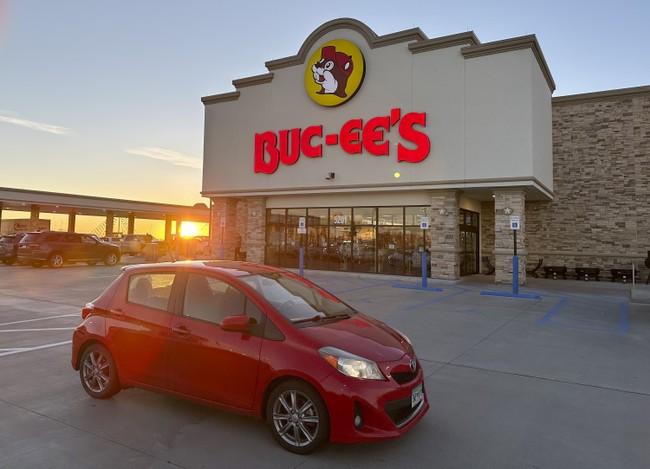
Buc-ee’s is expanding hard into new parts of the country, and this piece looks at where the chain is headed, why conservatives should applaud a booming, customer-first business model, what the experience is like for first-timers, and why Alaska still misses out despite solid local alternatives.
Buc-ee’s growth is a straightforward success story that lines up with pro-business values: expansion, jobs, and a model that customers clearly want. The chain’s travel plazas are becoming regional landmarks for families and drivers, and that popularity is driving new openings across multiple states. For conservatives who celebrate entrepreneurship and community-building, this is the kind of private-sector win worth noting. The announcement that Buc-ee’s will enter at least six new states signals real momentum, not just a marketing blip.
Some facts are neat and simple: Buc-ee’s currently lists dozens of locations and plans to nearly double its state footprint in the near term. The company is known for oversized travel centers, clean restrooms, and an enormous lineup of branded goods and food. Those elements come together to create a unique draw that pulls in tourists and local traffic alike, which turns a single store into a small economic hub. Where Buc-ee’s lands, other businesses and local workers often benefit from the increased foot traffic.
At least six states are slated to open their first Buc-ee’s locations by the end of next year, including two states expected to debut sites in the coming months of 2026.
The Texas-based gas station chain — known for its oversized travel plazas with clean restrooms and beaver-themed merchandise — is expected to open locations in Arizona and Arkansas later this year.
Buc-ee’s inaugural locations for next year also include Wisconsin, Louisiana, Kansas and North Carolina.
While the company’s website currently lists 55 locations across 12 states, the planned expansion would extend Buc-ee’s into 20 states.
The Texas connection remains central and sensible; Buc-ee’s grew out of a culture that prizes big hospitality and big barbecue. Texas still anchors the brand, and the company keeps adding locations inside the state as well as beyond it. That steady in-state growth plus aggressive out-of-state moves shows a confident company scaling a proven model. Fans of brisket and efficient pit stops should be happy with both the quality and the quantity of stores planned.
While six states are expected to receive their first beaver-branded mega travel centers under Buc-ee’s expansion plans, several states already home to the chain are also set for additional locations.
Texas will open its 37th Buc-ee’s site in July in San Marcos, the Austin American-Statesman reported.
If you’ve never stepped inside a Buc-ee’s, think of a place that combines a souvenir emporium, a gas station, and a small food court all under one massive roof. There are shirts, hoodies, caps, and plush beavers; there is beef jerky, candy, and a serious snack selection; and yes, there is barbecue brisket that fans swear by. The mix of merchandise and food has created a memorable brand experience that drives repeat visits and long lines of loyal customers.
Geography matters: southern states and much of the Midwest are the early targets, which makes sense given driving patterns and regional demand for large travel plazas. Some places still won’t see a Buc-ee’s anytime soon, and that’s fine—local operators fill gaps and sometimes offer regional specialties that Buc-ee’s does not. Alaska, for example, retains its own local chains that serve the state’s needs and tastes in ways a mainland giant might not replicate easily.
That regional flavor point is real: chains like Three Bears in Alaska answer local demand and even sell products Buc-ee’s doesn’t, such as firearms in larger locations. The tradeoffs are obvious—Buc-ee’s offers brisket and beaver swag, while a local chain might offer more region-specific goods and services. Both models can coexist, and both can serve customers well, depending on what people want when they travel or shop close to home.
For conservatives who value economic vitality and private-sector growth, Buc-ee’s expansion is the kind of thing to cheer. It shows a company responding to consumer demand, creating jobs, and investing in infrastructure without waiting on government handouts. Whether you love the brisket or just the convenience, this growth story is a reminder that when businesses innovate and invest, customers and communities win.
Curious folks who want to see what the fuss is about can find plenty of videos and first-visit reactions online, including a recorded visit saved by an Alaska-based observer.
Personal follow-ups and commentary from enthusiasts often appear on social platforms and video sites, reflecting the grassroots buzz that keeps the brand in the spotlight.



Add comment