
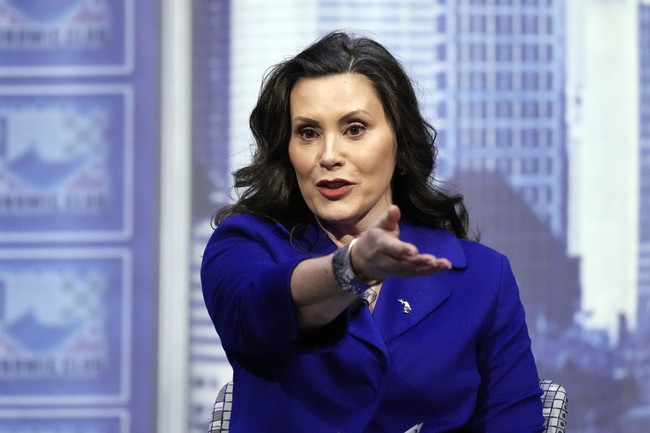
The scramble to replace Governor Gretchen Whitmer in Michigan is heating up, with fundraising numbers, crowded fields, an independent bid that could scramble the map, and a primary calendar that will test both parties’ turnout and discipline in 2026.
The Scramble to Replace Whitmer Is Heating Up in Michigan
The race to replace Michigan Governor Gretchen Whitmer is already drawing attention and dollars from both parties, and the calendar is starting to sharpen focus on who can win in November 2026. Primary season comes fast, and candidates are staking early claims with fundraising, messaging, and endorsements that will matter in August. With autumn and the general election looming, strategy now trumps speculation for anyone serious about the governorship.
On the Democratic side, incumbent party figures and experienced officials are consolidating advantage thanks to early financial leads and organizational heft. Jocelyn Benson has posted the largest fundraising totals among Democratic contenders through the last reporting period. That financial edge means campaign infrastructure and paid outreach this spring and summer, which are essential in a state with diverse regions and changing turnout dynamics.
Democrat Jocelyn Benson raised the most money of the candidates running to be Michigan’s next governor over the final two months of 2025, while Republican Mike Cox had the most cash still available to spend, according to disclosures that were due Monday.
The new reports detailed fundraising from Oct. 21 through Dec. 31 and showed an evolving race for Michigan’s top political office, with some candidates building financial stockpiles, a sign of strength, and others now spending more money than they’re bringing in, a potential signal of weakness.
Benson’s primary opponent, Genesee County Sheriff Chris Swanson, shows the kind of stamina local officeholders bring but also the uphill nature of statewide contests. Campaigns at the state level demand sustained fundraising and reach beyond local base zones, and Swanson’s recent spending outpacing receipts illustrates how quickly resources can be consumed. Supporters remain enthusiastic, but enthusiasm must translate into durable fundraising and turnout to be competitive.
Benson’s lone primary opponent, Genesee County Sheriff Chris Swanson of Fenton, raised $87,412 and spent $202,227 — double what he brought in — during the reporting period.
The Republican field is crowded, with multiple contenders hoping to unify conservative voters and present a coherent alternative to the Democrats. Former Attorney General Mike Cox reports the largest total raised, though much of that total is a personal loan to his own campaign. That kind of self-funding buys visibility but also raises questions about grassroots strength and whether outside donors and local parties will coalesce around a single nominee.
Congressman John James has opted out of reelection to the U.S. House to run for governor, signaling a serious bid that relies on name recognition and existing donor networks. James reported strong receipts and cash on hand at the start of 2026, demonstrating early fundraising muscle that could translate into TV, digital ads, and field operations across key Michigan counties. But a multi-candidate GOP primary can sap momentum and force a nominee to rebuild unity ahead of November.
U.S. Rep. John James of Shelby Township reported raising the most among the Republican contenders in the new disclosures: $838,505. The James campaign spent $661,297 and had $2.4 million on hand to start 2026.
Other Republican names in the mix include Aric Nesbitt and Tom Leonard, both with state legislative pedigrees and familiarity with Michigan voters. The roster also includes pastor Ralph Rebandt, conservative activist Karla Wagner, and businessman Perry Johnson, who is trying again for the GOP nod. With so many contenders, the party faces the classic choice between ideological clarity and electability calculations as the summer approaches.
Perhaps the biggest variable is the independent candidacy of former Detroit Mayor Mike Duggan, who could reshape the general election if he sustains meaningful support. Duggan’s tenure as Detroit mayor gives him urban credibility and name recognition, and recent polls show him drawing near 20 percent of the vote in some scenarios. That kind of vote share could siphon support from either major party depending on how the campaign unfolds and how voters perceive the field once the primary winners are set.
Polling to date shows a narrow margin between Benson and James in some surveys, but the presence of Duggan complicates the arithmetic and forces campaigns to plan for multiple closure strategies. Michigan is not a solidly red or blue state; it is competitive and responsive to turnout advantages, regional appeals, and messaging that connects with working-class and suburban voters. That makes 2026 a real test of which party can translate early money and organization into votes on Election Day.
The months ahead will reveal who can build the broad coalitions necessary to win a statewide race in Michigan. Fundraising reports, primary battles, and any independent shakeups will be decisive variables, and both parties need disciplined plans to navigate them. Expect a lot of real campaigning, not just commentary, as candidates take this race from speculation into full-on competition.
Is this all for show because its way past a day late and a dollar short to dump that Witch Lunatic Derelict Goon!
GOP is just part of the Uni-party liars and con-artists!