
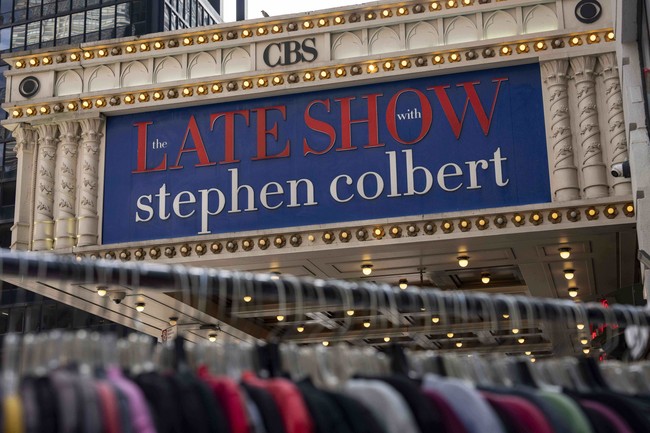
The controversy over Stephen Colbert, the FCC, censorship claims, and broadcasting standards has exploded into hot takes and misinformation; this article cuts through the noise, explains the Equal Time rule, reviews what actually happened with the James Talarico interview, and points out where media narratives have gone off the rails.
This week’s flap about Rep. James Talarico’s pulled appearance on “The Late Show With Stephen Colbert” ballooned into accusations of censorship aimed at the Trump administration and the FCC. Emotions ran high, with headlines claiming federal coercion before the facts were laid out. A sober look at the timeline and the statute clears up a lot of mistaken assumptions.
The immediate fact is simple: CBS’s legal team advised the show that airing the interview might trigger the FCC Equal Time rule, and the production chose to post the segment online instead of risking mandatory equal access for other candidates. The network statement spelled out the decision and options offered. “THE LATE SHOW was not prohibited by CBS from broadcasting the interview with Rep. James Talarico. The show was provided legal guidance that the broadcast could trigger the FCC equal-time rule for two other candidates, including Rep. Jasmine Crockett, and presented options for how the equal time for other candidates could be fulfilled. THE LATE SHOW decided to present the interview through its YouTube channel with on-air promotion on the broadcast rather than potentially providing the equal-time options.”
Nowhere in the public record is there an FCC directive ordering CBS to pull the interview. That matters. If the agency had compelled network action, you would expect a paper trail or a statement. Instead, the sequence points to CBS lawyers flagging a potential compliance issue and producers making a risk-avoidance call. The consequence was internal, not an act of federal suppression.
The broader context includes a January letter from FCC Chairman Brendan Carr warning networks about equal-time exposures during election seasons. That letter raised awareness among broadcasters that routine appearances by candidates on entertainment shows might trigger the statute. But awareness is not enforcement, and the Equal Time rule operates through candidate petitions, not preemptive takedowns.
Put plainly, Equal Time is designed to expand access, not limit it. When a candidate appears on a licensed broadcast station, competing candidates have the right to request similar exposure within a specified window. The rule applies to licensed broadcasters using public airwaves; cable and streaming are not covered in the same way. Applying the rule here would have opened a route for more Democratic primary challengers to demand on-air time, not silenced them.
The legal mechanics are straightforward: an appearance by a candidate can trigger a seven-day window during which a rival can demand comparable time. Only after the appearance, after that request is filed, and after a refusal would there be an actionable FCC matter. In the Talarico case none of those sequential steps happened because the interview was not broadcast on the licensed airwaves.
Some commentators tried to equate this with the old Fairness Doctrine and made claims about editorial coercion. That’s a category error. The Fairness Doctrine sought broad content regulation across radio; Equal Time is a narrowly drawn statutory remedy aimed at candidates and tied to elections. Supreme Court precedent recognizes that the public nature of the airwaves justifies narrowly tailored obligations to ensure candidate access.
Others leapt to political conclusions, suggesting President Trump or FCC officials were scheming to control late-night hosts. That narrative collapses under the facts. The sequence here was internal counsel advising about a potential statutory consequence and producers electing the safer path of web-only distribution. There is no evidence showing FCC threats or behind-the-scenes orders to CBS.
It also bears noting the partisan mismatch in late-night guest lists over many years; if networks were trying to protect Republicans from exposure, the pattern would look different. The Equal Time rule would have benefited Democrats in this instance since Talarico is running in the Democratic primary in Texas. The idea that the rule was weaponized to help Republicans in this case doesn’t line up with the facts.
Media experts and anchors piled on with confident takes that missed how the statute actually functions and the procedural triggers it requires. Public uproar too often substitutes for legal analysis, and the result is a distorted narrative that frames routine compliance advice as sinister suppression. Risk-averse producers made an internal editorial choice; that’s not a federal clampdown.
If the industry wants to avoid this recurring confusion, networks could clarify how they handle candidate appearances and the contingencies for equal-time claims. Until then, expect more breathless headlines that read like outrage theater rather than statutory explanation. What happened with Colbert and Talarico was a cautionary production choice driven by legal prudence, not an act of censorship from Washington.
The key takeaway for viewers and reporters is to separate procedure from projection: legal guidance plus a private production decision is not the same thing as federal suppression, and Equal Time rules exist to preserve opportunity for competing candidates, not to silence them.
Public debate should be about transparency and how broadcasters handle compliance risks, not about assigning authoritarian motives without documentary proof. The facts here require a little humility from those who rushed to declare a conspiracy.


Typical, and never expect less from these people when they have a chance to lie! It is extremely common among that political party!