
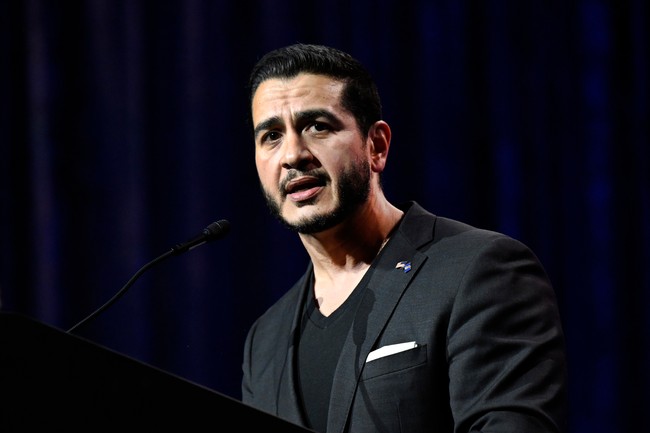
The Michigan Democratic Senate primary delivered a surprise: Abdul El-Sayed edged out the establishment pick in a close race, setting up a fall contest against Trump-backed former Rep. Mike Rogers and signaling a shifting balance inside the Democratic Party as the 2026 midterms approach.
Voters in Michigan handed a narrow but decisive win to Abdul El-Sayed in the Democratic Senate primary, according to projections from Decision Desk HQ. That outcome upends the establishment’s hope of advancing Rep. Haley Stevens and hands the nomination to a candidate with strong backing from progressive groups.
The result matters because it marks a rare statewide triumph for a candidate tied to the Democratic Socialists of America in a competitive purple state. Political observers are watching closely to see whether that kind of insurgent energy can translate into a general election victory in a state that can swing either way.
El-Sayed’s win comes as part of a broader trend: several DSA-backed House contenders have scored primary victories in recent weeks in places like Colorado and New York. Those House wins suggest an organized, disciplined effort to push leftward inside the Democratic coalition and place challengers into winnable districts for 2026.
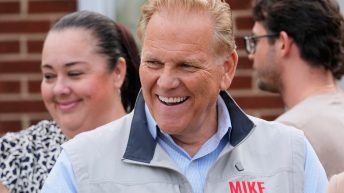
The primary here was unusually tight, and despite the small margin, the projection is clear: El-Sayed will face former Rep. Mike Rogers, who carries former President Trump’s backing, in November. Polling ahead of a hypothetical matchup had already shown Rogers with an edge, making the general election a must-watch for Republicans and Democrats alike.
https://x.com/DecisionDeskHQ/status/2084981832974545390
The stakes are high for both sides. For Democrats, a nominee seen as anti-establishment and aligned with hard-left positions presents a risk in a swing state, especially when national narratives about extremism and electability dominate campaign messaging. For Republicans, the race offers an opportunity to frame contrasts sharply and reclaim a seat held by retiring Democrat Sen. Gary Peters.
Campaign dynamics now shift from primary battles to general election strategy, where turnout and persuasion will decide the outcome. Expect Republicans to emphasize pragmatic themes—security, the economy, law and order—while painting El-Sayed as outside the mainstream. Democrats, meanwhile, will have to reconcile party unity with a nominee who energized a niche but potent base.
Analysts point out that insurgent primary victories can be double-edged: they bring fresh energy and volunteers but risk alienating moderate voters in the fall. Michigan’s electorate is diverse and pragmatic, and general election campaigns will hinge on messages that appeal beyond the primary base. That tension often determines who wins statewide races in closely divided states.
Local and national groups will now pour resources into Michigan, seeing the seat as winnable or flippable depending on how campaigns are run. Fundraising, ad buying, and ground operations will ramp up quickly, and outside groups may treat this contest as a bellwether for how effective DSA-backed campaigns can be in competitive terrain.
Republicans view the matchup as favorable: a Trump-aligned former congressman facing a candidate identified with progressive activism gives them a clear contrast to exploit. The fall campaign will be intensely focused on messaging and turnout, with both parties testing whether ideological purity or broader appeal better motivates Michigan voters.
Media coverage will also shape perceptions. Stories highlighting the DSA connection and El-Sayed’s past statements will be amplified by critics, while supporters will argue that he represents a growing, energized segment of the party eager to tackle systemic problems. The coming weeks will reveal which narrative resonates more with the electorate.
Expect debates, rapid-response messaging, and targeted outreach to key suburban and exurban blocs that decided recent swing-state contests. Michigan’s political map demands attention to county-level shifts, and campaigns that ignore those details risk surprises on Election Day.
Campaign strategists on both sides will watch fundraising numbers, volunteer sign-ups, and early voting trends as the first real signals of which way the race is leaning. This contest will serve as a test case for national parties on whether insurgent nominees can carry their states in close, high-stakes general elections.
Election watchers should brace for a high-intensity fall battle that could send signals beyond Michigan about the strength of grassroots activism versus established party machines. The result will matter not just for a single Senate seat but for broader narratives about how each party adapts heading into future cycles.
Editor’s Note: The 2026 Midterms will determine the fate of President Trump’s America First agenda. Republicans must maintain control of both chambers of Congress.

Add comment