
The Department of Homeland Security reports that Immigration and Customs Enforcement has arrested more than 10,000 alleged gang members since President Trump returned to the White House, and that milestone comes alongside a sustained drop in illegal border crossings and a sharp increase in drug seizures. This article reviews the notable arrests, explains how changes in border management freed up resources for interior enforcement, and outlines the broader law enforcement gains being touted by the administration.
ICE announced its 10,000th arrest as Javier Hernandez Rosas, described as an alleged MS-13 member from Mexico with a prior cocaine possession conviction and earlier arrests for abduction and weapons possession. The DHS list also includes individuals wanted in their home countries for serious crimes such as murder, extortion, racketeering, and large-scale drug trafficking. These are not low-level offenders; the agency presented a roll call of accused criminals whose alleged histories are grave and longstanding.
Border Patrol data cited by DHS show more than a year without mass interior releases of people apprehended at the southwest border, a dramatic reversal from the previous administration’s era. In May, agents recorded 9,998 apprehensions, a figure the department says is 94 percent below the monthly average under the prior administration. During the peak surge in December 2023, Border Patrol was processing nearly that many illegal crossings in a single day.
https://x.com/SecMullinDHS/status/2069920896236552223
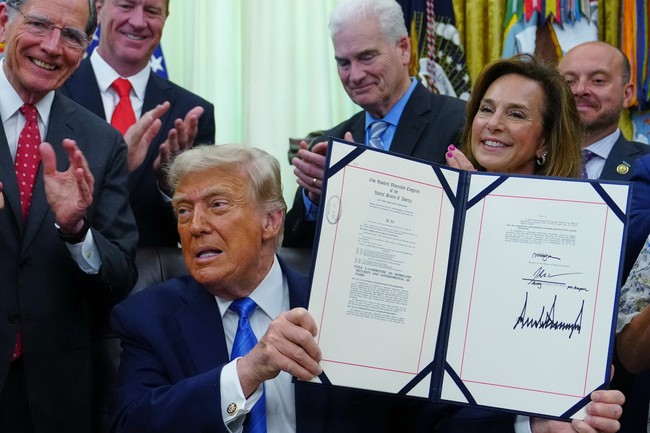
The DHS narrative stresses that the reduced flow at the border allowed immigration and enforcement officers to shift gears from processing large numbers of new arrivals to finding and apprehending dangerous people already inside the country. That change in operational posture is credited with enabling interior enforcement teams to focus on gangs like MS-13 and Tren de Aragua, and on other foreign fugitives and violent offenders. Congress’s recently approved Secure America Act is expected to broaden those interior enforcement capabilities further.
Several individual cases cited by the department read like a public-safety dossier. Josue Saul Garcia-Lopez is wanted in El Salvador on robbery and extortion charges, while Danny Granados-Garcia faces allegations in El Salvador for the murder of a pastor. David Antonio Aviles Perez is wanted for aggravated murder and has prior arrests in California for assault with a deadly weapon, controlled substance possession, and petty theft. Edwin Antonio Hernandez Hernandez allegedly confessed to five murders in El Salvador before entering the United States.
One arrest the administration highlighted involves Cristhian Ortega-Lopez, identified as an alleged Tren de Aragua member who was found living on property tied to a former New Mexico judge. Ortega-Lopez later pleaded guilty to federal firearms and conspiracy to destroy evidence charges, and the case included separate prosecutions for evidence tampering tied to other individuals. The administration uses that episode to illustrate the kind of offenders it says it can now prioritize and remove through targeted interior operations.
DHS also reported a notable uptick in narcotics interdictions. Nationwide drug seizures in May increased 32 percent compared with the same month last year, and fentanyl seizures jumped 72 percent from April. Overall, drug seizures for the fiscal year are substantially ahead of last year’s pace, a trend officials attribute to a combination of improved border control and redirected enforcement resources. CBP and ICE leaders have pointed to these numbers as evidence their strategy is producing real results.
“This milestone, coupled with historically low illegal crossings, demonstrates our unwavering commitment to securing our nation. Our robust enforcement policies are working, and we are delivering unprecedented results in border security, drug interdiction, and trade enforcement.”
The administration has also reported nearly 900,000 removals since the president’s inauguration, a figure officials present as part of the broader enforcement record. Republican policymakers argue those removals and the interior arrests together prove an earlier claim: strict enforcement and prioritized interior operations can reduce illegal inflows and make communities safer. That position rejects the past claims that mass releases were unavoidable and frames the current data as vindication of a different approach.
The rhetoric is blunt because the stakes are high: the list of alleged offenders pulled from communities includes people accused of murder, cartel ties, and organized criminal activity who, critics say, were previously released and left to reoffend. Proponents of the current policy emphasize that allowing ICE to pursue interior cases, combined with reduced border pressure, has exposed and removed dangerous actors who were not hard to find once resources were available to locate them.
For now, the department is promoting these enforcement milestones as a package—fewer illegal crossings, more deportations, and thousands of alleged gang members arrested inside the country. That narrative underpins a political argument that tougher border and interior enforcement are effective tools for restoring public safety and enforcing immigration laws. The next moves in policy and budget decisions will determine how far those gains can be extended and sustained.



Add comment