
The recent reporting around an alleged Iran drone threat to California exposed sloppy sourcing and selective editing at a major network, raising real concerns about how press leaks can shape public fear and policy debates. This piece walks through what was reported, what the FBI actually released, the public pushback from the White House press team, and why the media needs to be clearer about unverified warnings and their provenance. The debate centers on whether ABC accurately represented the FBI alert and whether it omitted crucial context that would have tempered alarm. Readers deserve reporting that distinguishes raw tips from confirmed intelligence, especially when national security and public calm are at stake.
The original coverage claimed the FBI warned that Iran could retaliate against U.S. and Israeli strikes by launching drones at the West Coast. That headline grabbed attention and forced officials to respond. But the document the FBI circulated explicitly labeled the information as “unverified,” and that qualifier matters a lot in how a story should be framed.
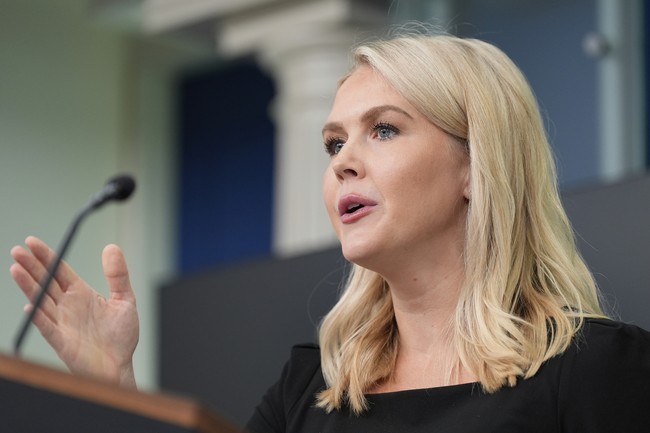
White House Press Secretary Karoline Leavitt publicly challenged the network for leaving out the “unverified” label and urged a retraction. Her point was blunt and direct: the email was about a single, unverified tip, not a confirmed plot. She wrote, “This post and story should be immediately retracted by ABC News for providing false information to intentionally alarm the American people.”
FBI Assistant Director for Public Affairs Ben Williamson also highlighted the difference between what was originally shared and how it was reported, noting the alert contained the “unverified” disclaimer. The discrepancy between the alert text and the story’s headline intensified criticism that the network amplified an unconfirmed claim.
The network later responded with language that called the FBI’s later post a “fuller version of the alert,” implying additional substance had been released. That phrasing is misleading because the FBI merely posted what the original alert had already included, namely the “unverified” caveat. Framing a reposting of the original email as “fuller” suggests new confirmation where none existed.
ABC’s updated wording quoted the alert like this: “LATEST: The FBI warned police departments in California that Iran could retaliate for American attacks by launching drones at the West Coast, according to an alert reviewed by ABC News on Wednesday. On Thursday, the FBI posted a fuller version of the alert, which said the information was unverified.” That paragraph, lifted into their feed, became the piece the public consumed, but it still left the impression of verified danger.
Why would a major newsroom drop the critical word that converts a rumor into a rumor? There are a few plausible explanations, but none are flattering. Either the network edited the leaked material to heighten drama, or they were given a redacted/partial version that made the tip look firmer than it was. Both scenarios point to poor editorial controls and an overreliance on unnamed sources.
Leavitt pressed the issue further, emphasizing that the email “even states the tip was based on *unverified* intelligence.” She concluded her rebuke decisively: “TO BE CLEAR: No such threat from Iran to our homeland exists, and it never did.” That kind of categorical denial from the administration highlights the real-world consequences of misreporting on national security rumors.
ABC did note in a later update that there “is no imminent threat here” and repeated that U.S. and allied actions had degraded Iran’s capabilities. Still, noting the lack of immediacy after pushing an alarming headline is damage control, not responsible sourcing. Once panic is seeded, clarifying statements do little to reverse the public impression left by an initial dramatic claim.
Reporters and editors should apply standard skepticism to single-source tips, especially when those tips are circulated outside secure intelligence channels. Labeling is not a minor editorial detail; it guides how readers assess risk and how officials react. If a warning is unverified, that needs to be prominent, not buried or omitted for click appeal.
The public benefits when journalists distinguish between raw hearsay and corroborated intelligence, and when outlets disclose how they obtained sensitive material. The Iran drone episode is a reminder that the mechanics of modern news—leaks, rushed headlines, and social amplification—can create false crises. Media outlets owe their audience a higher bar when covering potential threats to the homeland.
Accountability matters here: newsroom practices, source transparency, and editorial judgment all deserve scrutiny. Voters and officials alike should demand that outlets stop amplifying unverified tips as imminent dangers. Restoring that discipline would protect public trust and prevent needless alarm the next time a sketchy alert circulates.


Add comment