
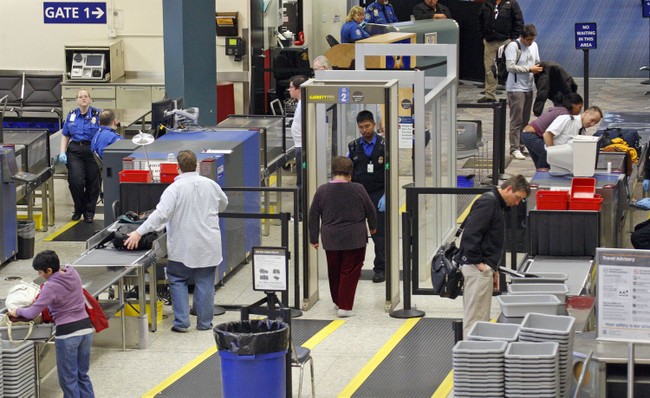
The White House says Democrats are responsible for a Department of Homeland Security funding standoff that has left Transportation Security Administration employees unpaid and travelers facing long lines, while national security concerns and spring break travel add urgency to a resolution.
The current DHS funding fight has real impacts at airports and beyond. For the third time in six months, TSA workers have been left without pay, and the White House highlights as many as 100000 workers affected when funding stalls. Officials argue this is not just a labor issue but a public-safety concern that touches FEMA, the U.S. Coast Guard, and emergency response capabilities across the country.
Democrats demanded policy changes tied to DHS funding after a deadly incident in Minneapolis during ICE operations, pressing for measures like prohibiting ICE agents from wearing masks, requiring body cameras, and obtaining warrants before entering homes. Those demands prompted a walkaway from bipartisan negotiations that federal leaders say were otherwise within reach. The White House framed the choice as putting illegal aliens over public safety, a stance that has led to bitter rhetoric in Washington.
Travelers are feeling the consequences right now. At Hobby Airport in Houston, one passenger said, “There’s been a lot of frustration. A lot of people are very upset.” In New Orleans, another traveler described packed terminals and confused crowds: “This is ridiculous. This is crazy. We get here, we go through Customs — and it’s so packed in here, you can’t even find the direction they’re trying to give.” These firsthand accounts are being used to underscore the urgency of restoring DHS funding.
A major hub like Hartsfield-Jackson in Atlanta is seeing ground delays tied to long screening lines, and a passenger there said, “It’s the longest I’ve ever seen it. I’ve flown into Atlanta several times, and this is by far the longest I’ve ever seen it in my life.” TSA agents are frustrated too, with one Phoenix agent bluntly stating, “We’re fed up. We’ve had enough. This is the third shutdown in a matter of six months.” That sentiment has hardened morale among front-line personnel who are still expected to work without pay.
The timing of the funding dispute raises more than inconvenience concerns. Intelligence reports indicate intercepted encrypted communications, possibly linked to Iran, that could signal activity from sleeper assets abroad. Combined with the seasonal surge of college students traveling for spring break, the administration says heightened vigilance is essential at airports and ports of entry during this period.
White House messaging explicitly blames Democratic negotiators for abandoning a bipartisan deal and for creating a situation that forces essential workers to serve without pay. Officials point out that a lapse in DHS funding does not just slow airport lines; it jeopardizes rapid response for disasters, border security missions, and maritime safety. The argument is clear: operational readiness across multiple agencies depends on stable funding.
The exit of now-former Homeland Security Secretary Kristi Noem was widely discussed as a potential catalyst to reshape talks, and Senate Majority Leader John Thune (R-SD) called it a “major step” that should “move negotiations closer to a deal.” Republicans are urging a return to negotiated compromise, arguing that continued brinkmanship will only deepen the impact on travelers and security personnel. For now, legislative stalemate keeps pressure on both sides as airports remain strained.
Beyond the politics, the human toll is obvious at checkpoints and ticket counters. Long lines translate into missed flights, delayed itineraries, and extra strain on a workforce already stretched thin. The White House has amplified traveler stories to spotlight the practical fallout of the impasse and to make a case for urgent congressional action to restore funding and normal operations.
The DHS funding question also highlights a broader debate about how policy priorities intersect with national security. Lawmakers are weighing enforcement reforms and civil liberties concerns against immediate operational needs at the border and in domestic security. Those choices have practical consequences for emergency response, maritime operations, and routine screening that affects millions of Americans and visitors every year.
Until negotiations move forward, passengers will keep encountering longer lines and employees will continue doing essential work under financial strain. The situation is a reminder that funding fights in Washington can quickly ripple into day-to-day life across the country, affecting safety, mobility, and confidence in government operations.



The Demoncrap party don’t give a rat’s ass about the safety and well-being of the American Citizenry or this United States of America a Constitutional Republic under God! They’ve been getting away far too long playing their political theater games and moves to seize total power control of the country for decades now and they need to be charged with such Sedition and Insurrection, so they can be properly dealt with at GITMO!
You fools that vote for any of them are being so played like stupid lemmings!