
Checklist: I will explain the dispute over the Federal Reserve renovation, restate President Trump’s criticisms and legal threat, outline the limits of presidential power over the Fed, include Trump’s quoted remarks verbatim, and keep the piece punchy and grounded in facts.
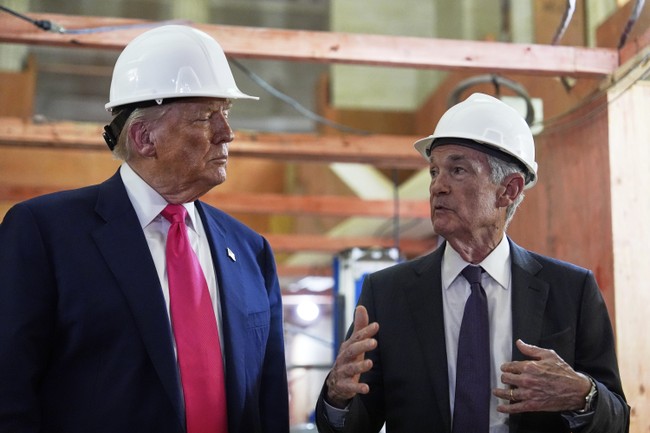
President Donald Trump has zeroed in on the Federal Reserve’s renovation project, calling out delays and runaway costs and threatening legal action. The issue landed in the spotlight after Trump publicly criticized Fed Chair Jerome Powell and described the renovation as evidence of mismanagement. This story combines construction frustration with a broader political spat about economic stewardship and accountability.
Trump’s critique leans on his background in development and management, and he’s using that experience to frame the Fed project as emblematic of broader incompetence. He has repeatedly contrasted the Fed’s work with projects he says were on time and under budget during his administration. That comparison is political theater, but it also channels voter anger about wasteful spending and bureaucratic slippage.
Here are Trump’s central assertions about the renovation, presented exactly as he said them: “President Donald Trump on Monday launched a renewed attack on Federal Reserve Chair Jerome Powell, accusing Powell of ‘gross incompetence’ and threatening to sue him over the costly renovation of the central bank’s headquarters. Trump spoke at a Mar-a-Lago press conference alongside Israeli Prime Minister Benjamin Netanyahu and slammed Fed Chair Powell as a ‘fool.’ Powell, who was appointed as Fed chair by Trump in 2017 and was reappointed by then-President Joe Biden in 2021, will see his term as chair expire in May.”
He also framed the renovation in blunt economic terms, saying the project will far exceed reasonable costs and calling the price per square foot unprecedented. Trump emphasized his track record on federal construction and used the example to imply that private-sector management and accountability produce better outcomes. That messaging fits a long-standing Republican stance favoring competition and scrutiny when public projects go off the rails.
Trump offered a pointed take that ties monetary policy to political outcomes: “‘Too late’ Powell, ‘too late,’ because he’s always too late with interest rates, except before the election, it was too early because that was supposed to help her get elected. It had no impact, we won all seven swing states,” Trump said. Those lines mix policy criticism with the kind of election-focused rhetoric Trump often uses to explain perceived economic slights.
On the legal front, Trump doubled down: “We’re thinking of bringing a suit against Powell for incompetence, because think of it, these are two – these aren’t outstanding buildings, these are small buildings. It’s going to end up costing more than $4 billion, $4 billion. It’s the highest price of construction, again Democrats, highest price of construction per square foot in the history of the world,” Trump claimed. That threat is dramatic, but it collides with the legal reality around the Fed’s independence.
Under the Federal Reserve Act, a president cannot simply dismiss a Fed chair except “for cause,” so the practical leverage for any administration is limited. Powell’s term as chair runs until May 2026, and his seat on the Board of Governors extends beyond that unless he steps down. Lawsuits over managerial failings at independent agencies are rare and face significant legal hurdles, especially when the subject is construction contracts and internal procurement.
Still, the politics matter. For Republicans and conservatives who distrust big government, a high-profile fight over cost overruns is a natural rallying point. Trump’s approach blends performance critique with an outsider’s frustration at bureaucratic inertia, and that message lands with voters who see waste, no matter the institution involved.
There’s also strategy in making the dispute public. Raising the renovation issue keeps attention on federal spending and on how unelected officials exercise power. It forces defenders of the Fed to explain not just monetary policy decisions but administrative choices that are usually invisible to most Americans. That shift from technocratic debate to public accountability is deliberate.
Whether the president pursues a lawsuit or simply uses the threat as leverage, the episode underscores a broader Republican argument: institutions need transparency, strict budgeting, and real consequences for mismanagement. If the renovation’s costs and timeline remain murky, that argument will keep resonating with a base that rewards tough talk and demands oversight.



Add comment