
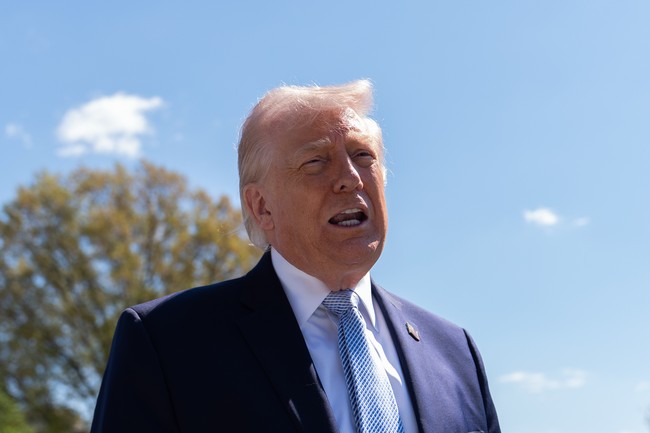
This article reports on President Trump’s recent public remarks about how close the United States came to striking Iran, the diplomatic calls that delayed action, and his rationale for taking decisive steps to prevent Iranian nuclear capability. It uses the president’s own words from the presser, describes the strategic stakes in the Gulf, and reflects a conservative view that such choices must be made by a commander in chief, not by popularity polls.
The scene was an informal press appearance outside the White House while construction continued on the new ballroom, and the president spoke bluntly about a situation that nearly became kinetic. His message was clear: the U.S. prepared to act, and it was Allied pressure that bought time. That admission, and his explanation for why he felt compelled to move, matter when the survival of cities and allies is on the line.
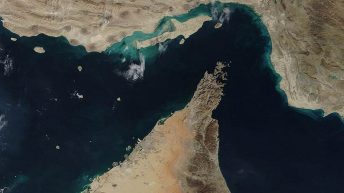
President Trump said the military preparations were already in place and, by his account, the window for action had closed only because partner nations asked for a delay. The idea that the Gulf states asked for a pause demonstrates the regional balance between escalation and keeping commerce flowing through strategic choke points. For leaders who prioritize American safety and economic stability, that kind of urgent diplomacy is part of the picture.
First, on the :
The president said:
Reporter: How close were you to striking Iran?
President Trump: I was an hour away. We were all set to go. You’re talking about yesterday.
Reporter: Yes.
President Trump: We were going to be striking very… I would have been happening right now. It was all done. The boats, the ships, they were all loaded, they were loaded to the brim, and we were all set to start.
There were unmistakable signs leading up to this moment: rhetoric hardened, threats escalated, and Iran pushed for concessions the U.S. would never accept. From a national security standpoint, the administration framed the choice as preventing Iran from gaining a nuclear edge that would threaten cities and allies. That framing appeals to voters and policymakers who put deterrence and clear consequences ahead of appeasement.
Next, President Trump indicated an:
Here’s what was said:
President Trump: I’m not doing this politically. Look, everyone tells me it’s unpopular, but I think it’s very popular. When you hear, when they hear that it’s having to do with nuclear weapons, weapons that could take out Los Angeles, could take out major cities, very quick, when they hear that, you… when they’re explained… You know, I’ll tell you what, when we explain it to people, I don’t know if we have enough time to explain to people. Too busy getting it done. When they understand, I think it’s frankly very popular, but whether it’s popular or not popular, I have to do it. Because I’m not going to let the world be blown up on my watch. It’s not going to happen.
His tone emphasized responsibility over poll numbers, insisting the president’s job is to prevent catastrophic outcomes regardless of whether an action scores well in headlines. That stance sits well with conservatives who believe strength and resolve deter adversaries. It also draws a sharp distinction between leaders who govern for applause and leaders who govern for security.
Finally, an update on :
Reporter: How long did they know you were planning this?
President Trump: They knew I was getting ready to attack. I didn’t tell them. I never tell anybody when.
Reporter: You’re in constant contact, though?
President Trump: I never tell anybody when. But they knew that we were very close. I would say we were… I was an hour away from making the decision to go today. And we would probably not be talking about a beautiful ballroom today, we’d be talking about that. And, we, uh, I had made the decision. So they called up, they had heard I had made the decision, and said, “Sir, could you give us a couple more days,” because we think they’re being reasonable.
Reporter: (Shouted, inaudible question)
President Trump: Well, I’m saying two or three days, maybe Friday, Saturday, Sunday, maybe early next week. A limited period of time. Because we can’t let them have a nuclear weapon. If they had a nuclear weapon, they would start with Israel. They would blow it up. And they would blow it up fast. They’d blow it up, and I’ll tell you what, they’d go after Saudi Arabia, they’d go after Kuwait, they’d go after UAE, they’d go after Qatar, they’d go after… I think they’d go after the entire Middle East. And it would be a whole different negotiation. It would not be… It would be nuclear holocaust. And there’s no question in my mind that they’d use it. There’s no question. And I deal with these people. They’re extremely radicalized. These are not people like, when I deal with you. (Laughs.) You’re a very nice guy. These are people that are seriously radicalized. They would use it. The only question would be the first minute, the first hour, or the first day.
That passage underscores a core argument conservatives keep making: some regimes will use nuclear weapons if they get them, and deterrence must be absolute. The president painted a stark picture of Iranian intent and capability, and he insisted the United States must act before a small window becomes a permanent, existential threat. Those are the terms many voters want their leaders to operate under.
The diplomatic calls from Gulf partners show the region prefers stability and an uninterrupted flow of energy to the world market. Saudi Arabia, Qatar, the UAE, and others have reasons to avoid immediate conflict even when they share Washington’s concerns. The delayed action the president described bought breathing room, and it also exposed how tightly coupled diplomacy and military preparedness must be in crisis moments.
What remains clear is that decisions about striking another country sit with the commander in chief, who must weigh risk, timing, and the lives at stake. The president presented his choices as a direct exercise of that responsibility, one made with the worst possible outcomes in mind and with the stated goal of preventing them. For those who prioritize security, that clarity of purpose is exactly what they expect from their leader.
Add comment