
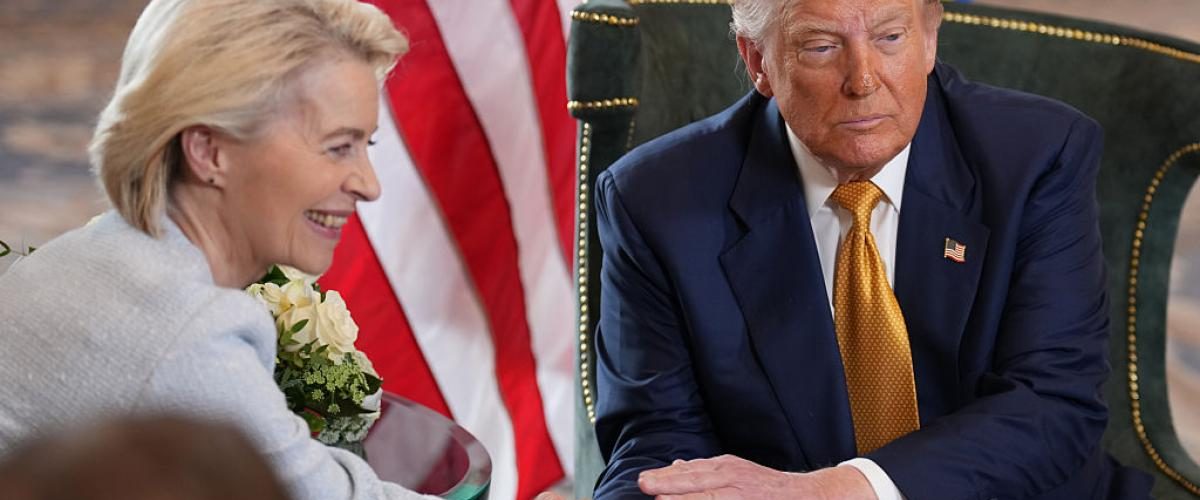
resident Donald Trump’s aggressive trade tactics have made waves globally, securing trade agreements with major players like the European Union and Japan. These deals, reached within the first half of his second term, represent a significant shift in the global trade landscape. Trump’s strategy of intertwining trade with security has compelled these allies to make concessions, demonstrating the efficacy of his robust negotiation style.
Both Japan and the EU have agreed to a 15% tariff on imports to the U.S. and have committed to investing in the American economy. These concessions came with limited reciprocation from the United States, highlighting Trump’s leverage. This approach has been praised by some as a masterstroke in reshaping traditional trade alliances.
Walter Russell Mead, an expert from the University of Florida, noted that Trump’s success lies in his ability to merge trade with security concerns. Previous administrations treated these areas separately, but Trump saw the advantage of combining them. He believed that the U.S. market and its security guarantees were so valuable that allies would agree to terms that previous presidents couldn’t secure.
Initially, Trump’s tariff hikes were met with resistance from European leaders, who viewed them as an attack on free trade. They even planned retaliatory tariffs in response. Simultaneously, Trump demanded that NATO allies increase their defense spending, a longstanding issue for the U.S.
For years, American presidents have urged NATO members to contribute more to defense spending. European nations initially balked at Trump’s demands, calling them unrealistic. However, Trump’s firm stance that the U.S. wouldn’t defend NATO members not meeting their commitments forced a change in attitude.
By June, European leaders agreed to increase defense spending, aligning with Trump’s expectations. This move was crucial in maintaining America’s commitment to NATO’s collective defense. Only Spain sought an exemption, citing domestic financial issues, but Trump made it clear that there would be repercussions in future trade deals.
Trump’s message to Spain was blunt: they would face tougher trade terms for their lack of defense spending. This stance illustrates how Trump has linked economic and military commitments. Despite some criticism from within the EU, leaders like Ursula von der Leyen acknowledged the trade agreement as beneficial for ensuring stability.
German Chancellor Friedrich Merz also supported the deal, noting its importance in maintaining core European interests. Trump’s dealings with Japan followed a similar pattern, questioning the fairness of their defense arrangement. He pointed out the financial disparity in the U.S.-Japan alliance and pushed for a more balanced trade relationship.
Despite initial difficulties, Japan agreed to lower tariffs and increase imports from the U.S. This agreement solidified economic ties and offered a sense of stability. Trump’s strategy has also led to deals with other allies, including the United Kingdom and South Korea.
However, not all countries have been as receptive to Trump’s terms. India and China remain challenging partners for the Trump administration. Trump has threatened high tariffs on India if it doesn’t open its market more to U.S. products.
Additionally, Trump has tied security objectives to trade talks with India, urging them to reduce energy imports from Russia. India’s reliance on Russian energy is significant, as it is a major export market for Russian oil. As these negotiations continue, Trump’s disruptive approach to trade remains a defining feature of his presidency.
Add comment