
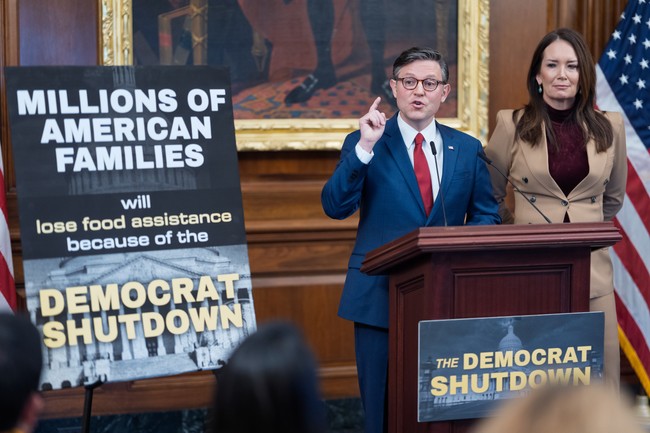
The Schumer Shutdown has dragged into its 37th day, and signs of movement are finally appearing as lawmakers hedge around a possible deal to reopen the federal government. This piece walks through what’s changed, why aviation and benefits matter, where the real blockage sits, and how both parties are posturing now that elections are behind us.
The shutdown feels like a manufactured drama with real costs. Flights, federal paychecks, and SNAP benefits are all on the line, and those are tangible pain points voters notice fast. Politicians inside the Capitol can argue over leverage, but families stuck at airports or federal workers missing paychecks are the ones who lose trust in government action.
Aviation is front and center because Thanksgiving travel is looming. Airlines and airports operate on tight windows and staffing cycles, and a prolonged federal lapse threatens cancellations and chaos. Lawmakers know how explosive that looks politically, so aviation has sharpened the incentives to make a move.
SNAP and emergency food benefits amplify the human impact of the shutdown. Cutting or delaying those benefits touches low-income Americans directly, and that fallout showed up in local political dynamics during recent races. When basic programs stop working, the voters who depend on them campaign with their feet and their ballots.
Republicans have argued all along there was an obvious path to end this: pass the no-changes continuing resolution the House approved and let the government operate. That option still exists but has been blocked in the Senate by Democrats. Framing the logjam as simple obstruction rather than complex negotiation is a blunt but accurate political case to make.
There’s a practical problem with the House CR even if the Senate relented: it only funds the government through November 21. That short-term fix would just reset the countdown and risk another shutdown right before the holidays. Republicans began pushing for a longer CR into late January so that ordinary operations could resume and Congress would have breathing room to negotiate true priorities.
“We’ve lost five weeks. So the November 21st, deadline no longer makes a lot of sense,” said Senate Majority Leader John Thune, R-S.D., noting the original bill’s impractical timeline. Getting to a lasting stopgap requires breaking a filibuster, which means Democrats have to sign on or relent, and that’s the political hinge point. Without that bipartisan cooperation, all the proposals are just paper exercises.
There’s a harder political question about motivation. Some Democrats visibly resisted a quick fix until after recent elections, and that timing raised eyebrows. The argument from the other side is straightforward: the shutdown may have helped turnout among government-heavy districts and those dependent on benefits. That kind of cynical calculus is ugly, but politics is ugly when operations and people are treated as leverage.
Either way, the dynamics shifted after the vote cycle. With election pressures eased, Democrats started signaling a willingness to negotiate, perhaps because the optics of travel and holiday disruption became too politically risky. Whether that change of tone reflects genuine compromise or simple damage control is an open question, but it matters for finding a resolution.
Republicans now press for a practical solution: a longer-term CR to restore pay and services while Congress bargains over longer-term spending. That approach puts governing ahead of leverage plays, which is a selling point to voters who want results rather than spectacle. The GOP case is that if Democrats truly want to end the shutdown, the mechanism is simple and the onus is on them to allow government to reopen.
The rhetoric from both sides will remain heated, and blame will be traded, but the clock and public inconvenience change incentives quickly. If flights start canceling and benefit interruptions spread, pressure on Senate Democrats to allow a cloture vote will grow. Political theater can persist, but practical pain often forces practical choices.
The most important point for voters is this: a shutdown is a political choice with direct consequences, and the responsibility for ending it sits with those who can break the procedural hold. Until that procedural barrier is removed, federal workers and service recipients will feel the cost while Washington plays chicken.


Add comment